ADVANCED ALUMINUM FOIL TECHNIQUES FOR ELITE CULINARY PROFESSIONALS
ADVANCED ALUMINUM FOIL TECHNIQUES FOR ELITE CULINARY PROFESSIONALS
TABLE OF CONTENTS
Decoding the shiny versus dull side dilemma Thermodynamic shielding in high-temperature environments
En papillote techniques for flavor encapsulation Precision resting and carryover cooking control
Understanding acidic and alkaline interactions Preventing galvanic corrosion in culinary storage
Optimizing roll dispensing and tear mechanics Repurposing and end-of-life lifecycle management
Improvised smoking packets and wood chip combustion Form-fitting molds and structural baking support
Beyond Basic Wrapping: The Science of Culinary Metallurgy
1. The Physics of Heat Transfer and Moisture Retention
Decoding the shiny versus dull side dilemma
The Manufacturing Origin: The difference in finish—one highly reflective (shiny) and one matte (dull)—is purely an artifact of the milling process. In the final rolling stage, two layers of foil are passed through the heavy rollers simultaneously to prevent the ultra-thin metal from breaking. The sides touching the highly polished steel rollers become shiny, while the sides facing each other develop a matte finish.Emissivity and Reflectivity Metrics: Scientifically, a highly polished aluminum surface has a reflectivity of about 88-90% to radiant heat, while the dull side reflects roughly 80%.Culinary Impact Assessment: In the context of a commercial convection oven or a standard baking environment, the primary mode of heat transfer is convection (hot air moving), not purely radiation. Therefore, the difference in cooking time or temperature regulation between placing the shiny side in versus the dull side out is statistically negligible—often resulting in less than a 1°C difference in internal food temperature.The True Best Practice: While thermal differences are minuscule, thephysical differences matter. Some modern foils feature a non-stick coating applied specifically to the dull side. Always place the food against the designated non-stick side, regardless of reflectivity, to preserve the structural integrity of delicate proteins like fish skin or pastry crusts.
Thermodynamic shielding in high-temperature environments
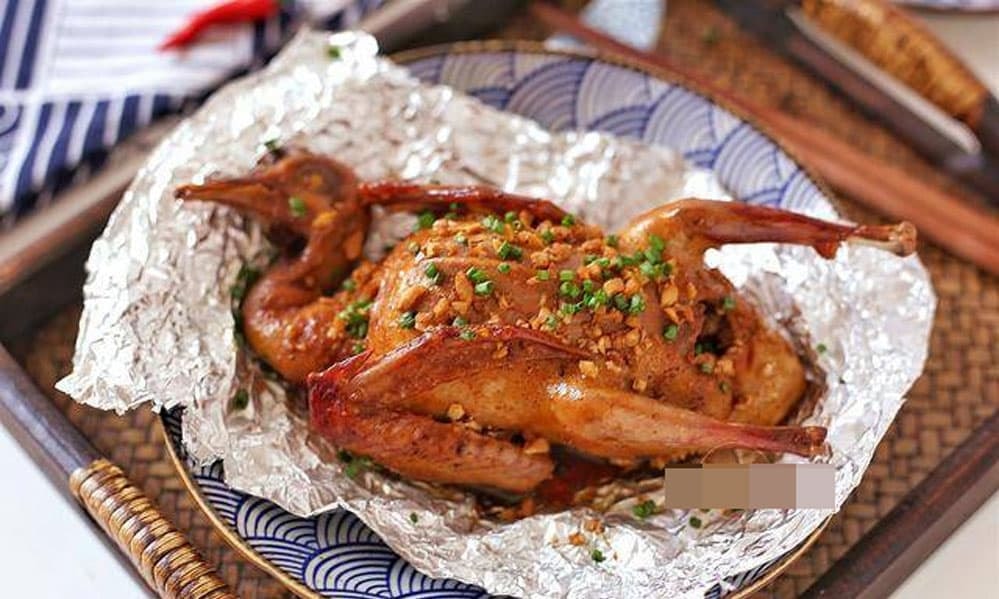
Aluminum foil acts as a critical thermodynamic shield, reflecting radiant energy while trapping essential moisture within the cooking environment.
2. Advanced Culinary Applications in Professional Kitchens
En papillote techniques for flavor encapsulation
The Architecture of the Pouch: Cut a sheet of heavy-duty foil large enough to comfortably fold over the ingredients with a 2-inch margin. The foil must be completely devoid of micro-tears.Strategic Layering: Construct the interior environment. Place moisture-rich aromatics (fennel, citrus slices, leeks) at the base. This ensures that as heat hits the bottom of the foil, the water in the vegetables vaporizes instantly, pushing steam upwards.Protein Placement and Lipid Addition: Lay delicate proteins (such as Halibut or Scallops) atop the aromatics. Crown with a compound butter or high-quality olive oil. The lipid will melt, mingling with the steam to create a natural, self-contained emulsion sauce.The Hermetic Seal: Fold the foil over and begin crimping the edges. This is the most critical step. Create tightly overlapping half-inch folds, pressing firmly. The goal is a hermetic seal—a miniature pressure cooker.Thermal Expansion: As the pouch enters a high-heat environment (200°C/400°F), the internal liquids rapidly turn to steam. Because the foil is structurally rigid yet flexible, the pouch will visibly inflate, expanding like a balloon. The trapped volatile organic compounds (aromas) are forced violently back into the cellular structure of the protein, resulting in unmatched flavor concentration.
Precision resting and carryover cooking control
Scenario A - Uncovered Resting: A 32oz Tomahawk steak is removed from a 260°C broiler and left on a wire rack at room temperature.Result: The exterior cools too rapidly, causing the surface fats to congeal prematurely. While the center rests, the outer crust loses its appealing texture, and the meat becomes tepid before reaching the dining room.Scenario B - Tightly Wrapped Resting (The Error): The same steak is instantly swaddled tightly in multiple layers of foil.Result: The foil traps 100% of the steam emanating from the crust. The intense radiant heat of the crust is trapped, acceleratingcarryover cooking . The steak intended to be medium-rare violently overcooks to medium-well, and the prized Maillard-reaction crust becomes soggy and unpalatable due to the condensed steam.Scenario C - The "Foil Tent" Methodology (The Master Standard): The steak is placed on a resting rack. A piece of foil is gently draped over the top, crimpedonly at the far edges of the pan, leaving the sides open for airflow.Result: The tent reflects radiant heat back down, keeping the ambient air around the steak warm. Simultaneously, the open sides allow excess steam to escape. Carryover cooking is controlled, raising the internal temperature by a gentle 3-4°C, while the crust remains perfectly crisp and the internal juices redistribute flawlessly.

Precision application dictates outcome: hermetic seals for en papillote, and ventilated tenting for optimal protein resting.
3. Material Reactions and Food Safety Protocols
Understanding acidic and alkaline interactions
Preventing galvanic corrosion in culinary storage
Branch 1: The Elements Required for Reaction Anode: The aluminum foil (a more active metal).Cathode: A stainless steel or cast-iron baking pan (a less active metal).Electrolyte: The food itself, particularly foods high in salt, moisture, and acid (e.g., Lasagna, heavily seasoned potato gratins, salted roasted meats).
Branch 2: The Chemical Mechanism When the foil touches the steel pan, and the wet, salty food touches both the foil and the pan, a literal microscopic battery is created. Electrons flow from the aluminum to the steel. The aluminum undergoes rapid localized oxidation.
Branch 3: The Culinary Consequences Visual Discoloration: The food surface touching the foil develops unappetizing black or dark grey spots.Structural Failure: "Pitting" occurs. Tiny, laser-like holes burn through the foil, rendering it useless as an airtight seal.
Branch 4: Operational Mitigation Strategies Physical Barriers: Lay a sheet of culinary parchment paper between the food and the aluminum foil.Alternative Storage: Transfer acidic/salty baked goods to non-conductive polycarbonate food storage containers before sealing with foil.
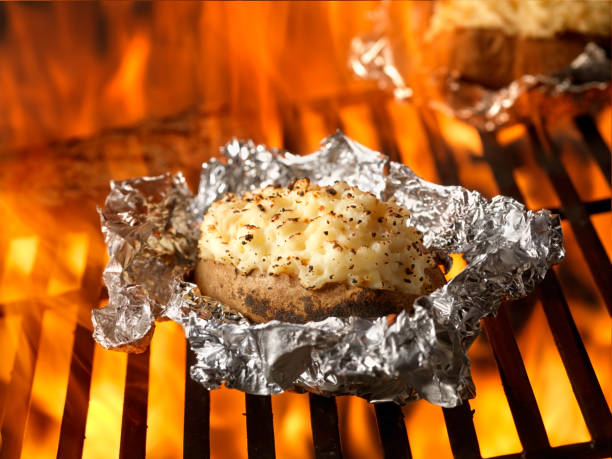
Galvanic corrosion and acidic reactions result in pitting, compromising both the structural integrity of the foil and the flavor profile of the dish.
4. Operational Efficiency and Workflow Optimization
Optimizing roll dispensing and tear mechanics
Strength - Rapid Deployment: Industrial rolls of aluminum foil (often 1000 feet in length) provide immense coverage potential. When stationed correctly at a dedicated prep table, a cook can cover dozens of hotel pans in minutes, securing mise en place rapidly before service.Weakness - Ergonomic Inefficiency & Tearing: A common failure point in kitchen operations is the improper dispensing of foil. If the roll is dropped and the edges are dented, the foil will tear in jagged, diagonal strips, rendering entire sections useless and causing extreme frustration during a rush.Opportunity - Standardized Dispensing Stations: Implementing heavy-duty, wall-mounted or table-clamped commercial dispensers with built-in slide cutters (rather than relying on the serrated cardboard box edge) revolutionizes the process. It allows for single-handed operation, perfect geometric cuts, and zero wasted material due to accidental diagonal tearing.Threat - Cross-Contamination Hazards: If a cook tears foil with hands covered in raw poultry juice to wrap a container of fresh greens, a severe cross-contamination event occurs. The workflow must dictate that foil is cutbefore hands become contaminated, or dedicated "clean hands" must manage the dispensing station.
Repurposing and end-of-life lifecycle management
The Past (The Linear Model): Historically, aluminum foil in the kitchen had a singular lifecycle. It was pulled off the roll, used once to cover a pan of roasting bones, and subsequently thrown into the general trash, contributing to massive landfill waste and terrible eco-metrics for the restaurant.The Present (The Repurposing Phase): Astute chefs realize that lightly used foil is incredibly valuable. Foil that merely covered a dry resting rack or wrapped a dry loaf of bread is meticulously saved. It is crumpled into tight balls and repurposed as a highly abrasive, effective scouring pad for cleaning heavy carbon buildup off cast-iron grates and stainless steel grills, replacing expensive, synthetic steel-wool pads and saving operational budget.The Future (The Circular Economy): Aluminum is infinitely recyclable without loss of quality. Elite kitchens now implement strict separation protocols. Foil that is heavily soiled with baked-on cheese or heavy fats is discarded, but clean or lightly soiled foil is rinsed and placed in dedicated metal recycling bins. This commitment to sustainability lowers waste-hauling fees and aligns the kitchen with modern, eco-conscious dining philosophies.

Ergonomic dispensing systems eliminate jagged tears, reduce material waste, and vastly improve prep-station efficiency.
5. Innovative Techniques Beyond Traditional Boundaries
Improvised smoking packets and wood chip combustion
Component 1: The Combustible Matrix: Soak a handful of hickory or applewood chips in water, then drain them thoroughly.Component 2: The Aromatic Enhancers: Mix the chips with dry aromatics—star anise, cinnamon sticks, or dry tea leaves (as seen in classic Chinese tea-smoking).The Assembly (The Smoker Pouch): Lay out a double-layered square of heavy-duty foil. Place the wood chip matrix in the center. Fold the foil to create a flat, securely sealed packet.The Execution: Using a pairing knife, puncture exactly 5 to 6 small holes in the top of the packet. Place this packet directly into the bottom of a dry wok or heavy cast-iron pot over high heat. The heat conducts through the foil, causing the wood chips to smolder. The foil prevents the chips from instantly catching fire and turning to ash, while the punctures direct a concentrated, steady plume of intense smoke upwards. Place a wire rack over the packet, add the protein (e.g., duck breast or salmon), and cover the pot tightly with a lid (or more foil). You have instantly created a highly effective, micro-environmental smoker.
Form-fitting molds and structural baking support
Concept 1: The Tart Ring Substitute: A pastry chef needs a specific 3.5-inch tartlet mold, but only has 4-inch rings. By taking a long strip of heavy foil, folding it repeatedly into a thick, sturdy band, and stapling the ends together at the exact 3.5-inch circumference, a rigid, heat-resistant, and entirely functional makeshift tart ring is born.Concept 2: Blind Baking Architecture: When baking a pie shell "blind" (without filling), the dough tends to slump down the sides or bubble up in the center. While parchment paper and ceramic pie weights are standard, they often fail to support the vertical edges. By gently pressing a large sheet of foil tightly against the raw dough, carefully molding it into every flute and crevice, and extending it over the rim, the foil acts as an exoskeleton. It locks the dough in place structurally, conducts heat perfectly to crisp the crust, and provides a basket for the baking weights, ensuring a geometrically flawless pastry shell every single time.

Utilizing structural memory and thermal resistance to engineer an improvised, highly effective stovetop smoking apparatus.
Elevating the Standard of Kitchen Operations
Loc Tu: Pioneering Excellence in Premium Aluminum Packaging Solutions
Why You Must Choose Loc Tu?
✅ Assured Quality & Safety: Crafted from premium, food-grade aluminum, free from harmful impurities, meeting international safety benchmarks.
🔥 Optimal Thermal Properties: Ensures even cooking and excellent heat retention, preserving food temperature and taste effectively.
💪 Durable & Convenient Design: Engineered to resist leaks and dents, providing reliable performance for baking, storage, and transport.
🔄 Versatile Solutions: Our extensive range caters to various applications – from baking and steaming to storing fresh food and takeaway meals.
🌱 Eco-Conscious Packaging: Made from 100% recyclable aluminum, supporting sustainability and reducing plastic waste.
🎯 Brand Enhancement: Optional custom printing available to personalize products and boost your brand visibility.
🚚 Reliable Supply & Delivery: Capable of handling large orders with dependable, on-schedule nationwide shipping.

Loc Tu – Trusted Manufacturer of Durable Aluminum Foil Containers and High-Quality, Food-Safe Aluminum Foil Rolls for Your Kitchen
Your Trusted Partner in Food Packaging 📞
📌 LOC TU MANUFACTURING & TRADING CO., LTD
📌 Our Vietnamese Website: Khaynhomthucpham.com
📌 HOTLINE/ZALO: 0969.787.309
📌 Facebook: Aluminum Foil Loc Tu
📌 Youtube: Aluminum Foil Loc Tu
📌 Tik Tok: Aluminum Foil Loc Tu
📌 Instagram: Aluminum Foil Loc Tu
📌 Shopee: Aluminum Foil Loc Tu
📌 Twitter/X: Aluminum Foil Loc Tu
📌 LinkedIn: Aluminum Foil Loc Tu
📌 Pinterest: Aluminum Foil Loc Tu
📌 Tumblr: Aluminum Foil Loc Tu
📌 Threads: Aluminum Foil Loc Tu
📌 Telegram: Aluminum Foil Loc Tu
📌 Whatsapp: 0969.787.309
📌 Branch 1 (Hanoi): No. 1 Pham Tu, Beasky Building, Dai Kim Ward, Hoang Mai District, Hanoi
📌 Branch 2 (Binh Duong): No. 68, DX 051 Street, Group 17, Quarter 4, Phu My Ward, Thu Dau Mot City, Binh Duong Province
📞 Contact us today for expert consultation and the best pricing on premium aluminum trays and foil packaging solutions! 🚀
LOC TU PRODUCTION AND TRADING COMPANY LIMITED
Branch 1 (Binh Duong): No. 68, DX 051 Street, Group 17, Quarter 4, Phu My Ward, Thu Dau Mot City.
Branch 2 (Hanoi): No. 1 Pham Tu, Beasky Building, Dai Kim Ward, Hoang Mai District.
Hotline/Zalo: +84.969787309
Website: Khaynhomthucpham.com
Email: [email protected]