AERO-GRADE ALUMINUM CONTAINERS: ENGINEERING CULINARY EXCELLENCE AT 35,000 FEET
The intersection of Avionics and Gastronomy
In the aviation industry, margins are measured in fractions of a cent and safety is measured in six sigma reliability. The meal tray served to a passenger in seat 14A is not merely a dining vessel; it is a piece of engineered hardware that must function flawlessly within the constraints of a pressurized aluminum tube traveling at Mach 0.85.
For procurement officers at major airlines and catering giants like LSG Sky Chefs or Gate Gourmet, the selection of airline aluminum foil food containers is no longer a trivial purchasing task. It is a complex equation involving thermodynamics, aerodynamics (weight/fuel), and ergonomics. A substandard container that deforms in the galley oven causes operational delays. A container that leaks damages the aircraft interior and ruins the passenger experience.
This operational dossier deconstructs the critical role of premium aluminum packaging in the aviation ecosystem. We move beyond simple "unit price" thinking to explore "performance value"—how the right packaging choice impacts fuel burn, turnaround times, and the brand equity of the carrier. This is the blueprint for high-altitude procurement excellence.
TABLE OF CONTENTS
Aviation Thermodynamics: The Physics of In-Flight Meal Heating
The Thermal Conductivity Advantage in Convection Systems
Structural Integrity Under Cabin Pressure and Turbulence
Economics of Weight: Aluminum's Role in Fuel Optimization
Calculating the ROI of Gauge Reduction
The Circular Economy: Scrap Value vs. Landfill Cost
Culinary Presentation: Elevating Passenger Perception Through Packaging
From Utility to Luxury: The Smooth-Wall Revolution
The Psychology of Hygiene and Hermetic Sealing
Material Science: Alloy Specifications for High-Altitude Performance
Analyzing Alloys 3003 vs. 8011 for Aviation Needs
Lacquer Systems and Food Contact Safety Protocols
Supply Chain Architecture: Securing Consistency for Global Hubs
Mitigating Risk in Just-In-Time (JIT) Catering
The Loc Tu Manufacturing Protocol for Aviation
1. Aviation Thermodynamics: The Physics of In-Flight Meal Heating
The galleys of commercial aircraft are hostile environments for food. Using dry heat convection ovens, meals must be brought from a chilled state (below 5°C) to a serving temperature (above 75°C) rapidly, without drying out the contents. The vessel holding the food—the aluminum container—is the primary variable in this thermodynamic process.
The Thermal Conductivity Advantage in Convection Systems
Metric: Thermal Conductivity (k)
Material: Aluminum (~237 W/m•K) vs. CPET Plastic (~0.2 W/m•K)
The Operational Impact:
In a standard aircraft convection oven, time is the scarcest resource. The flight crew has a limited window to heat and serve hundreds of meals.
Rapid Energy Transfer: Aluminum's superior conductivity allows thermal energy to penetrate the food mass from all sides instantaneously. Plastic alternatives often act as insulators, requiring longer dwell times in the oven.
Energy Consumption: Faster heating cycles mean the galley ovens run for shorter periods, reducing the electrical load on the aircraft's generators (APU/Engines).
Maillard Reaction: Unlike plastics which sweat the food, aluminum transfers heat intensely enough to support the Maillard reaction (browning) where the food touches the container walls, enhancing flavor profiles that are usually dulled by cabin pressure.
Conclusion: Sourcing high-conductive aluminum trays is not just about holding food; it is about accelerating service delivery and ensuring food safety compliance by hitting core temperatures faster.
Structural Integrity Under Cabin Pressure and Turbulence
The Case: "Atlantic Transcontinental Airways" (Anonymized)
The Incident: During a transatlantic flight encountering Clear Air Turbulence (CAT), a galley cart secured in the storage bay shifted violently.
The "Before" Scenario: The airline utilized a generic, lower-gauge aluminum container with soft temper sourced from a spot market trader. Under the G-force of the turbulence and the weight of the stacked meals, the bottom rows of containers buckled. The lids popped open (delaminated), spilling sauce and contents throughout the cart.
The Consequence: 40 business class meals were destroyed. The mess required the cart to be red-tagged for deep cleaning, and the carpet in the galley area was stained, leading to an unsightly appearance for the return leg.
The Solution (The "After"): The airline switched to "Aero-Grade" semi-rigid smooth-wall containers with a specific temper optimization designed for stacking strength.
The Result: The enhanced vertical load-bearing capacity ensured that even under G-loading, the bottom containers maintained their shape. The seals remained intact. This proved that mechanical specification is a risk management tool.
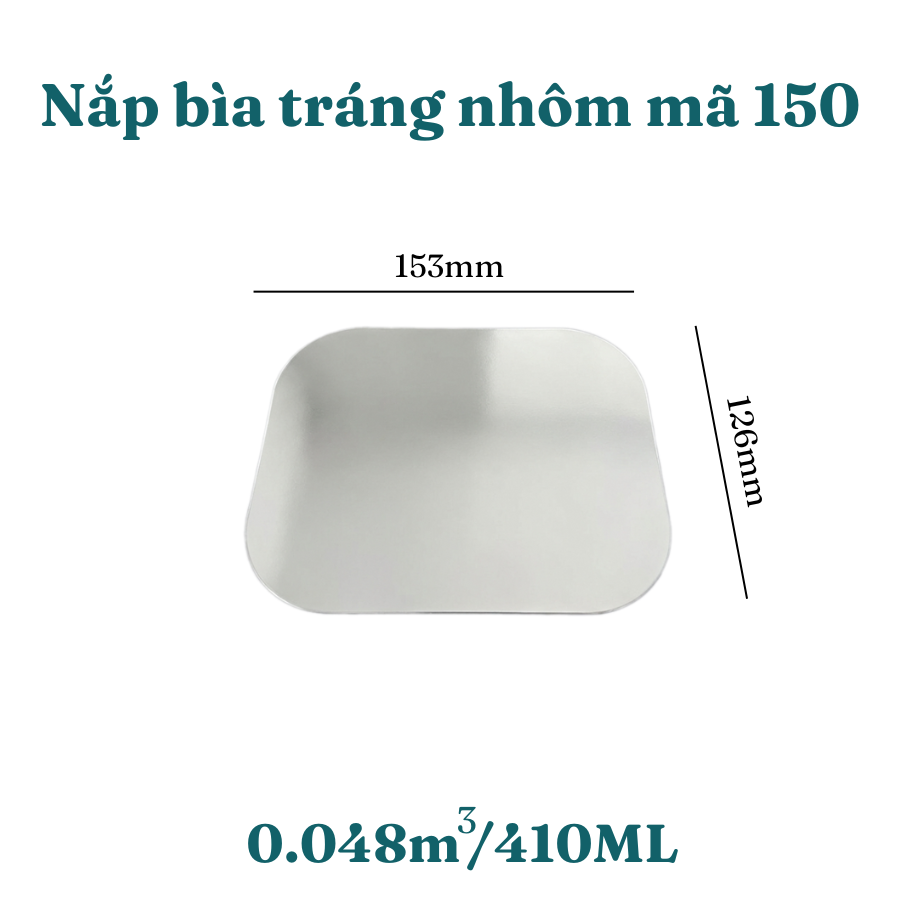
Aluminum's superior thermal conductivity minimizes energy consumption and maximizes heating uniformity in pressurized environments.
2. Economics of Weight: Aluminum's Role in Fuel Optimization
In aviation, weight is the enemy. "Weight creates drag, drag requires thrust, and thrust consumes fuel." For an airline operating thousands of flights daily, a gram of weight saved on a meal tray is not a rounding error—it is a million-dollar profit optimization strategy.
Calculating the ROI of Gauge Reduction
Central Core: The Cost of Carrying "Dead Weight"
Variable A: Frequency. A global carrier operates 1,000 flights/day.
Variable B: Capacity. Average 250 meals per flight. Total = 250,000 meals/day.
The Calculation:
Old Specification: Standard Foil Container = 14 grams.
Optimized Aero-Specification: High-tensile Alloy Container = 10 grams.
The Saving: 4 grams per meal.
Daily Weight Reduction: 4g x 250,000 = 1,000 kg (1 Ton) per day.
Annual Impact: 365 Tons of reduced payload per year.
The ROI Translation:
By working with a specialized manufacturer to engineer a container that uses high-strength alloys (allowing for thinner walls without sacrificing stiffness), the airline effectively removes the weight of several passengers from their fleet every single day. This directly correlates to jet fuel savings (Scope 1 Emissions reduction) and allows for increased cargo revenue capacity. Procurement isn't just buying trays; it's buying fuel efficiency.
The Circular Economy: Scrap Value vs. Landfill Cost
Weakness (Competitors - Plastic/CPET): Plastic waste is a liability. It requires sorting, often has no resale value, and airlines frequently pay for its incineration or landfill disposal. It is a net-negative asset after use.
Strength (Aluminum): Aluminum foil containers are distinct in the waste stream. They hold intrinsic scrap value.
The "Zero-to-Landfill" Strategy:
Smart catering operations flatten used aluminum trays and densify them into bales. This aluminum is sold to recyclers. The revenue generated from selling the scrap aluminum can often offset a percentage of the initial procurement cost. This creates a circular procurement cycle where the packaging helps pay for itself—an economic model impossible with plastic.
Brand Perception: For passengers increasingly conscious of environmental impact, utilizing a material that is infinitely recyclable is a powerful marketing message.
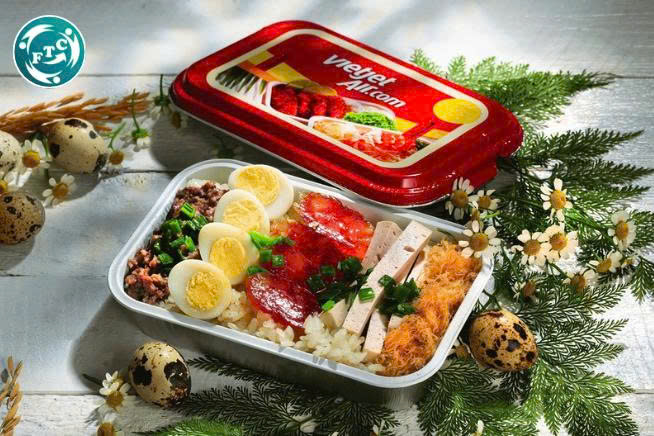
Precision engineering allows for gauge reduction that translates directly to fuel efficiency and carbon footprint reduction.
3. Culinary Presentation: Elevating Passenger Perception Through Packaging
The era of the "TV dinner" look in aviation is ending. Business and First Class passengers expect a restaurant-quality experience, and even Economy travelers are discerning. The aluminum container is the "plate," and its visual quality dictates the perceived value of the meal before the first bite is taken.
From Utility to Luxury: The Smooth-Wall Revolution
Module A: The Wrinkled Standard (Obsolete)
Traditional wrinkled-wall foil containers suggest "mass production," "industrial," and "low quality." Food gets stuck in the folds, making it difficult to eat, and sauces pool unevenly. This is the visual language of the 1980s.
Module B: The Smooth-Wall Innovation (Modern Standard)
Modern manufacturing presses can produce "Smooth-Wall" aluminum containers. These vessels possess:
Glass-like Rim: A perfectly flat flange that allows for airtight heat sealing (film) rather than a crimped cardboard lid.
Porcelain Aesthetic: They can be lacquered in colors (Gold, Black, Cream) to mimic ceramic or slate stoneware.
Dining Ergonomics: The smooth interior allows passengers to use metal cutlery without snagging on foil wrinkles, providing a civilized eating experience.
Strategic Application: Airlines can downgrade from expensive Rotable Dishware (which requires washing and is heavy) to premium colored Smooth-Wall Aluminum for Short-Haul Business Class, saving weight and wash costs while maintaining a premium look.
The Psychology of Hygiene and Hermetic Sealing
In a post-pandemic world, visible hygiene is paramount.
Step 1: The Seal. A heat-sealed film lid (versus a crimped paper lid) creates a hermetic barrier. It proves to the passenger that the meal has not been touched, breathed on, or tampered with since it left the catering kitchen.
Step 2: The Unveiling. The act of peeling back a sealed film releases the steam and aroma instantly (The "Olfactory Moment"), stimulating appetite—a critical trick at altitude where taste buds are 30% less sensitive.
Step 3: Confidence. A pristine, sealed aluminum container conveys sterility and medical-grade safety.
Procurement managers must prioritize container rim designs that support high-speed heat sealing to achieve this level of passenger trust.
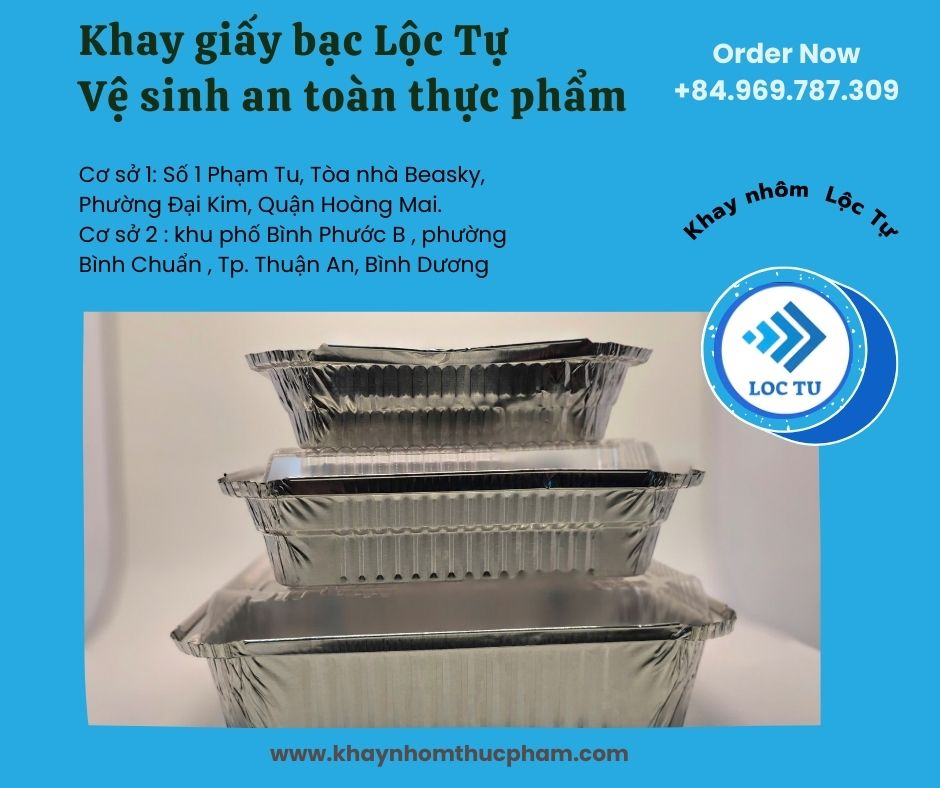
Smooth-wall technology bridges the gap between disposable efficiency and fine-dining aesthetics.
4. Material Science: Alloy Specifications for High-Altitude Performance
Not all aluminum is created equal. Sourcing generic "household foil" specs for aviation use is a recipe for operational failure. The specific demands of rapid freezing (blast chilling) followed by rapid heating (oven) require a specific metallurgical recipe.
Analyzing Alloys 3003 vs. 8011 for Aviation Needs
To the untrained eye, they look the same. To a purchasing director, they are worlds apart.
Alloy 8011 (The "Soft" Solution):
Properties: Higher ductility, softer temper.
Best Use: Standard wrinkle-wall containers where deep drawing is not required.
Aviation Risk: Can be too malleable. If a passenger uses a knife aggressively, they might slice through the bottom, causing a leak.
Alloy 3003 (The "Manganese" Powerhouse):
Properties: Added Manganese (Mn) increases tensile strength by approx. 20% over pure aluminum.
Best Use: Smooth-wall containers, larger serving trays, and vessels requiring high rigidity.
Aviation Advantage: This is the gold standard for "Aero-Grade" packaging. It resists denting during the rough handling of catering logistics (loading onto high-lift trucks, sliding into galley carts). It holds its shape perfectly in the oven.
Procurement Dictum: Your RFQ (Request for Quote) must explicitly state the alloy requirement. Demanding Alloy 3003 ensures you receive a product engineered for abuse, not just display.
Lacquer Systems and Food Contact Safety Protocols
The Auditor: "Aluminum is reactive. What happens when you put acidic tomato sauce or lemon chicken in these trays for 48 hours?"
The Strategist (You): "That is why we specify 'Epoxy-Phenolic' or 'PP-Laminated' interior coatings."
The Science of Barriers:
Raw aluminum can oxidize or effect the taste of highly acidic foods (electrolysis) if left in contact for long durations. Aviation catering operates on a Cook-Chill-Freeze-Reheat cycle that can span days.
Epoxy Protection: A thin, invisible layer of food-grade lacquer prevents any aluminum migration into the food. It guarantees flavor neutrality.
Retort Capability: For meals sterilized inside the package (Retort processing), specialized coatings must be capable of withstanding 121°C steam pressure without delaminating.
Failing to specify the correct coating system can lead to "metal taste" complaints, which are notoriously damaging to airline reputations.
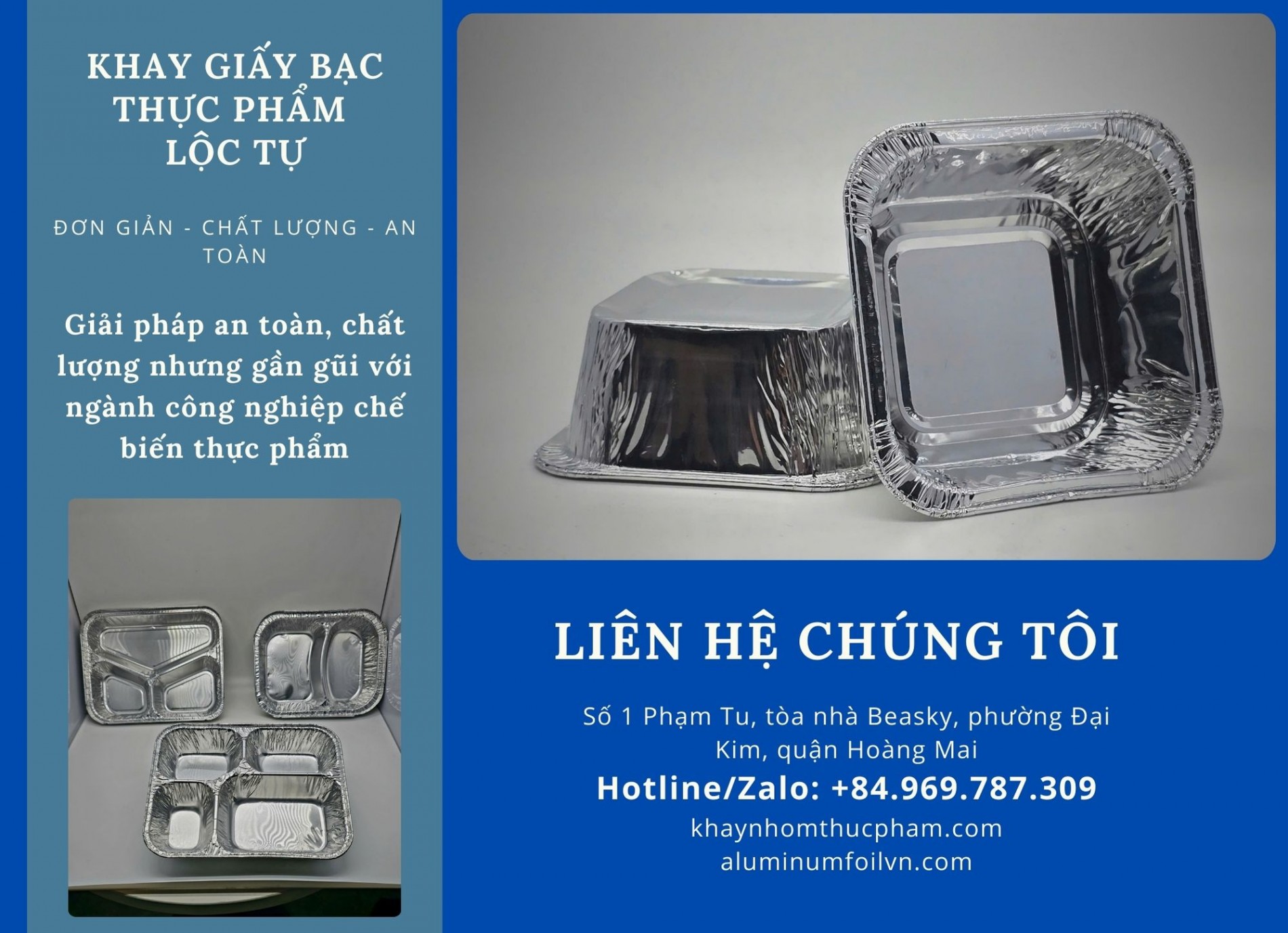
Advanced multi-layer material engineering ensures food safety and chemical neutrality in extended storage conditions.
5. Supply Chain Architecture: Securing Consistency for Global Hubs
An airline cannot pause a flight because the fork or the tray is missing. "Stockouts" are operational disasters. Therefore, the sourcing of airline foil containers is primarily a question of supply chain resilience and global reach.
Mitigating Risk in Just-In-Time (JIT) Catering
Threat: Single-Source dependency on a volatile region. If your factory shuts down due to local regulations or logistical gridlock, your global catering hubs starve.
Strength (The Inventory Buffer Model):
Strategic procurement involves a "Vendor Managed Inventory" (VMI) agreement. A competent manufacturer will not just ship and forget. They will maintain buffer stock in regional warehouses near major hubs (Frankfurt, Dubai, Singapore, New York).
This turns a "Shipping Time" of 30 days into a "Call-Off Time" of 24 hours. The cost of carrying this inventory is negligible compared to the cost of an aircraft delaying service due to equipment shortage.
The Loc Tu Manufacturing Protocol for Aviation
Why do discerning aviation buyers look towards established manufacturers like Loc Tu?
Custom Tooling Capability: Aviation is standardized (Atlas Standard), yet specific menus often require custom multi-compartment designs (e.g., separating the sauce from the rice). Loc Tu offers rapid prototyping and tooling creation to fit specific galley layouts.
IFSA/HACCP Alignment: We operate facilities that mirror the hygiene standards of the catering kitchens themselves. Traceability is maintained from the aluminum coil roll number down to the specific carton delivered.
Volume Elasticity: During peak seasons (summer holidays), catering volumes surge. Our production lines are designed with elasticity to ramp up output without sacrificing quality metrics.
Pricing Stability: By hedging raw aluminum material costs, we offer long-term contract pricing stability, protecting airlines from the volatility of the London Metal Exchange (LME).
Partnership is not just transactional; it is operational integration. We embed our logistics into your flight schedules.
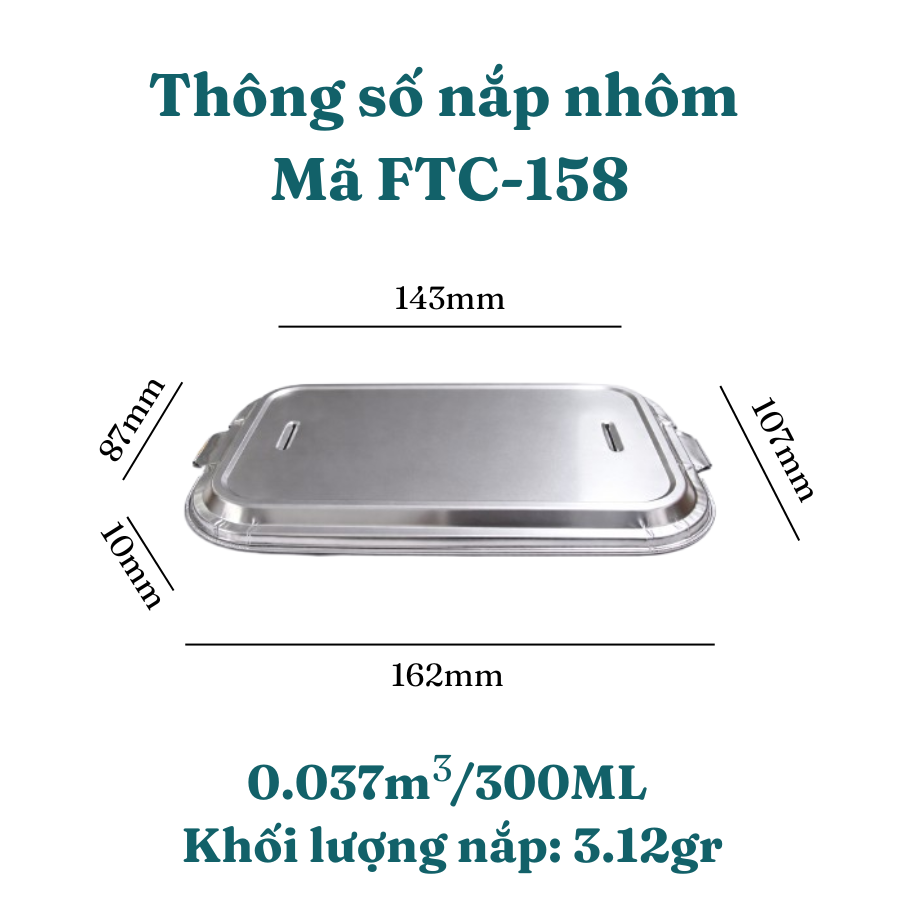
Reliability is the ultimate currency. Robust supply chain infrastructure ensures your galleys are never empty.
ALTIMETER CHECK: ELEVATING YOUR PACKAGING STANDARDS
This dossier has established that the procurement of airline aluminum foil food containers is a multidisciplinary strategic exercise. It is not merely buying "disposables." It is an investment in:
Fuel Efficiency (Through weight optimization).
Passenger Experience (Through aesthetic innovation and hygiene).
Operational Velocity (Through thermodynamic conductivity).
Sustainability (Through circular recycling models).
The airline industry does not tolerate mediocrity in its engines or its pilots; it should not tolerate it in its supply chain. By aligning with a manufacturing partner who understands the nuance of alloy metallurgy, coating science, and global logistics, procurement leaders can turn a commodity cost into a competitive advantage. The future of in-flight catering is lighter, stronger, and more sophisticated—ensure your inventory is ready for takeoff. 🛫
Loc Tu: Pioneering Excellence in Premium Aluminum Packaging Solutions
At the forefront of the food packaging industry, Loc Tu Manufacturing & Trading Co., Ltd. stands as a premier manufacturer and supplier of high-quality aluminum trays and foil rolls. We are dedicated to providing innovative, safe, and reliable packaging solutions tailored to the dynamic needs of the modern food landscape. Our foundation is b0uilt upon state-of-the-art manufacturing facilities, equipped with advanced production lines engineered for precision and efficiency. This technological edge allows Loc Tu to consistently deliver aluminum trays and foil rolls that not only meet but exceed rigorous international food safety standards.
Why You Must Choose Loc Tu?
✅ Assured Quality & Safety: Crafted from premium, food-grade aluminum, free from harmful impurities, meeting international safety benchmarks.
🔥 Optimal Thermal Properties: Ensures even cooking and excellent heat retention, preserving food temperature and taste effectively.
💪 Durable & Convenient Design: Engineered to resist leaks and dents, providing reliable performance for baking, storage, and transport.
🔄 Versatile Solutions: Our extensive range caters to various applications – from baking and steaming to storing fresh food and takeaway meals.
🌱 Eco-Conscious Packaging: Made from 100% recyclable aluminum, supporting sustainability and reducing plastic waste.
🎯 Brand Enhancement: Optional custom printing available to personalize products and boost your brand visibility.
🚚 Reliable Supply & Delivery: Capable of handling large orders with dependable, on-schedule nationwide shipping.
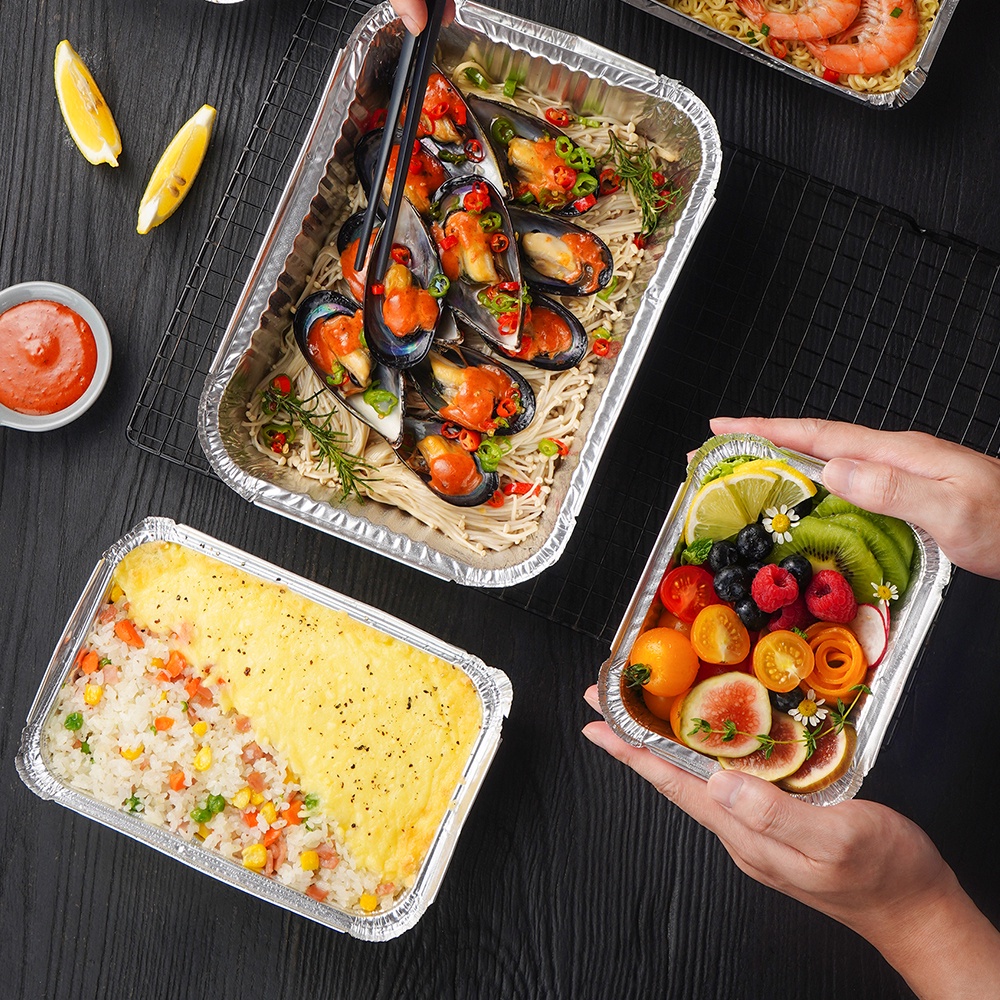
Loc Tu – Trusted Manufacturer of Durable Aluminum Foil Containers and High-Quality, Food-Safe Aluminum Foil Rolls for Your Kitchen
Your Trusted Partner in Food Packaging 📞
Loc Tu Manufacturing & Trading Co., Ltd. is more than just a supplier; we are your strategic partner in delivering high-caliber aluminum food packaging solutions. Specializing in a comprehensive range of aluminum trays, versatile foil rolls, and convenient disposable food containers.
We serve a diverse clientele – from individual households and local food vendors to large-scale restaurants, catering companies, and prestigious hotel chains. Our unwavering dedication to safety, sustainability, innovation, and customer satisfaction makes us the trusted choice for businesses and consumers seeking reliable, high-performance packaging.
📌 LOC TU MANUFACTURING & TRADING CO., LTD
📌 Our Vietnamese Website: Khaynhomthucpham.com
📌 HOTLINE/ZALO: 0969.787.309
📌 Facebook: Aluminum Foil Loc Tu
📌 Youtube: Aluminum Foil Loc Tu
📌 Tik Tok: Aluminum Foil Loc Tu
📌 Instagram: Aluminum Foil Loc Tu
📌 Shopee: Aluminum Foil Loc Tu
📌 Twitter/X: Aluminum Foil Loc Tu
📌 LinkedIn: Aluminum Foil Loc Tu
📌 Pinterest: Aluminum Foil Loc Tu
📌 Tumblr: Aluminum Foil Loc Tu
📌 Threads: Aluminum Foil Loc Tu
📌 Telegram: Aluminum Foil Loc Tu
📌 Whatsapp: 0969.787.309
📌 Branch 1 (Hanoi): No. 1 Pham Tu, Beasky Building, Dai Kim Ward, Hoang Mai District, Hanoi
📌 Branch 2 (Binh Duong): No. 68, DX 051 Street, Group 17, Quarter 4, Phu My Ward, Thu Dau Mot City, Binh Duong Province
📞 Contact us today for expert consultation and the best pricing on premium aluminum trays and foil packaging solutions! 🚀

