ALUMINUM FOIL CONTAINERS WITH LIDS: THE ULTIMATE GUIDE TO KITCHEN CONVENIENCE AND EFFICIENCY
(Introduction Title) Beyond the Container: An Ecosystem of Modern Culinary Management
In the relentless pace of modern life, the kitchen has transformed into a high-stakes environment where time is the most valuable ingredient. Every process, from meal preparation to storage and reheating, is scrutinized for efficiency. Amidst the array of sophisticated gadgets and appliances, one simple, often overlooked tool has emerged as a cornerstone of operational excellence for home cooks, meal preppers, and professional caterers alike: the humble yet powerful aluminum foil container with its lid. This isn't just about disposability; it's a strategic system for managing food.
This guide is not a mere product review. It is a comprehensive operational manual. ✍️ Authored from the perspective of a food science and kitchen efficiency expert, this document deconstructs the multifaceted value of aluminum foil containers with lids. We will establish a clear framework for assessing technical quality. We will explore the vast spectrum of their applications, moving far beyond simple leftovers. We will delve into the science of food preservation they enable and outline a strategic protocol for sourcing the right product for any need, from a family's weekly meal prep to a burgeoning catering business. This analysis is engineered for anyone who understands that the right tool doesn't just hold food; it unlocks potential, saves time, and preserves quality.
TABLE OF CONTENTS
The Unsung Hero: Why These Containers are a Modern Kitchen Staple
Decoding Quality: Technical Metrics for the Discerning User
A Masterclass in Versatility: Unlocking the Full Potential
The Science of Food Preservation: Lids, Safety, and Longevity
Smart Sourcing: A Buyer's Guide for Every Scale
1. The Unsung Hero: Why These Containers are a Modern Kitchen Staple
The ubiquitous nature of the aluminum foil container with a lid is no accident. It represents a perfect intersection of material science, practicality, and cost-effectiveness, making it an indispensable asset in any modern food-handling environment. It is the silent workhorse that enables complex meal planning and streamlined food service.
The Convergence of Convenience and Unmatched Performance
The Case: "The Sunday Prepper," a household of two working professionals.
The Problem (The "Before"): Every Sunday involved a chaotic ballet of pots, pans, glass containers, and plastic wrap. Meals were cooked in one vessel, cooled, transferred to various storage containers (many with mismatched lids), and then often required yet another dish for reheating. The result was a mountain of dishes, inefficient fridge space utilization, and frustration.
The Solution (The "After"): They adopted a system-based approach using standardized aluminum foil containers with lids. Main courses like shepherd's pie or enchiladas were assembled, cooked, and stored in the very same container. Portions were divided directly into individual-sized foil pans, lidded, labeled, and stacked neatly in the fridge and freezer.
The Result: The "dish mountain" shrank dramatically. The "what's for dinner" dilemma was solved for the entire week. Reheating became as simple as removing the paper lid and placing the container in the oven or air fryer. The containers streamlined the entire food lifecycle—from prep to consumption—saving hours each week and transforming a chore into a highly efficient, organized process. This case illustrates a transition from kitchen chaos to culinary control.
The Core Pillars of Their Indispensability: A Framework
Strength - Superior Thermal Dynamics: Aluminum is an exceptional conductor of heat. This allows for rapid and even cooking and baking, as well as fast freezing. This bi-directional thermal efficiency is a key performance advantage, reducing both cooking time and the risk of freezer burn.
Strength - Lightweight & Stackable: Their minimal weight and rigid, stackable design make them a logistic dream. They maximize storage space in pantries, refrigerators, and freezers, a critical factor in both commercial kitchens and home organization.
Opportunity - The Rise of Meal Kits & Home Delivery: The modern food economy thrives on convenience. These containers are the perfect vehicle for "bake-at-home" meal kits, takeaway meals that can be easily reheated, and direct-to-consumer food businesses, providing a professional and user-friendly packaging solution.
Threat - Environmental Perception & Alternatives: While aluminum is highly recyclable, the "disposable" label presents a challenge. The market for reusable glass and silicone alternatives is growing. The key counter-argument is the energy efficiency of recycling aluminum and the high energy cost associated with washing heavy-duty reusable containers. Proper user education on recycling is paramount to mitigating this threat.
[IMAGE 1 DESCRIPTION]
Image Content: A beautifully organized refrigerator. The shelves contain neatly stacked and labeled aluminum foil containers with lids, showcasing a week's worth of prepped meals. The look is clean, efficient, and appealing.
Caption: From chaotic meal prep to a streamlined system of culinary organization.
ALT Text: A highly organized fridge using stackable aluminum foil containers with lids for meal prepping.
2. Decoding Quality: Technical Metrics for the Discerning User
Not all foil containers are created equal. When relying on a container to cook, store, and protect your food, quality becomes a non-negotiable aspect of food safety and performance. A discerning user, whether a home cook or a professional, must learn to identify the key technical markers of a superior product.
Essential Material and Design Specifications to Verify
Name: Quality Assessment Checklist (QAC-F01)
Icon: 📋
Content:
Alloy & Food Grade Certification: The base material must be a certified food-grade aluminum alloy. Reputable manufacturers will state this clearly. This ensures the material is non-toxic, non-reactive with most foods (especially important for acidic foods like tomato sauce), and free from contaminants.
Thickness (Gauge/Micron): This is the single most important indicator of durability. It's often measured in gauge or microns. "Standard-duty" may suffice for light items, but "heavy-duty" or "extra-heavy-duty" is essential for casseroles, roasts, or any liquid-heavy dish. A thicker container resists buckling and provides better heat distribution.
Rim Construction: Look for a "Full Curl" rim. This is the rolled edge of the container. A well-formed, complete curl provides significant structural rigidity, prevents cuts, and ensures the lid can be crimped on for a secure seal. Interrupted or weak rims are a sign of a lower-quality product.
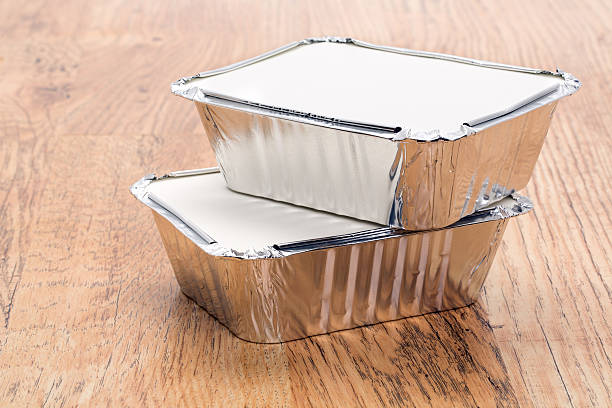
Lid Material & Fit: Lids come in two primary forms: a paper/cardboard lid (often with a foil laminate on one side) or a clear plastic dome. The paper lid is crucial for oven use (plastic will melt). The quality of the lid is determined by its ability to fit snugly and be crimped securely by the container's rim.
A Practical At-Home Quality Assessment Protocol
Before committing to a large pack from a new brand, perform this simple three-part test on a single sample:
Step 1: The Structural Integrity Test: Hold the empty container by the edge with one hand. Does it sag or bend significantly under its own weight? Now, press gently in the center of the base. It should feel firm with minimal flex. A flimsy container will easily deform and is a risk for spills.
Step 2: The Hot Liquid Containment Test: Carefully pour boiling water into the container, filling it about halfway. Let it sit on a heat-proof surface for 10 minutes. Check for any signs of leaks. Now, carefully attempt to lift the container. Pay close attention to how much the walls buckle. A quality heavy-duty container will remain rigid and stable.
Step 3: The Lid Seal & Crimping Test: Place the lid on the container. Fold or "crimp" the aluminum rim over the edge of the lid in several places. The rim should fold cleanly without tearing. Once sealed, turn the container upside down (over a sink!) to test the security of the seal. A good seal is vital for transport and freezer storage to prevent leaks and freezer burn.
3. A Masterclass in Versatility: Unlocking the Full Potential
The true genius of the aluminum foil container with a lid is its ability to seamlessly transition between extreme temperatures and different culinary roles. This versatility allows for the creation of hyper-efficient workflows that were previously impossible with traditional cookware.
The "Prep-Cook-Serve-Store-Reheat" Unified Workflow
The Traditional, Segmented Workflow: This is a multi-stage, high-friction process.
Prep: Ingredients are mixed in a stainless-steel or glass bowl.
Cook: The mixture is transferred to a ceramic or metal baking dish.
Serve: The meal is served from the baking dish.
Store: Leftovers are scooped into a separate plastic or glass storage container.
Reheat: The leftovers are often moved to yet another microwave-safe or oven-safe plate/bowl.
This workflow results in 4-5 different items to wash, store, and manage.
The Modern, Integrated Workflow (with Foil Containers): This is a single-vessel, low-friction process.
Prep: Ingredients for a lasagna, casserole, or meatloaf are mixed directly within the heavy-duty foil container.
Cook: The same container goes straight into the oven.
Serve: The container can be placed directly on the table (often in a simple holder) for serving.
Store: The paper lid is simply crimped onto the container, and leftovers go straight into the fridge or freezer.
Reheat: The lid is removed, and the same container goes back into the oven or air fryer.
This unified workflow dramatically reduces cleanup, minimizes food handling, and streamlines the entire culinary process into one elegant and efficient cycle.
Advanced Culinary Modules: Expanding Your Repertoire
High-quality aluminum foil trays empower you to innovate your cooking and entertaining.
The "Bake & Gift" Module:
Components: (1) A small or medium foil container with a lid + (2) Your recipe for brownies, coffee cake, or a savory bread.
Application: Bake your goods directly in the container. Once cooled, pop on the lid. You now have a perfectly packaged, ready-to-transport gift for a neighbor, a bake sale item, or a contribution to a potluck. No need to worry about retrieving your expensive glass dish.
The "Grill-Side Hero" Module:
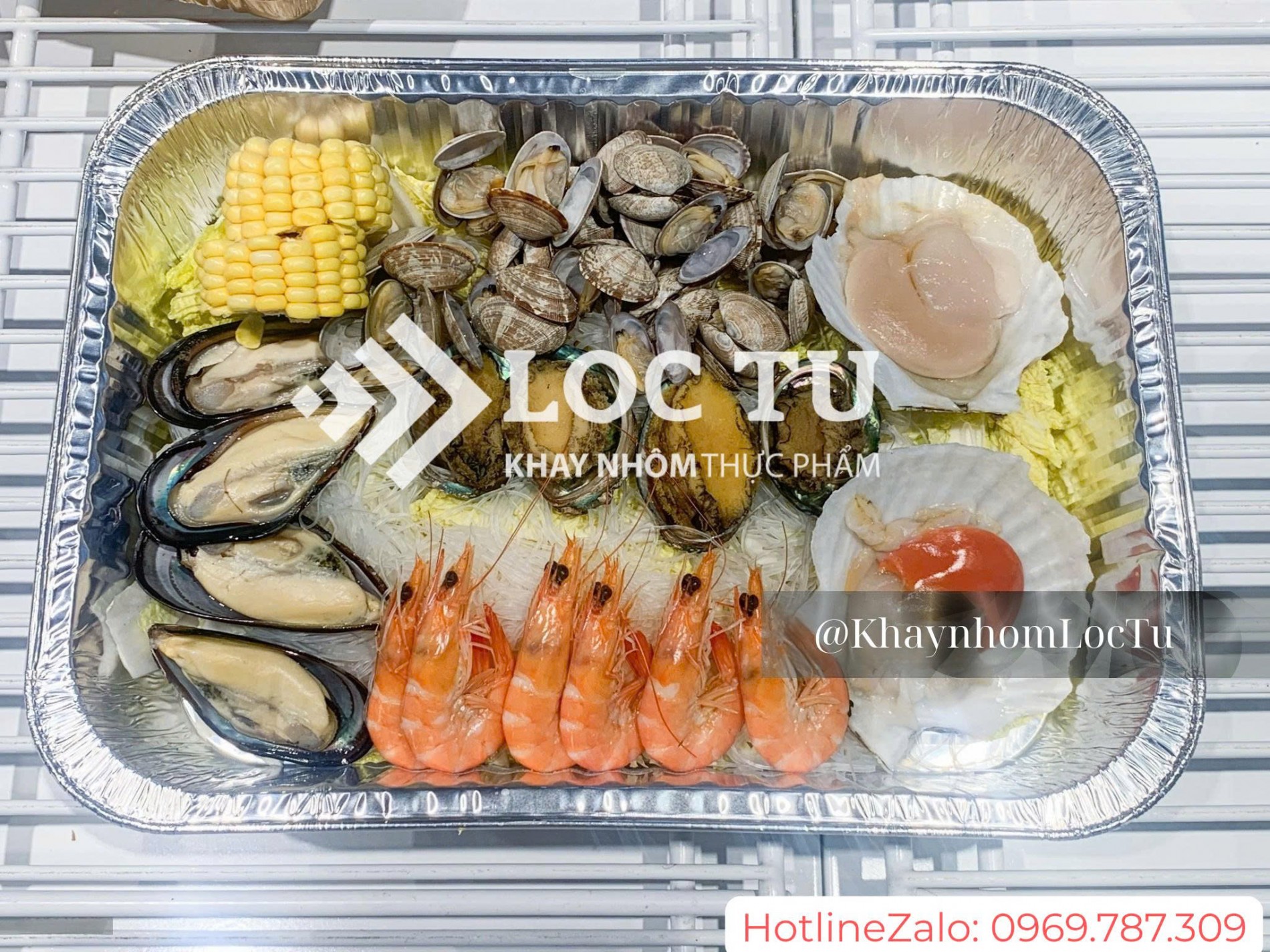
Components: (1) A shallow foil container + (2) Chopped vegetables (bell peppers, onions, zucchini), shrimp, or diced chicken + (3) Marinade or seasoning.
Application: Combine all ingredients in the foil pan at home. Crimp the lid on and transport it to the BBQ or campsite. When ready, simply remove the lid and place the entire pan directly on the grill. It keeps small items from falling through the grates and contains all the flavorful juices.
[IMAGE 3 DESCRIPTION]
Image Content: A dramatic, mouth-watering shot of a golden-brown baked ziti being pulled from an oven. The ziti is in an aluminum foil container, bubbling and steaming. The oven mitts and background suggest a home-cooking environment.
Caption: A flawless transition from oven to table, locking in flavor and eliminating extra dishes.
ALT Text: Cooking a casserole directly in an oven-safe foil container with a lid.
4. The Science of Food Preservation: Lids, Safety, and Longevity
The effectiveness of these containers as a food preservation tool is grounded in science. The combination of the aluminum pan and its corresponding lid creates a micro-environment that actively protects food from the primary agents of degradation: air, moisture loss, and temperature fluctuation.
The Dual-Barrier System: Food-Grade Aluminum and Its Protective Lid
Central Theme: Maximizing Food Freshness & Safety
Branch 1: The Aluminum Barrier
Sub-branch 1.1: Inert Material: Food-grade aluminum is non-reactive. It doesn't impart a metallic taste and acts as a stable barrier between the food and the outside environment.
Sub-branch 1.2: Opaque Shield: Aluminum is impervious to light. This protects photosensitive vitamins (like Riboflavin and Vitamin A) and fats from degradation and rancidity caused by light exposure, a significant advantage over clear glass or plastic containers.
Branch 2: The Lid's Crucial Role
Sub-branch 2.1: Oxygen Barrier: A securely crimped lid drastically reduces oxygen exposure. This slows down the process of oxidation, which causes stale flavors, discoloration, and nutrient loss.
Sub-branch 2.2: Moisture Lock: The lid traps moisture, preventing dehydration in both the refrigerator (e.g., keeping chicken moist) and the freezer. This is the primary defense against "freezer burn," which is essentially food dehydration at a cellular level.
Branch 3: Thermal Inertia
Sub-branch 3.1: Rapid Freezing: The high thermal conductivity of aluminum allows heat to be pulled out of the food quickly in a freezer. Faster freezing creates smaller ice crystals, causing less damage to the food's cellular structure and preserving its texture better upon thawing.
The Lid Showdown: Choosing the Right Shield for the Mission
The choice of lid is a critical decision based on the container's intended use. Each type offers a distinct set of advantages and limitations.
Scenario A: Laminated Paper/Board Lids
Description: A flat piece of rigid cardstock, often with a thin layer of foil or plastic coating on the side that faces the food.
Key Advantage - Oven Safe: This is the only lid type that should be used for "bake and store" applications. You can write on the paper top for easy labeling.
Best For: Lasagnas, casseroles that will be cooked in the container, sending meals to be reheated by others.
Limitation: Provides a less-perfect seal than a dome lid and food is not visible.
Scenario B: Clear Plastic Dome Lids
Description: A raised, transparent plastic lid that snaps over the container's rim.
Key Advantage - Visibility & Seal: Allows for easy identification of contents without opening. The dome provides extra space for frosted items or piled-high salads. It typically creates a tighter, more secure seal for transport.
Best For: Cold foods like salads, desserts, pasta salads, and items for retail display. Transporting food where preventing spills is the top priority.
Limitation: NOT OVEN SAFE. The plastic will melt at high temperatures, ruining the food and potentially the oven.
5. Smart Sourcing: A Buyer's Guide for Every Scale
The process of acquiring aluminum foil containers varies greatly depending on the user's needs. The strategy for a home cook buying a pack of ten is fundamentally different from a small business sourcing thousands. However, the core principles of value and quality remain the same.
The Savvy Home Cook's Procurement Checklist
Argument A (The Price-Focused Buyer): "This bulk pack on a discount website is the cheapest per unit. I'll get that. Foil is foil."
Argument B (The Value-Focused Strategist): "Wait. What's the gauge? 'Standard' duty might buckle when I lift my heavy chili out of the oven, risking a terrible mess and a lost meal. Are the lids included? Do they fit well? A poor lid seal means freezer burn and wasted food. Spending an extra 10 cents per container for a heavy-duty, reliable brand is an insurance policy. The true cost of a flimsy container isn't its price, but the cost of the meal it fails to protect."
The savvy home cook ultimately chooses value, prioritizing heavy-duty construction and well-fitting lids over the absolute lowest per-unit price, understanding that container failure is the most expensive outcome.
Scaling Up: Sourcing for Caterers and Food Businesses
For businesses, sourcing is a critical supply chain function.
Step 1: Define Volume & Variety: Accurately forecast your monthly usage across all necessary sizes (e.g., individual, half-pan, full-pan). This data is crucial for negotiating volume pricing.
Step 2: Sample Vetting Protocol: Never place a bulk order without testing samples first. Run the samples through your exact kitchen workflow. Do they hold up in your ovens? Can your staff handle them efficiently? Do they survive transport simulations?
Step 3: Certification Verification: Request and verify documentation proving the products are food-grade certified. This is a non-negotiable step for legal compliance and food safety.
Step 4: Logistics and Supplier Reliability Analysis: Evaluate more than just price. Analyze shipping costs, lead times, and the supplier's inventory depth. Can they handle your surge in demand during holiday seasons? A cheap price from an unreliable supplier can shut down your operation. Choose a partner known for consistency and service.
[IMAGE 5 DESCRIPTION]
Image Content: A clean, well-lit display showing a variety of different shapes and sizes of aluminum foil containers with their lids next to them—round pans, small loaf pans, large rectangular steam pans. The image communicates choice and specificity.
Caption: Selecting the precise tool for every culinary application, from individual pot pies to large-scale catering trays.
ALT Text: A versatile assortment of aluminum takeaway containers and foil trays with lids for various uses.
(Conclusion Title) More Than Convenience: A Strategic Investment in Time and Quality
We have journeyed through the comprehensive ecosystem of the aluminum foil container with its lid, elevating it from a simple disposable item to a strategic culinary tool. The evidence is definitive: when selected for quality and utilized with intent, these containers are a profound investment in efficiency, food quality, and, most importantly, time.
Their superior thermal performance, unmatched versatility across temperature extremes, and the scientific principles of preservation they employ offer a clear and measurable return. By adopting an integrated workflow and making informed sourcing decisions, both home cooks and professional foodservice operators can build more resilient, organized, and effective culinary systems. The choice to leverage a high-quality aluminum foil container and lid is not about cutting corners; it's about creating a smarter, more efficient path to culinary excellence. 🏆📈
Loc Tu: Pioneering Excellence in Premium Aluminum Packaging Solutions
At the forefront of the food packaging industry, Loc Tu Manufacturing & Trading Co., Ltd. stands as a premier manufacturer and supplier of high-quality aluminum trays and foil rolls. We are dedicated to providing innovative, safe, and reliable packaging solutions tailored to the dynamic needs of the modern food landscape. Our foundation is b0uilt upon state-of-the-art manufacturing facilities, equipped with advanced production lines engineered for precision and efficiency. This technological edge allows Loc Tu to consistently deliver aluminum trays and foil rolls that not only meet but exceed rigorous international food safety standards.
Why You Must Choose Loc Tu?
✅ Assured Quality & Safety: Crafted from premium, food-grade aluminum, free from harmful impurities, meeting international safety benchmarks.
🔥 Optimal Thermal Properties: Ensures even cooking and excellent heat retention, preserving food temperature and taste effectively.
💪 Durable & Convenient Design: Engineered to resist leaks and dents, providing reliable performance for baking, storage, and transport.
🔄 Versatile Solutions: Our extensive range caters to various applications – from baking and steaming to storing fresh food and takeaway meals.
🌱 Eco-Conscious Packaging: Made from 100% recyclable aluminum, supporting sustainability and reducing plastic waste.
🎯 Brand Enhancement: Optional custom printing available to personalize products and boost your brand visibility.
🚚 Reliable Supply & Delivery: Capable of handling large orders with dependable, on-schedule nationwide shipping.
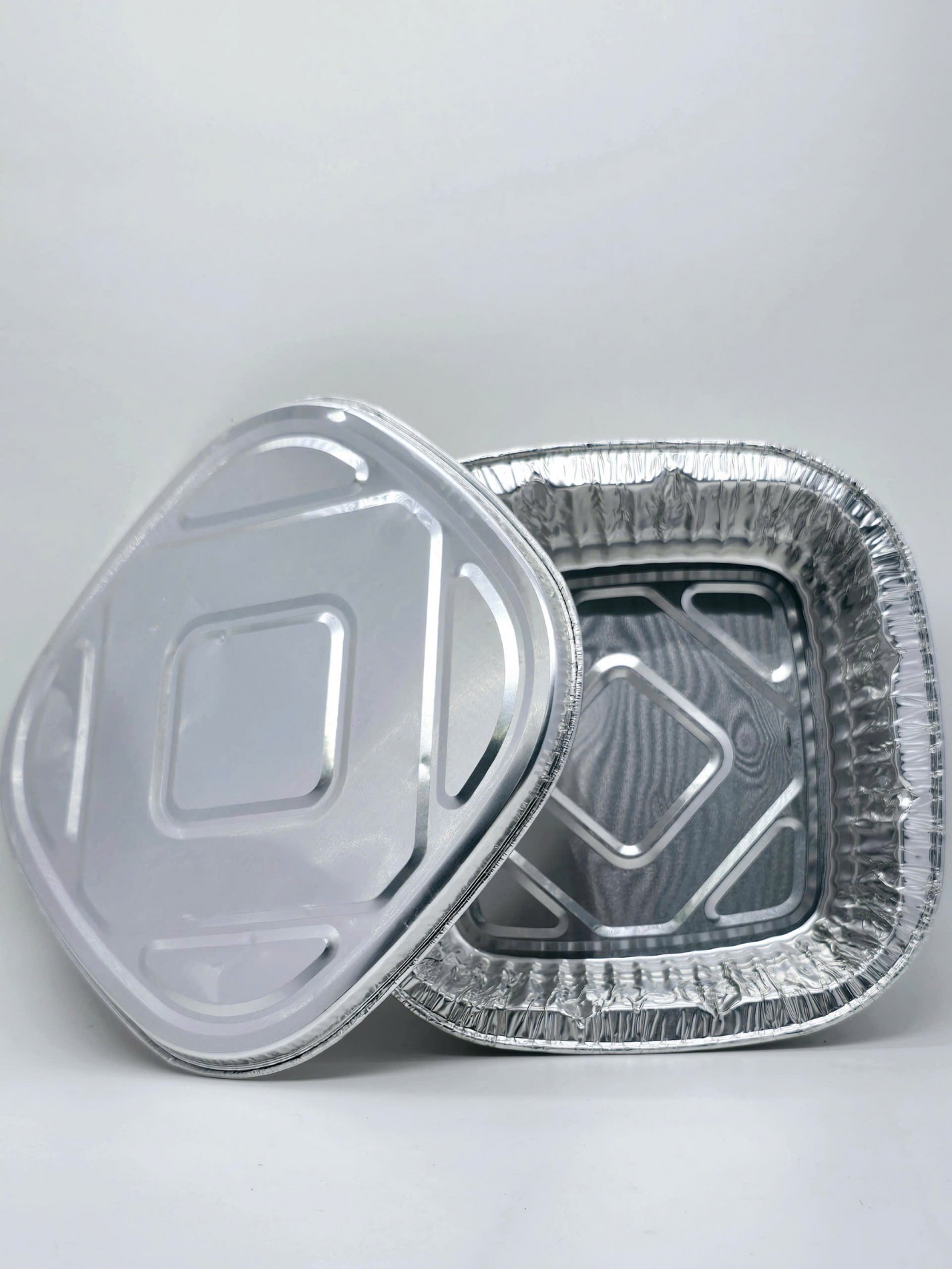
Loc Tu – Trusted Manufacturer of Durable Aluminum Foil Containers and High-Quality, Food-Safe Aluminum Foil Rolls for Your Kitchen
Your Trusted Partner in Food Packaging 📞
Loc Tu Manufacturing & Trading Co., Ltd. is more than just a supplier; we are your strategic partner in delivering high-caliber aluminum food packaging solutions. Specializing in a comprehensive range of aluminum trays, versatile foil rolls, and convenient disposable food containers.
We serve a diverse clientele – from individual households and local food vendors to large-scale restaurants, catering companies, and prestigious hotel chains. Our unwavering dedication to safety, sustainability, innovation, and customer satisfaction makes us the trusted choice for businesses and consumers seeking reliable, high-performance packaging.
📌 LOC TU MANUFACTURING & TRADING CO., LTD
📌 Our Vietnamese Website: Khaynhomthucpham.com
📌 HOTLINE/ZALO: 0969.787.309
📌 Facebook: Aluminum Foil Loc Tu
📌 Youtube: Aluminum Foil Loc Tu
📌 Tik Tok: Aluminum Foil Loc Tu
📌 Instagram: Aluminum Foil Loc Tu
📌 Shopee: Aluminum Foil Loc Tu
📌 Twitter/X: Aluminum Foil Loc Tu
📌 LinkedIn: Aluminum Foil Loc Tu
📌 Pinterest: Aluminum Foil Loc Tu
📌 Tumblr: Aluminum Foil Loc Tu
📌 Threads: Aluminum Foil Loc Tu
📌 Telegram: Aluminum Foil Loc Tu
📌 Whatsapp: 0969.787.309
📌 Branch 1 (Hanoi): No. 1 Pham Tu, Beasky Building, Dai Kim Ward, Hoang Mai District, Hanoi
📌 Branch 2 (Binh Duong): No. 68, DX 051 Street, Group 17, Quarter 4, Phu My Ward, Thu Dau Mot City, Binh Duong Province
📞 Contact us today for expert consultation and the best pricing on premium aluminum trays and foil packaging solutions! 🚀

