CAN YOU REUSE ALUMINUM FOIL? A COMPREHENSIVE GUIDE TO SAFETY, HYGIENE, AND SUSTAINABILITY
(Introduction Title) Beyond Frugality: Deconstructing a Common Household Dilemma
In kitchens across the globe, a familiar scenario unfolds: a sheet of aluminum foil, having dutifully shielded a pan of roasted vegetables or covered a bowl of leftovers, is peeled back. It is crinkled but largely intact. The question arises, a quiet debate between economic prudence and hygienic caution: Can I reuse this? The impulse to save money and reduce waste is powerful, yet a nagging uncertainty about food safety often prevails.
This guide is not a collection of anecdotal tips. It is a rigorous operational protocol. ✍️ Authored with the precision of a food scientist and the practicality of a sustainability analyst, this document will deconstruct the complexities of aluminum foil reuse. We will establish a non-negotiable framework for hygienic cleaning. We will conduct a risk-reward analysis that goes far beyond simple cost savings. And we will outline a strategic doctrine for its entire lifecycle, from first use to its final, recycled form. This document is engineered for the discerning household manager, the eco-conscious individual, and anyone who understands that the decisions we make in our kitchens have a tangible impact on our health and our planet.
TABLE OF CONTENTS
A Material Under Scrutiny: The Science of Aluminum Foil Reuse
The Hygiene Gauntlet: A Protocol for Safe Foil Reclamation
Risk/Reward Calculus: A Strategic Framework for Foil Reuse
Operational Extension: Second-Life Applications Beyond Food
The Lifecycle Doctrine: Sustainability vs. Practicality
1. A Material Under Scrutiny: The Science of Aluminum Foil Reuse
Before a protocol for reuse can be established, a fundamental understanding of the material itself is paramount. Aluminum foil is not merely a flexible sheet of metal; it is a high-performance material whose very properties dictate the risks and rewards of its second life.
Analyzing aluminum foil's core material characteristics
Name: Material Properties Dossier (MPD-AL01)
Icon: 🔬
Content:
Impermeability & Barrier Function: The primary function of food-grade aluminum foil is its near-perfect barrier property. A thin sheet effectively blocks light, oxygen, moisture, and microorganisms. This is why it excels at preserving food. However, this property is entirely dependent on its structural integrity.
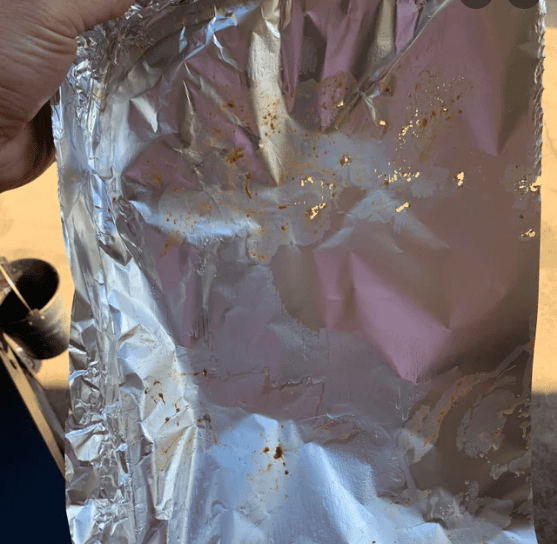
Malleability & Metal Fatigue: Aluminum is highly ductile, allowing it to be easily shaped. This same quality is a vulnerability. Each fold, crinkle, and smoothing action induces stress and metal fatigue, creating microscopic tears and pinholes that are often invisible to the naked eye. These breaches compromise the barrier function.
Surface Topography: On a microscopic level, the surface of even new foil is not perfectly smooth. Used foil, with its network of crinkles, develops a vast and complex surface area. These crevices become ideal harbors for bacteria, grease, and microscopic food particles, making effective sterilization extremely difficult.
The twin threats: Cross-contamination and structural degradation
The Pragmatist's View: "It looks clean enough. I just used it to cover a loaf of bread. A quick rinse should be fine. It’s wasteful to throw it away after a single use. We're trying to save money and be more environmentally friendly."
The Food Scientist's Rebuttal: "‘Looks clean’ is not a scientific metric. What about the microscopic fats and sugars that have seeped into the creases? What about the invisible pinholes that have formed from being crumpled? If we reuse this foil on raw meat, we risk transferring microorganisms from a low-risk food to a high-risk one. The structural integrity has been compromised, reducing its effectiveness as a heat conductor and a protective barrier. The minimal financial saving is not worth the potential health risk."
The core takeaway is that reuse fundamentally alters the material from a certified food-safe barrier to an object with unknown integrity and a potential vector for contamination.
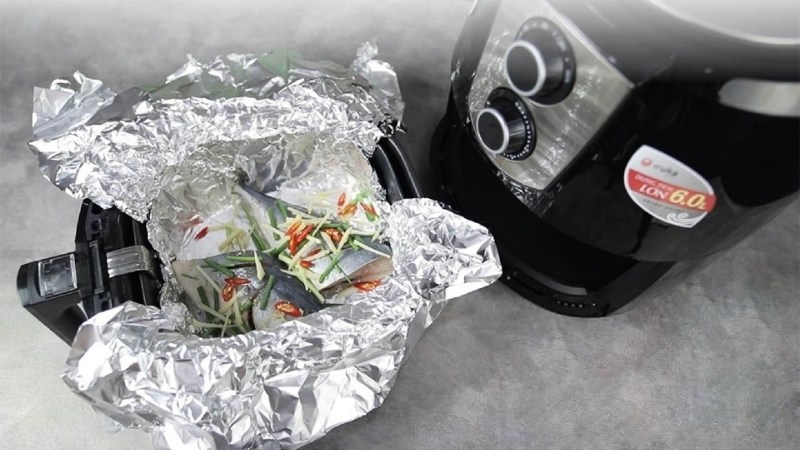
[IMAGE 1 DESCRIPTION]
Image Content: A macro, close-up photograph of a crumpled piece of aluminum foil. The lighting should highlight the deep creases, wrinkles, and perhaps a tiny, glistening tear in the material.
Caption: Every fold and crinkle introduces structural weaknesses and potential reservoirs for bacteria.
ALT Text: A macro image detailing the structural degradation of used aluminum foil, highlighting risks of reuse.
2. The Hygiene Gauntlet: A Protocol for Safe Foil Reclamation
If—and only if—the initial use case was low-risk, reusing aluminum foil is conditionally possible, but it requires a cleaning and inspection protocol as rigorous as any other kitchen sanitation procedure. Failure to adhere to this process negates any potential benefit.
The mandatory reclamation and sanitation process
This is a non-negotiable, multi-stage process. Skipping a step renders the process void.
Step 1: Initial Assessment. Immediately after use, determine the contamination level. Was it used with raw meats, heavy sauces, or acidic foods? If yes, ABORT THE PROCESS. The foil is not a candidate for reuse and should be recycled.
Step 2: Gross Decontamination. Carefully wipe away all visible food debris with a paper towel. The goal is to remove all particulate matter without further crumpling the foil.
Step 3: Degreasing Soak. Submerge the foil sheet in a basin of hot, soapy water. Use a high-quality dish soap with grease-cutting properties. Allow it to soak for at least 5-10 minutes to dissolve residual oils.
Step 4: Manual Sanitization. Gently wash the sheet with a soft sponge or cloth. DO NOT USE steel wool or abrasive scrubbers, as this will shred the foil. Wash both sides thoroughly.
Step 5: Rinsing and Drying. Rinse the foil under hot running water until all soap residue is gone. Lay it flat on a clean towel or hang it over a rack to air dry completely. Trapped moisture is a breeding ground for bacteria.
The structural and sensory integrity checklist
Before storing the cleaned foil, it must pass a final quality control inspection.
1. Visual Test - Pinhole Detection:
Hold the dry sheet of foil up to a bright light source. Tilt it and scan the entire surface. Can you see any small specks of light coming through? The presence of even a single pinhole signifies a failed barrier. RESULT: REJECT/RECYCLE.
2. Structural Test - Rigidity Check:
Does the foil feel overly soft or flimsy? Does it tear with minimal pressure? Significant degradation means it will fail under heat or when wrapped around food. RESULT: REJECT/RECYCLE.
3. Olfactory Test - Odor Analysis:
After it is completely dry, smell the foil. Does it retain any odor from its previous use (e.g., garlic, fish, spices)? A lingering odor indicates trapped organic compounds. RESULT: REJECT/RECYCLE.
Only foil that passes all three tests can be considered for a second use in a low-risk context.
3. Risk/Reward Calculus: A Strategic Framework for Foil Reuse
The decision to reuse foil should not be universal. It must be based on a calculated analysis of the previous use case versus the intended future application. This is a risk management strategy for your kitchen.
Low-Risk Scenarios: The "Green Light" for reuse
In these specific contexts, cleaned and inspected foil presents a minimal risk and can be reused. The common denominator is the absence of high-risk biological or chemical contaminants.
Scenario A - Covering Dry Goods: The foil was used to cover a basket of bread rolls, a plate of cookies, or to tent a resting pie crust.
Contaminant Profile: Low moisture, low protein, low grease. Minimal microbial load.
Reuse Application: Suitable for the same task, or for covering a bowl of salad greens or uncooked vegetables in the refrigerator.
Scenario B - Shielding Baked Goods: The foil was used as a shield on top of a casserole or fruit pie to prevent over-browning.
Contaminant Profile: Minimal direct food contact. Exposure primarily to dry heat and steam.
Reuse Application: Perfect for reuse as a baking shield, or as a liner on a baking sheet for roasting dry vegetables like potatoes or broccoli.
High-Risk Contaminants: The "Absolute No-Go" list
Contact with any of the following substances immediately and irrevocably disqualifies aluminum foil for a second life in food preparation. The risk of foodborne illness is unacceptably high.
| Contaminant Category | Specific Examples | Primary Risk |
| :--- | :--- | :--- |
| Raw Animal Proteins | Raw chicken, fish, ground beef, pork, eggs. | Bacterial Pathogens: Salmonella, E. coli, Campylobacter. These are highly dangerous and difficult to eliminate from creased foil. |
| Heavy Sauces & Marinades| Barbecue sauce, cheese sauce, curries, oily marinades.| Biofilm Formation: Sugars and fats create a sticky biofilm in the foil’s crevices, protecting bacteria from washing. |
| Highly Acidic Foods | Tomatoes, citrus fruits, vinegar-based sauces. | Chemical Leaching: High acidity can cause aluminum to leach from the foil into food, a process accelerated with heat and reuse. |
| Strongly Aromatic Foods | Garlic, onions, certain types of fish (e.g., salmon). | Odor & Flavor Transfer: The foil will absorb and transfer these potent flavors to the next dish, resulting in cross-contamination of taste. |
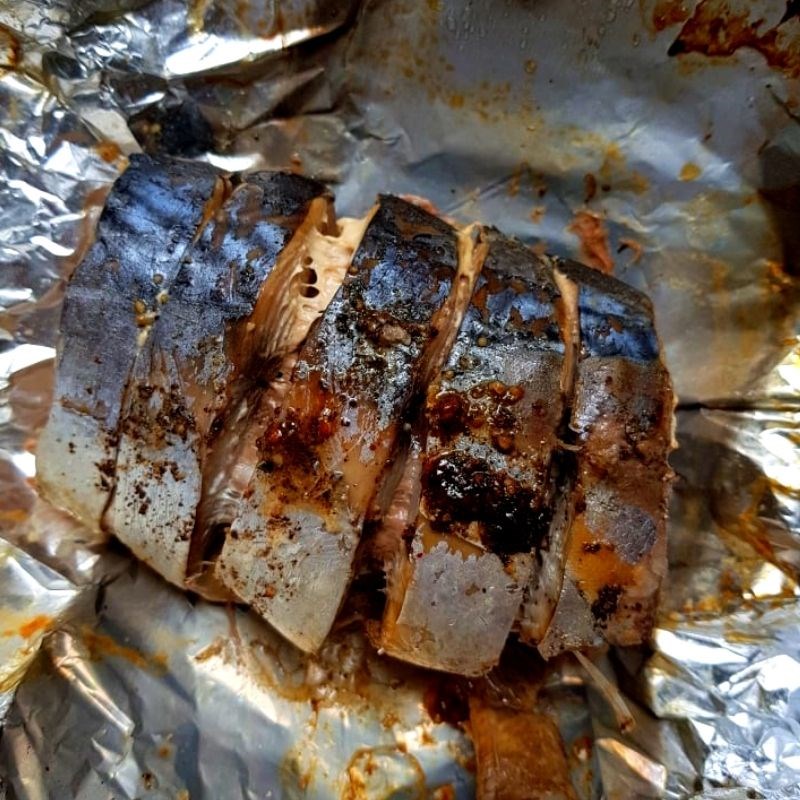
[IMAGE 3 DESCRIPTION]
Image Content: A split image. The left side shows a pristine sheet of foil covering a plate of dry cookies ("Safe to Reuse"). The right side shows a messy, stained piece of foil in a pan with raw, marinated chicken ("Discard Immediately").
Caption: Know the difference: assess the prior food contact to determine if reuse is a safe option or a significant risk.
ALT Text: A comparison diagram showing when it is safe to reuse aluminum foil versus when it is a high risk.
4. Operational Extension: Second-Life Applications Beyond Food
The most strategic form of reuse often involves removing the foil from the food preparation chain entirely. This eliminates the risk of foodborne illness while still extracting maximum value from the material before recycling.
Creative upcycling for household and workshop utility
Once foil is no longer food-safe, it can be repurposed as a valuable household tool.
The "Abrasive Scrubber" Module:
Assembly: Bunch a used piece of foil into a tight ball.
Application: Use it to scrub stubborn, burnt-on food from glass bakeware or non-Teflon metal pots and pans. The abrasive-yet-soft nature of the aluminum dislodges residue without heavy scratching. Also effective for removing rust spots from chrome fixtures.
The "Blade Sharpener" Module:
Assembly: Fold a piece of foil several times to create a thick, multi-layered strip.
Application: Cut through the folded strip with a dull pair of scissors 7-10 times. The friction and fine abrasive quality of the foil will hone and sharpen the blades.
The "Garden Sentry" Module:
Assembly: Cut used foil into thin strips.
Application: Mix the strips into your garden mulch or hang them from plant stems. The reflection of sunlight deters birds and some insects from bothering your plants.
The final lifecycle stage: Preparing foil for proper recycling
Aluminum is infinitely recyclable, but only if prepared correctly. Contaminated foil can ruin an entire batch of recycling.
Step 1: Consolidation. Never recycle a single small sheet. Recycling facilities have difficulty sorting small, light pieces.
Step 2: Cleaning. The foil must be reasonably clean. A quick rinse and wipe to remove the vast majority of food residue is mandatory. It doesn't need to be sterile, but it cannot be covered in cheese and grease.
Step 3: Compaction. Collect all your used and cleaned foil pieces (from food, chocolate wrappers, yogurt lids, etc.) and crush them together into a single, dense ball.
Step 4: Sizing. Continue adding to the ball until it is at least 2 inches (5 cm) in diameter. This size and density ensure that it will be properly sorted by the machinery at the recycling plant. Place this ball in your recycling bin.
5. The Lifecycle Doctrine: Sustainability vs. Practicality
The conversation around reusing foil is nested within the larger discourse of household sustainability. An informed decision requires balancing the desire to reduce waste with a realistic understanding of the material's environmental and practical lifecycle.
Deconstructing the true environmental impact of aluminum
The environmental "cost" of aluminum foil is heavily front-loaded in the production stage.
Scenario A - Production (Virgin Aluminum): The process begins with bauxite ore mining, which is environmentally disruptive. This ore is then processed into alumina and smelted into aluminum using the Hall-Héroult process, which is one of the most energy-intensive industrial processes on Earth. Producing one ton of new aluminum can create several tons of "red mud" waste.
Scenario B - Recycling (Reclaimed Aluminum): Recycling aluminum saves approximately 95% of the energy required to produce it from raw materials. It dramatically reduces greenhouse gas emissions and eliminates the need for new mining.
Conclusion: The single most impactful environmental action you can take regarding foil is not reusing it a second time for cooking, but ensuring it enters the recycling stream. Reuse is a minor benefit; recycling is the critical win.
Developing a rational, balanced household foil policy
Instead of a simple "yes" or "no," an effective policy is a tiered decision tree based on maximizing safety and sustainability.
Reduce First: Can I avoid using foil in the first place? Use a reusable lidded container for leftovers. Use a metal baking sheet without a liner. The most sustainable foil is the one you don't use.
Assess for Reuse (Low-Risk Only): If foil use is necessary, and the application was low-risk (e.g., covering bread), execute the full Hygiene Gauntlet (H2.2). If it passes, reuse for another low-risk task.
Divert to Utility: If the foil fails inspection or was used in a medium-risk scenario, divert it to a non-food "Utility Hack" (H2.4).
Recycle Always: Whether used once, twice, or as a scrubber, the final destination for ALL aluminum foil must be a properly prepared recycling ball. This is the cornerstone of a responsible foil policy.
This framework prioritizes safety, extracts maximum utility, and ensures the material completes its lifecycle in the most environmentally beneficial way.
[IMAGE 5 DESCRIPTION]
Image Content: A clean, compacted ball of aluminum foil, about the size of a tennis ball, being dropped into a blue recycling bin alongside other recyclables.
Caption: The ultimate destination: proper recycling saves 95% of the energy used to produce new aluminum.
ALT Text: A ball of cleaned and compacted aluminum foil being placed in a recycling bin, highlighting the final step in its sustainable lifecycle.
(Conclusion Title) A Strategic Conclusion: From Mindless Habit to Mindful Protocol
This analysis has demonstrated that the question "Can you reuse aluminum foil?" has a complex but definitive answer. Yes, conditional reuse is possible, but only within a rigid framework of risk assessment and stringent hygiene protocols. For the vast majority of common kitchen tasks, especially those involving moisture, proteins, or acids, reuse is an unacceptable food safety risk.
The evidence is clear: the most significant positive impact an individual can have is not in the marginal second use of a single sheet, but in the steadfast commitment to ensuring every piece of foil—clean and properly compacted—enters the recycling stream. By shifting from a simple, price-focused habit to a safety- and sustainability-focused protocol, we elevate a mundane kitchen chore into a deliberate act of personal responsibility. The truly strategic choice is to reduce where possible, reuse with extreme caution, and recycle without fail. 🏆📈
Loc Tu: Pioneering Excellence in Premium Aluminum Packaging Solutions
At the forefront of the food packaging industry, Loc Tu Manufacturing & Trading Co., Ltd. stands as a premier manufacturer and supplier of high-quality aluminum trays and foil rolls. We are dedicated to providing innovative, safe, and reliable packaging solutions tailored to the dynamic needs of the modern food landscape. Our foundation is b0uilt upon state-of-the-art manufacturing facilities, equipped with advanced production lines engineered for precision and efficiency. This technological edge allows Loc Tu to consistently deliver aluminum trays and foil rolls that not only meet but exceed rigorous international food safety standards.
Why You Must Choose Loc Tu?
✅ Assured Quality & Safety: Crafted from premium, food-grade aluminum, free from harmful impurities, meeting international safety benchmarks.
🔥 Optimal Thermal Properties: Ensures even cooking and excellent heat retention, preserving food temperature and taste effectively.
💪 Durable & Convenient Design: Engineered to resist leaks and dents, providing reliable performance for baking, storage, and transport.
🔄 Versatile Solutions: Our extensive range caters to various applications – from baking and steaming to storing fresh food and takeaway meals.
🌱 Eco-Conscious Packaging: Made from 100% recyclable aluminum, supporting sustainability and reducing plastic waste.
🎯 Brand Enhancement: Optional custom printing available to personalize products and boost your brand visibility.
🚚 Reliable Supply & Delivery: Capable of handling large orders with dependable, on-schedule nationwide shipping.
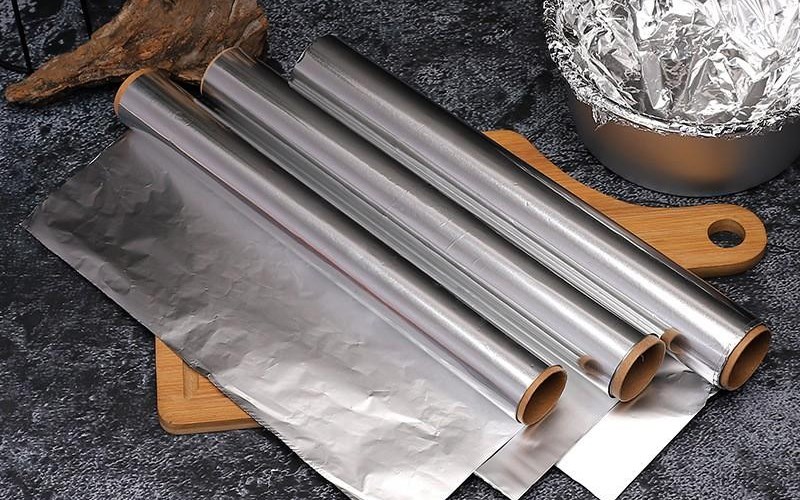
Loc Tu – Trusted Manufacturer of Durable Aluminum Foil Containers and High-Quality, Food-Safe Aluminum Foil Rolls for Your Kitchen
Your Trusted Partner in Food Packaging 📞
Loc Tu Manufacturing & Trading Co., Ltd. is more than just a supplier; we are your strategic partner in delivering high-caliber aluminum food packaging solutions. Specializing in a comprehensive range of aluminum trays, versatile foil rolls, and convenient disposable food containers.
We serve a diverse clientele – from individual households and local food vendors to large-scale restaurants, catering companies, and prestigious hotel chains. Our unwavering dedication to safety, sustainability, innovation, and customer satisfaction makes us the trusted choice for businesses and consumers seeking reliable, high-performance packaging.
📌 LOC TU MANUFACTURING & TRADING CO., LTD
📌 Our Vietnamese Website: Khaynhomthucpham.com
📌 HOTLINE/ZALO: 0969.787.309
📌 Facebook: Aluminum Foil Loc Tu
📌 Youtube: Aluminum Foil Loc Tu
📌 Tik Tok: Aluminum Foil Loc Tu
📌 Instagram: Aluminum Foil Loc Tu
📌 Shopee: Aluminum Foil Loc Tu
📌 Twitter/X: Aluminum Foil Loc Tu
📌 LinkedIn: Aluminum Foil Loc Tu
📌 Pinterest: Aluminum Foil Loc Tu
📌 Tumblr: Aluminum Foil Loc Tu
📌 Threads: Aluminum Foil Loc Tu
📌 Telegram: Aluminum Foil Loc Tu
📌 Whatsapp: 0969.787.309
📌 Branch 1 (Hanoi): No. 1 Pham Tu, Beasky Building, Dai Kim Ward, Hoang Mai District, Hanoi
📌 Branch 2 (Binh Duong): No. 68, DX 051 Street, Group 17, Quarter 4, Phu My Ward, Thu Dau Mot City, Binh Duong Province
📞 Contact us today for expert consultation and the best pricing on premium aluminum trays and foil packaging solutions! 🚀

