CAPITALIZING ON THE WINTER SURGE: OPTIMIZING CULINARY OPERATIONS
CAPITALIZING ON THE WINTER SURGE: OPTIMIZING CULINARY OPERATIONS WITH HIGH-PERFORMANCE ALUMINUM PACKAGING
(Introduction Title) The Thermal Imperative: Turning Seasonal Trends into Profit Margins
TABLE OF CONTENTS
Thermodynamics in Dining: Elevating the Customer Experience The Science of Heat Retention and Texture Preservation Sensory Branding: The Auditory and Visual Impact
Operational Velocity: Streamlining Back-of-House Workflows The "Prep-to-Heat" Integration Model Minimizing Labor Costs Through Disposable Efficiency
Fiscal Assessment: ROI and Cost Control Analysis Unit Economics of Wholesale Aluminum Procurement Portion Control and Waste Reduction Protocols
Menu Engineering: The Modular "Grill-in-Tray" Concept Constructing High-Margin Winter Specialties Versatility Across Service Channels: Dine-in to Delivery
Procurement Resilience: Securing Inventory for Peak Demand Vetting Metrics for High-Volume Suppliers The Loc Tu Supply Partnership Framework
1. Thermodynamics in Dining: Elevating the Customer Experience
The Science of Heat Retention and Texture Preservation
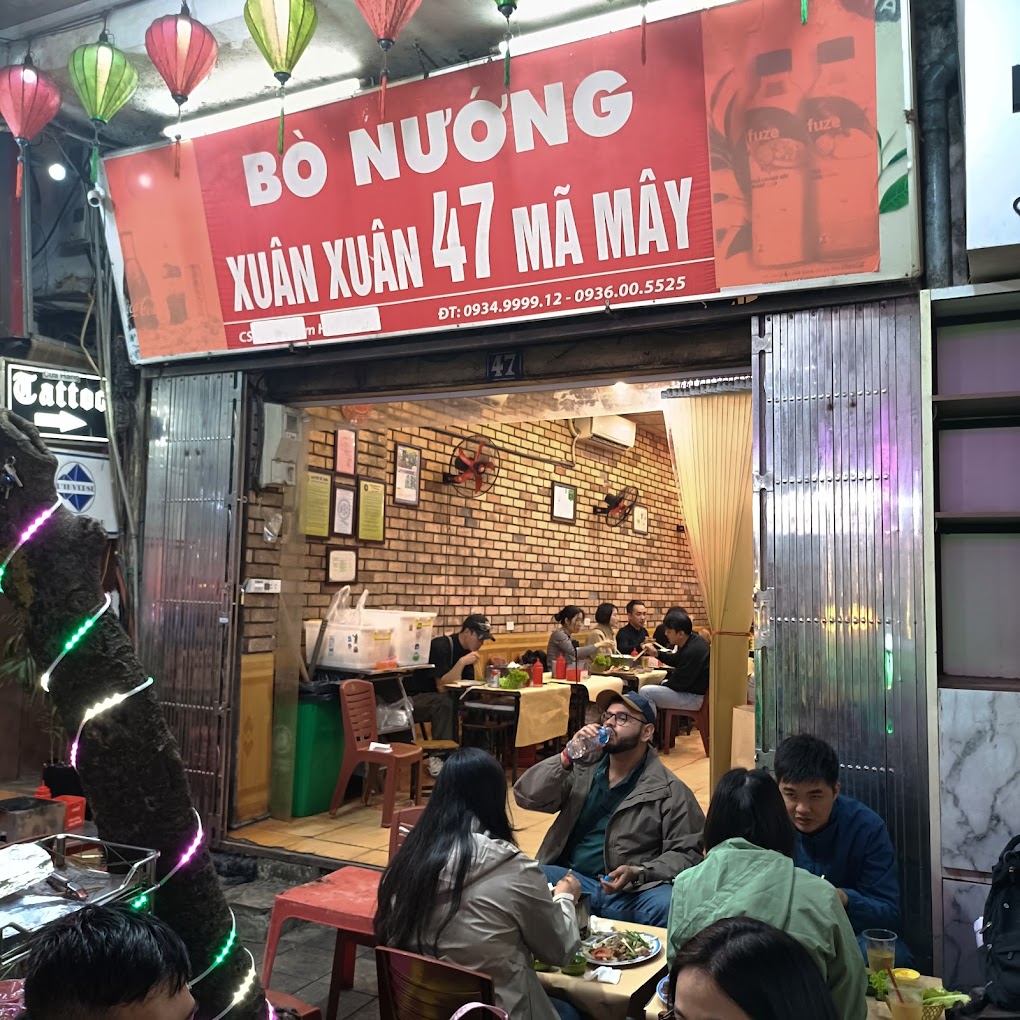
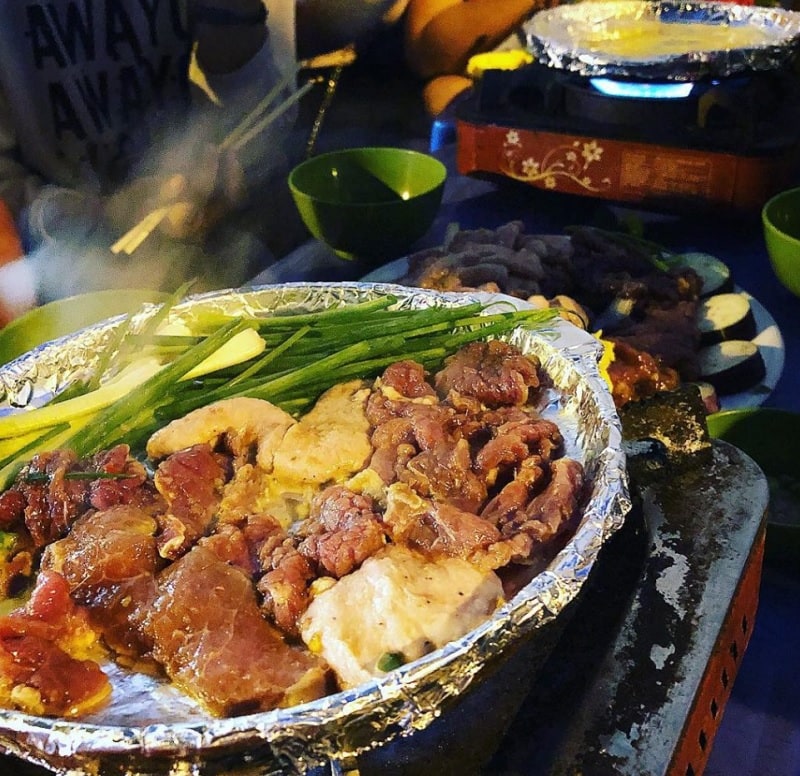
Conductivity Paradox: While aluminum is a conductor, when used as a lidded container (the "Faraday Cage" of heat), it excels at reflecting thermal radiation back into the food. Unlike breathable fiber or warping plastic, a tightly sealed aluminum container creates a localized steam environment.Textural Impact: In "Foil Grill" (Nướng giấy bạc) applications, this environment prevents the protein from drying out—a common pitfall in open-flame grilling during dry winter months. The container acts as a micro-pressure cooker, ensuring that meats remain succulent while retaining sauces that would otherwise burn off on a grate. This guarantees product consistency regardless of the ambient temperature of the dining room or delivery route.
Sensory Branding: The Auditory and Visual Impact
The Sound: The residual heat keeps sauces bubbling (the auditory cue of freshness).The Visual: The rising steam upon removing the lid (the visual cue of warmth).The Consequence: This creates a perception of "High Value" and "Freshness," allowing operators to command a premium price point for simple ingredients. This is critical for Winter Menus where perceived warmth equates to perceived comfort.
2. Operational Velocity: Streamlining Back-of-House Workflows
The "Prep-to-Heat" Integration Model
Phase 1 - Cold Prep: Kitchen staff portion raw ingredients (marinated pork ribs, vegetable medleys) directly into the wholesale aluminum containers during off-peak hours.Phase 2 - Staging: These filled, lidded containers are stacked in walk-in coolers. The rigid structure of aluminum allows high-density vertical stacking without crushing the product.Phase 3 - Execution: Upon order, the chef moves the specific unit directly from the cooler to the heat source (oven or grill).Phase 4 - Service: The item is served to the customer in theexact same vessel .Result: Elimination of 3 wash steps (mixing bowl, storage pan, serving plate) per dish.
Minimizing Labor Costs Through Disposable Efficiency
Dishwashing Load: Reduced by up to 60%.Labor Allocation: Staff can be reallocated from the dish pit to prep stations or front-of-house service during the rush.ROI Metric: The cost of the container is significantly lower than the marginal labor cost of washing a permanent vessel plus the utility overhead.
3. Fiscal Assessment: ROI and Cost Control Analysis
Unit Economics of Wholesale Aluminum Procurement
Price Elasticity: Bulk pricing can reduce the unit cost by 30-45%.Durability Factor: Cheaper retail foil is often thinner (10-12 microns), leading to tears and wasted food. Professional wholesale grade (16-20+ microns) prevents food loss, meaning theeffective cost is lower because waste is eliminated.Concept Viability: For a menu item priced at $10.00, a high-quality container costing $0.15 is a negligible 1.5% packaging cost, well within the "Prime Cost" safety zone (usually targeted at under 30% for food+packaging).
Portion Control and Waste Reduction Protocols
4. Menu Engineering: The Modular "Grill-in-Tray" Concept
Constructing High-Margin Winter Specialties
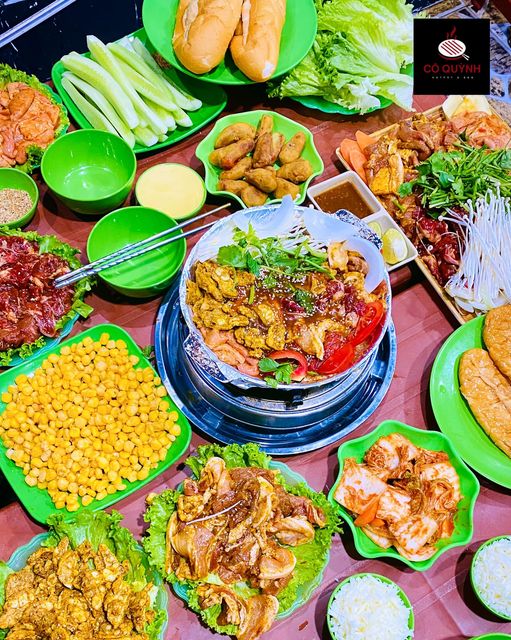
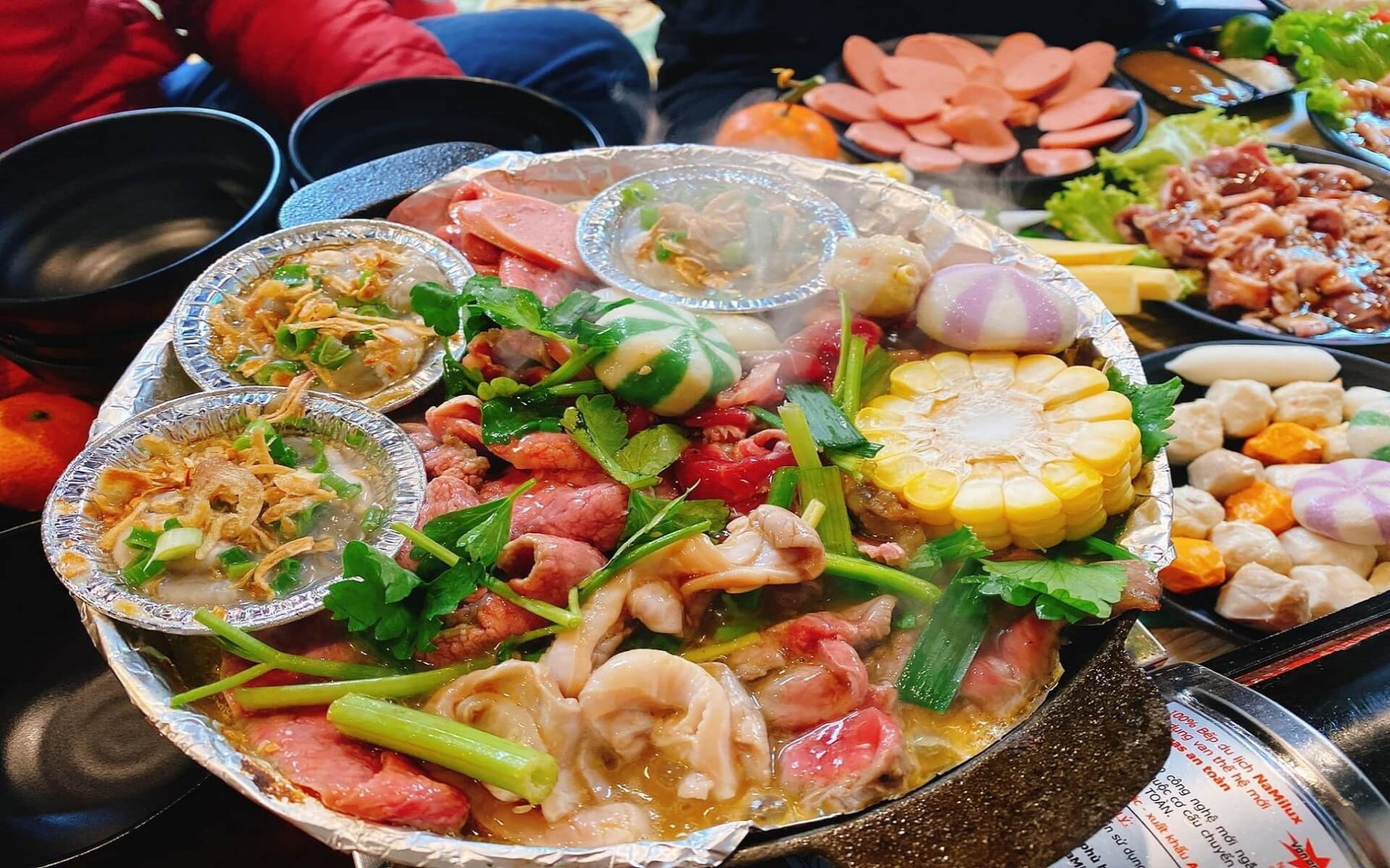
The Foundation: Start with a bed of high-yield carbohydrates (enoki mushrooms, corn, glass noodles) which absorb flavor and lower food cost.The Attraction: Layer seasoned protein (marinated beef, prawns, clams).The Finish: Top with a proprietary winter sauce (Spicy Sichuan or Garlic Butter).The Value: This assembly in a rectangular aluminum pan looks voluminous and generous to the customer, despite being strictly cost-controlled. The "En Papillote" (cooking in a pouch/tray) technique concentrates flavors, creating a dish that requires minimal skill to cook perfectly.
Versatility Across Service Channels: Dine-in to Delivery
Dine-in: Placed on a portable stove or charcoal grill at the table.Delivery: The customer receives a container that is oven-ready. They can reheat it effortlessly (recreating the "sizzle") without transferring it to a home plate. This capability positions your brand as a "Home Meal Solution," not just a takeaway, expanding market reach.
5. Procurement Resilience: Securing Inventory for Peak Demand
Vetting Metrics for High-Volume Suppliers
Key Metric 1 - Stock Depth: Does the supplier maintain local warehousing or are they drop-shipping? You need a partner with domestic stock, not just a catalog.Key Metric 2 - Certification: Demand the MSDS (Material Safety Data Sheet) and FDA/ISO compliance docs. In high-heat applications, alloy purity is non-negotiable for food safety compliance. Low-grade aluminum can leach metallic tastes, destroying the product experience.
The Loc Tu Supply Partnership Framework
Advisory Role: We don't just sell specs; we analyze your menu to recommend the exact gauge and depth required for your cooking method (Direct Flame vs. Oven).Supply Guarantee: We establish forecast-based inventory holding. If you project a 30% uplift in December, we allocate that stock physically to ensure zero downtime.Customization: Access to specific mold sizes that maximize your portion perception while minimizing food cost.This transforms the supplier relationship from a vendor to a strategic growth partner.
(Conclusion) Operational Excellence as a Competitive Shield
Loc Tu: Pioneering Excellence in Premium Aluminum Packaging Solutions
Why You Must Choose Loc Tu?
✅ Assured Quality & Safety: Crafted from premium, food-grade aluminum, free from harmful impurities, meeting international safety benchmarks.
🔥 Optimal Thermal Properties: Ensures even cooking and excellent heat retention, preserving food temperature and taste effectively.
💪 Durable & Convenient Design: Engineered to resist leaks and dents, providing reliable performance for baking, storage, and transport.
🔄 Versatile Solutions: Our extensive range caters to various applications – from baking and steaming to storing fresh food and takeaway meals.
🌱 Eco-Conscious Packaging: Made from 100% recyclable aluminum, supporting sustainability and reducing plastic waste.
🎯 Brand Enhancement: Optional custom printing available to personalize products and boost your brand visibility.
🚚 Reliable Supply & Delivery: Capable of handling large orders with dependable, on-schedule nationwide shipping.
Loc Tu – Trusted Manufacturer of Durable Aluminum Foil Containers and High-Quality, Food-Safe Aluminum Foil Rolls for Your Kitchen
Your Trusted Partner in Food Packaging 📞
📌 LOC TU MANUFACTURING & TRADING CO., LTD
📌 Our Vietnamese Website: Khaynhomthucpham.com
📌 HOTLINE/ZALO: 0969.787.309
📌 Facebook: Aluminum Foil Loc Tu
📌 Youtube: Aluminum Foil Loc Tu
📌 Tik Tok: Aluminum Foil Loc Tu
📌 Instagram: Aluminum Foil Loc Tu
📌 Shopee: Aluminum Foil Loc Tu
📌 Twitter/X: Aluminum Foil Loc Tu
📌 LinkedIn: Aluminum Foil Loc Tu
📌 Pinterest: Aluminum Foil Loc Tu
📌 Tumblr: Aluminum Foil Loc Tu
📌 Threads: Aluminum Foil Loc Tu
📌 Telegram: Aluminum Foil Loc Tu
📌 Whatsapp: 0969.787.309
📌 Branch 1 (Hanoi): No. 1 Pham Tu, Beasky Building, Dai Kim Ward, Hoang Mai District, Hanoi
📌 Branch 2 (Binh Duong): No. 68, DX 051 Street, Group 17, Quarter 4, Phu My Ward, Thu Dau Mot City, Binh Duong Province
📞 Contact us today for expert consultation and the best pricing on premium aluminum trays and foil packaging solutions! 🚀
LOC TU PRODUCTION AND TRADING COMPANY LIMITED
Branch 1 (Binh Duong): No. 68, DX 051 Street, Group 17, Quarter 4, Phu My Ward, Thu Dau Mot City.
Branch 2 (Hanoi): No. 1 Pham Tu, Beasky Building, Dai Kim Ward, Hoang Mai District.
Hotline/Zalo: +84.969787309
Website: Khaynhomthucpham.com
Email: [email protected]

