CHARCOAL-GRILLED SNAKEHEAD FISH IN FOIL: AN EXPOSITION OF VIETNAMESE RUSTIC CULINARY ART
(Introduction Title) Beyond a Recipe: A Living Cultural Artifact
In the vast and fertile tapestry of Vietnamese cuisine, certain dishes transcend mere sustenance to become living expressions of a region's soul. They are narratives told through flavor, texture, and ritual. Among these, Cá Lóc Nướng Than Giấy Bạc (Charcoal-Grilled Snakehead Fish in Aluminum Foil) stands as a profound testament to the culinary ingenuity of the Mekong Delta. This is not simply a method of cooking fish; it is an orchestrated event, a confluence of rustic simplicity and complex sensory engagement that speaks volumes about a land shaped by water, community, and an abundance of nature's gifts.
This document is not a simple recipe card. It is a gastronomic analysis. ✍️ Authored from the perspective of a deep culinary exploration, this exposition will deconstruct the layers of this iconic dish. We will trace its cultural provenance back to the sun-drenched riverbanks of Southern Vietnam. We will perform a granular breakdown of its core components and the symphony of the marinade. We will dissect the technical mastery required to harness the wild heat of charcoal. And we will choreograph the ritual of its final presentation and consumption. This analysis is engineered for the serious epicurean, the professional chef, and the cultural enthusiast who understands that the most profound dishes are not just eaten; they are experienced.
TABLE OF CONTENTS
The Cultural Provenance: Roots of a Mekong Delta Classic
Anatomy of a Dish: Deconstructing the Core Components
The Alchemical Process: Mastering Fire, Foil, and Fish
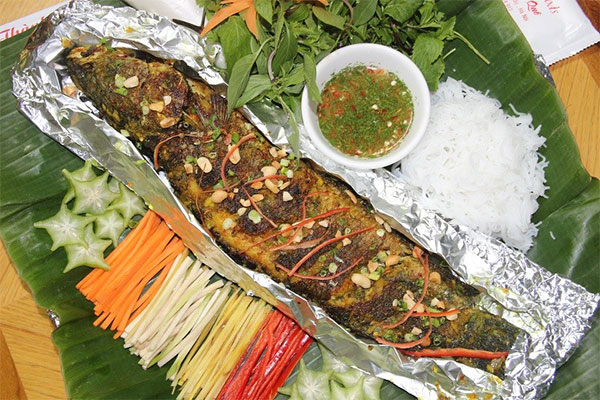
The Ritual of Assembly: Composing the Complete Experience
Culinary Polemics: Tradition and Modern Interpretation
1. The Cultural Provenance: Roots of a Mekong Delta Classic
The story of Cá Lóc Nướng Than Giấy Bạc is intrinsically linked to the geography and lifestyle of the Mekong Delta (Miền Tây). To understand the dish is to understand the rhythm of life in this "rice bowl" of Vietnam, where rivers serve as highways and the land's bounty dictates the daily menu.
The Genesis of a Riverside Delicacy
The Precursor: The most primordial form of this dish is Cá Lóc Nướng Trui, where a snakehead fish is impaled on a stick, buried in straw which is then set alight. This primal method imparts a unique smoky flavor but often results in a charred exterior and a high degree of variability.
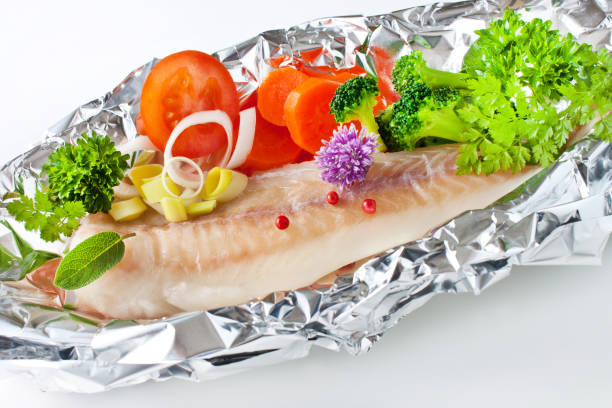
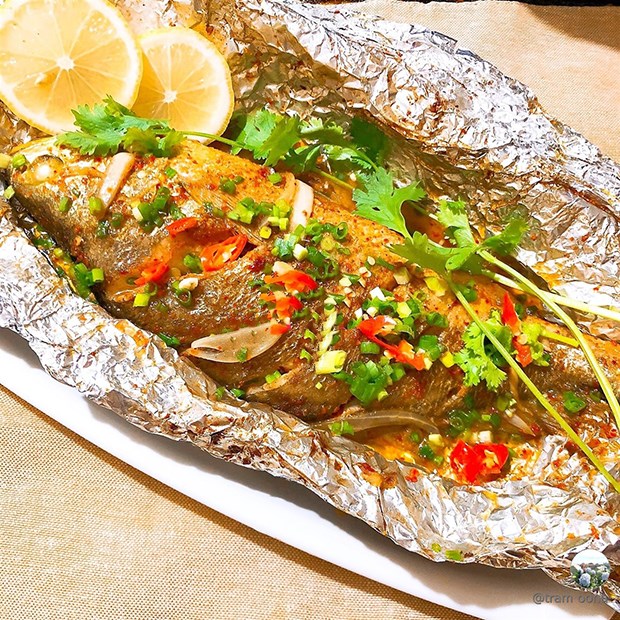
The Evolution: The introduction of aluminum foil was a technological leap that refined, rather than replaced, the original concept. It served as a modern analog to the traditional banana leaf, but with superior heat conduction and moisture retention. The foil packet created a micro-environment—a high-temperature steamer and roaster in one. This innovation allowed for the introduction of complex marinades and aromatic herbs inside the packet, something not feasible with the nướng trui method. The fish now steamed in its own juices and the infused flavors of lemongrass, garlic, and chili, all while still capturing the essential smoky essence from the charcoal fire below. This marked the evolution from a simple fisherman's meal to a more sophisticated, yet still profoundly rustic, culinary preparation.
Beyond Sustenance: A Symbol of Communal Feasting
The Setting: A weekend gathering at a family home in Cần Thơ, the heart of the Delta. The air is thick with the humidity, the scent of blossoming rambutans, and the impending smoke of coconut husk charcoal.
The Object of Focus: A large, glistening snakehead fish, procured from the morning market, lies as the centerpiece of the preparation area.
The Process: This is not a solitary act of cooking. An uncle expertly scales and prepares the fish. An aunt presides over the pounding of lemongrass and garlic for the marinade, her hands moving with generational muscle memory. Cousins are tasked with washing a mountain of fresh herbs—mint, basil, perilla—and slicing star fruit and green banana. The grilling itself is a social event, with men gathering around the fire, turning the foil-wrapped parcel, their conversation punctuated by the hiss and sizzle of the fish.
The Result: The meal is a shared experience. Everyone assembles their own rolls with rice paper, flaked fish, fresh greens, and noodles, engaging in the communal act of "cuốn và chấm" (roll and dip). This case demonstrates that the dish is not merely a product but a process—a catalyst for connection, storytelling, and the reinforcement of family and community bonds.
[IMAGE 1 DESCRIPTION]
Image Content: An atmospheric, wide-angle shot of a serene tributary in the Mekong Delta at dawn. A small wooden sampan boat glides on the water, lush green palm trees line the banks, and the water reflects the soft morning light.
Caption: The cradle of a culinary classic: the fertile and life-giving waterways of the Mekong Delta.
ALT Text: A tranquil scene of the Mekong Delta, the origin region of Charcoal-Grilled Snakehead Fish.
2. Anatomy of a Dish: Deconstructing the Core Components
The apparent simplicity of Cá Lóc Nướng Than Giấy Bạc belies a meticulous selection of ingredients and a precise preparation protocol. Each component is chosen for its specific contribution to the final, harmonious whole. A professional approach demands an understanding of these fundamental building blocks.
The Foundational Elements: Fish and Aromatics
Name: Culinary Specification Sheet (CSS-01)
Icon: 📋
Content:
The Fish (Cá Lóc): The species of choice is the Channa argus or Northern snakehead.
Optimal Size: 1.2kg - 1.5kg. This provides a thick fillet that remains moist during grilling and yields enough flesh for a communal meal.
Condition: Must be活魚 (live fish) or extremely fresh. Flesh should be firm, eyes clear, and gills a vibrant red. The natural slime coat should be clear, not cloudy.
Preparation: Methodical scaling (see H2-5), thorough gutting, and cleansing with coarse salt or lime to eliminate any potential muddy odor (mùi bùn).
The Aromatic Core: These are non-negotiable for authentic flavor.
Lemongrass (Sả): Use only the tender lower third of the stalk. It must be finely minced or pounded to a paste to release maximum essential oils.
Garlic (Tỏi): Use fresh, potent garlic cloves, coarsely chopped. Avoid pre-minced or granulated garlic.
Chili (Ớt): Small, potent bird's eye chilies are traditional. The quantity is adjusted for heat preference.
The Marinade Matrix: A Symphony of Five Tastes
Central Theme: The Flavor Alchemy of the Marinade
Branch 1: The Savory Base (Umami)
High-quality fish sauce (Nước Mắm): The primary source of salinity and deep umami.
Oyster Sauce (Dầu Hào): Adds a subtle sweetness, savory depth, and a glossy finish.
Branch 2: The Aromatic Pungency
The Aromatic Core (Lemongrass, Garlic, Chili): As defined in CSS-01. These create the foundational fragrance.
Shallots (Hành Tím): Finely chopped, provides a sweeter, less aggressive allium note than garlic.
Black Pepper (Tiêu): Coarsely ground for pockets of spice.
Branch 3: The Sweet Counterpoint
Rock Sugar or Palm Sugar (Đường Phèn/Thốt Nốt): Provides a clean, complex sweetness to balance the saltiness of the fish sauce.
Honey (Mật Ong): Often added for a richer sweetness and to aid in caramelization.
Branch 4: The Functional Elements
Annatto Oil (Dầu Màu Điều): Imparts a vibrant reddish-orange hue and a faint, earthy flavor.
Vegetable Oil (Dầu Ăn): Acts as a binding agent for the marinade and prevents the fish from sticking to the foil.
3. The Alchemical Process: Mastering Fire, Foil, and Fish
The transformation of the marinated fish into a succulent masterpiece is an act of controlled alchemy. It is here that technique reigns supreme, where the management of intense heat and the integrity of the foil packet determine success or failure.
A Technical Analysis of Heat: The Primacy of Charcoal
Scenario A - The Controlled Environment (Gas Grill / Conventional Oven):
This method provides consistent, easily regulated heat. It will cook the fish thoroughly. However, it fails on a critical sensory dimension. The heat is primarily convective and radiative, lacking the intense, direct infrared radiation of charcoal. The result is a fish that is effectively baked or roasted. The flesh is cooked, but it lacks the characteristic wisp of smoke and the subtle Maillard reactions on the fish skin that come from a more volatile heat source.
Scenario B - The Alchemical Method (Charcoal Fire):
Charcoal, particularly traditional coconut husk or hardwood charcoal (than củi), provides an unparalleled quality of heat.
Intense Infrared Radiation: This heat penetrates the foil more effectively, cooking the fish quickly and evenly, ensuring the inside steams while the outside roasts.
Smoke Impartation (Hương Khói): As embers smolder and fat drips create small flare-ups, volatile aromatic compounds are created. These smoky notes permeate the foil, infusing the fish with an irreplaceable, rustic fragrance that is the signature of the dish.
Conclusion: While other methods are functional, they cannot replicate the complete sensory profile delivered by a live charcoal fire. For this specific application, charcoal is not merely a heat source; it is a critical ingredient.
The Encapsulation Protocol: A Walkthrough for Flawless Execution
Preparation of the Foil Bed: Lay two large, overlapping sheets of heavy-duty aluminum foil on a flat surface. The total area should be at least three times the length of the fish.
Creating the Aromatic Base: Arrange a bed of coarsely crushed lemongrass stalks, kaffir lime leaves, and scallion heads in the center of the foil. This elevates the fish, preventing it from sticking and steaming it from below with fragrant vapor.
Applying the Marinade: Gently pat the fish dry. Systematically rub the marinade matrix over the entire surface and, crucially, into the scored slits and the body cavity. Let it sit for a minimum of 30 minutes.
Positioning and Stuffing: Place the marinated fish onto the aromatic bed. Stuff the body cavity with a portion of the leftover marinade and whole scallions.
The Double-Wrap Seal: Bring the long sides of the foil together over the fish. Fold them down multiple times, creating a tight, waterproof seam. Then, fold and crimp the two ends securely, forming a completely sealed, rectangular parcel. This seal is critical to trap steam and prevent juices from leaking into the fire.
The Grill Phase: Place the parcel on a hot charcoal grill. Cook for approximately 15-20 minutes per side, depending on the heat of the coals and the size of the fish. The parcel will puff up as steam builds inside. A successful outcome is a parcel that is lightly browned and sizzling.
[IMAGE 3 DESCRIPTION]
Image Content: A close-up, dynamic action shot. The foil-wrapped fish is on a charcoal grill. Coals are glowing red underneath. A wisp of fragrant smoke is rising, and the foil packet is puffed up and lightly charred in places, indicating the intense heat.
Caption: The crucial interaction of fire and foil, where intense heat and trapped steam work in concert to cook the fish to perfection.
ALT Text: A foil-wrapped snakehead fish being grilled over hot charcoal.
4. The Ritual of Assembly: Composing the Complete Experience
The enjoyment of Cá Lóc Nướng Than Giấy Bạc is not a passive act of consumption. It is an interactive, creative process of assembly. The perfectly grilled fish is merely the star player; the accompaniments are the indispensable supporting cast that elevates the experience into a culinary event.
The Ecosystem of Accompaniments: A Harmony of Tastes and Textures
The presentation platter is a vibrant ecosystem designed for personal customization. Each element has a distinct role.
Module 1: The Wrapper & Foundation
Rice Paper (Bánh Tráng): Thin, dried rice paper sheets that are rehydrated in water just before use, becoming the pliable vessel for the roll.
Rice Vermicelli (Bún Tươi): Fresh, soft rice noodles that provide a neutral, starchy base and a pleasingly soft texture.
Module 2: The Herbaceous Array (Rau Thơm)
Cooling Herbs: Mint (Húng Cây), Fish Mint (Diếp Cá - for the adventurous palate).
Aromatic Herbs: Thai Basil (Húng Quế), Perilla Leaf (Tía Tô).
Structural Greens: Lettuce, Mustard Greens (Cải Xanh).
Module 3: The Sour & Crisp Accents
Green Banana (Chuối Chát): Sliced paper-thin and soaked in lime water, it provides an astringent, crunchy counterpoint.
Star Fruit (Khế Chua): Also sliced thin, it adds a crisp, distinctly sour bite.
Pineapple (Thơm/Dứa): Sliced into thin spears, providing a sweet-tart juiciness.
Cucumber: Provides a cool, watery crunch.
The Soul of the Dish: Crafting the Signature Dipping Sauces
A roll without a dip is an incomplete thought. The sauce is the final element that unifies all other components. Two sauces are preeminent.
Process A: Nước Mắm Chấm (Sweet & Sour Fish Sauce)
Dissolve the Sugar: In a bowl, combine 3 tablespoons of sugar with 4 tablespoons of warm water and 2 tablespoons of lime juice. Stir until the sugar is completely dissolved.
Incorporate Fish Sauce: Slowly stir in 3 tablespoons of high-quality fish sauce. The ratio of sugar:lime:fish sauce can be adjusted to personal taste, but a 1:1:1 base is common.
Add Aromatics: Finely mince 2 cloves of garlic and 1 bird's eye chili. Add them to the sauce just before serving to preserve their fresh, pungent kick.
Process B: Mắm Nêm (Fermented Anchovy Dipping Sauce)
Prepare the Base: In a small saucepan, gently heat 4 tablespoons of water.
Combine Ingredients: Add 3 tablespoons of mắm nêm (a potent, dark fermented fish sauce), 2 tablespoons of sugar, and 1 tablespoon of lime juice.
Simmer & Infuse: Stir and bring to a gentle simmer. Add a finely minced stalk of lemongrass, 2 minced garlic cloves, and a generous amount of chopped pineapple and chili.
Cool & Serve: Simmer for 2 minutes to allow the flavors to meld. Let it cool completely. The pineapple both sweetens and tenderizes the powerful sauce. This is considered the more traditional and robustly flavored choice.
5. Culinary Polemics: Tradition and Modern Interpretation
Like any great culinary tradition, Cá Lóc Nướng Than Giấy Bạc is a subject of passionate debate and continuous evolution. Discussions around technique and presentation reflect a healthy tension between preserving rustic authenticity and embracing contemporary refinement.
The Chef's Polemic: To Scale or Not to Scale
The Traditionalist Argument (Leave Scales On): "The scales are a natural armor. Grilling the fish with scales intact creates a barrier that protects the delicate flesh from the harsh, direct heat. The moisture is locked in, steaming the meat from the inside. When the fish is done, you peel back the entire skin-and-scale layer like a jacket, revealing a perfectly pristine, succulent fillet. This is the authentic, rustic method. Removing the scales is a betrayal of the dish's origin."
The Modernist Counter-Argument (Remove Scales): "The traditional view is romantic but technically flawed. Leaving the scales on prevents the marinade from penetrating the skin and seasoning the flesh directly. It creates a barrier to flavor. By removing the scales and scoring the skin, we allow the marinade to infuse deeply. The skin itself becomes edible—crisp in some spots, gelatinous in others—adding another layer of texture. We can manage moisture with a proper foil-wrapping technique; we don't need the scales as a crude tool. It's about maximizing flavor, not just cooking."
New Horizons: Fine Dining Presentations and Innovations
While its heart remains in the rustic riverside eateries of the Mekong Delta, the concept of grilled fish in a fragrant parcel has been adopted and adapted by high-end Vietnamese restaurants globally.
Deconstructed Presentations: Chefs are deconstructing the dish, serving a perfectly grilled, deboned fillet of snakehead (or a more premium fish like sea bass) alongside elegantly arranged individual components, allowing diners to appreciate each element's quality.
Aromatic Infusion Innovations: The technique of aromatic steaming is being elevated. Instead of simple lemongrass, chefs are using smoked wood chips, star anise, or cinnamon bark inside the foil to impart more complex aromas.
Sauce Refinement: Signature dipping sauces are being refined. Mắm Nêm might be clarified into a more delicate "essence," or Nước Mắm Chấm might be infused with passion fruit or tamarind for a novel twist. These adaptations honor the spirit of the original while pushing the boundaries of its execution, ensuring the dish remains a dynamic and relevant part of Vietnam's evolving culinary identity.
[IMAGE 5 DESCRIPTION]
Image Content: A beautifully composed shot of the final product. One hand is holding a delicate, translucent rice paper roll, expertly filled with white fish, green herbs, and vermicelli. The roll is poised just above a small bowl of dark, rich Mắm Nêm sauce, about to be dipped. The focus is sharp on the roll and the sauce.
Caption: The culmination of the entire process: the perfectly assembled roll, ready for the final, transformative dip.
ALT Text: A finished Vietnamese spring roll made with grilled snakehead fish, poised over a bowl of dipping sauce.
(Conclusion Title) A Complete Sensory Statement: The Enduring Power of a Rustic Classic
This deep analysis of Cá Lóc Nướng Than Giấy Bạc reveals that its enduring appeal lies in its completeness. It is a dish that engages all the senses, from the crackle of the charcoal fire to the vibrant sight of the fresh herbs, the aromatic steam that erupts from the foil, and the final, tactile act of rolling and dipping. It is at once a testament to historical ingenuity and a platform for modern creativity.
The evidence is undeniable: this dish is far more than the sum of its parts. It is a strategic exercise in flavor balancing, a technical masterclass in heat management, and a profound cultural symbol of community. By moving beyond a simple appreciation of its taste and delving into its provenance, technique, and rituals, we gain a deeper respect for the rustic genius of Mekong Delta cuisine. It is a strategic investment in time and effort that yields an extraordinary return on the culinary and cultural palate. 🏆📈
Loc Tu: Pioneering Excellence in Premium Aluminum Packaging Solutions
At the forefront of the food packaging industry, Loc Tu Manufacturing & Trading Co., Ltd. stands as a premier manufacturer and supplier of high-quality aluminum trays and foil rolls. We are dedicated to providing innovative, safe, and reliable packaging solutions tailored to the dynamic needs of the modern food landscape. Our foundation is b0uilt upon state-of-the-art manufacturing facilities, equipped with advanced production lines engineered for precision and efficiency. This technological edge allows Loc Tu to consistently deliver aluminum trays and foil rolls that not only meet but exceed rigorous international food safety standards.
Why You Must Choose Loc Tu?
✅ Assured Quality & Safety: Crafted from premium, food-grade aluminum, free from harmful impurities, meeting international safety benchmarks.
🔥 Optimal Thermal Properties: Ensures even cooking and excellent heat retention, preserving food temperature and taste effectively.
💪 Durable & Convenient Design: Engineered to resist leaks and dents, providing reliable performance for baking, storage, and transport.
🔄 Versatile Solutions: Our extensive range caters to various applications – from baking and steaming to storing fresh food and takeaway meals.
🌱 Eco-Conscious Packaging: Made from 100% recyclable aluminum, supporting sustainability and reducing plastic waste.
🎯 Brand Enhancement: Optional custom printing available to personalize products and boost your brand visibility.
🚚 Reliable Supply & Delivery: Capable of handling large orders with dependable, on-schedule nationwide shipping.
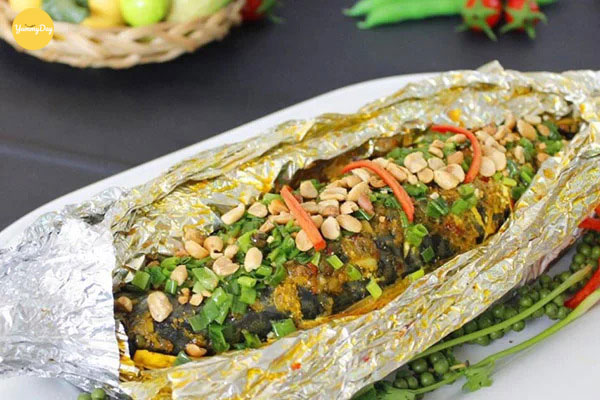
Loc Tu – Trusted Manufacturer of Durable Aluminum Foil Containers and High-Quality, Food-Safe Aluminum Foil Rolls for Your Kitchen
Your Trusted Partner in Food Packaging 📞
Loc Tu Manufacturing & Trading Co., Ltd. is more than just a supplier; we are your strategic partner in delivering high-caliber aluminum food packaging solutions. Specializing in a comprehensive range of aluminum trays, versatile foil rolls, and convenient disposable food containers.
We serve a diverse clientele – from individual households and local food vendors to large-scale restaurants, catering companies, and prestigious hotel chains. Our unwavering dedication to safety, sustainability, innovation, and customer satisfaction makes us the trusted choice for businesses and consumers seeking reliable, high-performance packaging.
📌 LOC TU MANUFACTURING & TRADING CO., LTD
📌 Our Vietnamese Website: Khaynhomthucpham.com
📌 HOTLINE/ZALO: 0969.787.309
📌 Facebook: Aluminum Foil Loc Tu
📌 Youtube: Aluminum Foil Loc Tu
📌 Tik Tok: Aluminum Foil Loc Tu
📌 Instagram: Aluminum Foil Loc Tu
📌 Shopee: Aluminum Foil Loc Tu
📌 Twitter/X: Aluminum Foil Loc Tu
📌 LinkedIn: Aluminum Foil Loc Tu
📌 Pinterest: Aluminum Foil Loc Tu
📌 Tumblr: Aluminum Foil Loc Tu
📌 Threads: Aluminum Foil Loc Tu
📌 Telegram: Aluminum Foil Loc Tu
📌 Whatsapp: 0969.787.309
📌 Branch 1 (Hanoi): No. 1 Pham Tu, Beasky Building, Dai Kim Ward, Hoang Mai District, Hanoi
📌 Branch 2 (Binh Duong): No. 68, DX 051 Street, Group 17, Quarter 4, Phu My Ward, Thu Dau Mot City, Binh Duong Province
📞 Contact us today for expert consultation and the best pricing on premium aluminum trays and foil packaging solutions! 🚀

