COOKING WITH ALUMINUM FOIL: A SCIENTIFIC CHEF'S GUIDE TO MASTERING
COOKING WITH ALUMINUM FOIL: A SCIENTIFIC CHEF'S GUIDE TO MASTERING TECHNIQUES
(Introduction Title) Beyond Convenience: Understanding the Science of a Culinary Tool
TABLE OF CONTENTS
The First Principle: The Science of Heat Transfer When Cooking with Aluminum Foil Dry-Heat Mastery: Roasting and Grilling Techniques Moist-Heat Mastery: Steaming and Braising Applications Advanced Applications: Creative & Unconventional Techniques The Safety Protocol: The Non-Negotiable Rules of Cooking with Aluminum Foil
1. The First Principle: The Science of Heat Transfer When Cooking with Aluminum Foil
The scientific principles of heat transfer when cooking with aluminum foil
Conduction: This is heat transfer through direct contact. When you place food on a foil-lined tray, the aluminum (a superior conductor) rapidly transfers heat to the base of the food. This promotes browning and crisping.Convection: This is heat transfer through the movement of hot air. When you create a sealed foil packet, you trap this hot air and steam. This creates a highly efficient "mini-convection oven," cooking the food from all sides simultaneously with moist heat.Radiation: This is heat transfer via infrared waves from the oven's heating elements. The shiny surface offood grade aluminum foil is highly reflective. It can reflect up to 97% of this radiant heat. This property can be used strategically to shield parts of the food from overcooking.
How material properties influence cooking with aluminum foil
Name: Key Material PropertiesIcon: 🔬Content: Impermeability: As a solid metal sheet, foil is a 100% barrier to moisture and gas. This is the foundation of its ability to lock in flavor and prevent food from drying out.Malleability (Dead-Fold): The ability to be easily shaped and to hold that shape without springing back. This allows the creation of custom packets, tents, and shields.Thermal Stability: It can withstand extreme temperature variations, from deep-freeze storage to high-heat broiling, without degrading. This makes it an incredibly versatile material across the entire kitchen workflow.
Image Content: A professional scientific diagram illustrating a sealed foil packet inside an oven. Arrows clearly depict the three heat transfer modes: Conduction from the bottom, Convection of steam inside, and Radiation being reflected by the top surface.Caption: A scientific breakdown of the thermal dynamics inside a foil packet.ALT Text: A diagram showing the science of heat transfer when cooking with aluminum foil.
2. Dry-Heat Mastery: Roasting and Grilling Techniques
The "Seal and Sear" technique for roasting
Step 1: The Seal. A well-marinated piece of meat is tightly wrapped in heavy-duty foil. This creates a sealed, moist-heat environment.Step 2: The Slow Roast. The sealed packet is roasted at a low temperature (e.g., 160°C / 320°F) for several hours. During this phase, the trapped steam breaks down tough connective tissues (collagen).Step 3: The Sear (or "Reverse Sear"). The foil is opened or removed. The oven temperature is increased significantly (e.g., 230°C / 450°F).Step 4: The Finish. The meat is roasted for a final 15-20 minutes. This allows the surface moisture to evaporate quickly, creating a deep brown, flavorful crust via the Maillard reaction. This is one of thebest way to cook with foil .
The "Tenting and Shielding" technique for control
The Problem: When roasting a whole chicken or turkey, the breast meat and wing tips often cook faster and burn before the thighs are done.Argument for Tenting: By creating a loose "tent" of foil over the breast for the initial part of the cooking, you are using the foil's reflective properties. You are shielding the delicate breast meat from direct radiant heat, allowing it to cook more gently while the thighs catch up.Argument for Shielding: For smaller, more vulnerable areas like the wing tips, a direct wrap (shielding) is more precise. It provides a more targeted block of the intense heat.
3. Moist-Heat Mastery: Steaming and Braising Applications
The "En Papillote" technique analysis
The Case: A high-end restaurant wants to serve a delicate sea bass dish that is both flavorful and dramatic.The Challenge: Traditional pan-searing can easily overcook the fish. Traditional steaming can dilute the flavors.The Foil Solution ("En Papillote"): A fillet of sea bass, julienned vegetables, fresh herbs, and a splash of white wine are sealed in a tightly crimped foil pouch. When baked, the liquid turns into aromatic steam, which gently cooks the fish and vegetables. The sealed packet is served directly to the guest. It is cut open at the table, releasing a fragrant cloud of steam for a multi-sensory experience.
The Result: The fish is perfectly cooked, moist, and infused with the flavor of all the ingredients. This is a primary example of how foil creates perfectfoil packet meals .
Improvised braising with foil
Traditional Braising: Requires a heavy, lidded pot (like a Dutch oven). The pot provides a sealed environment for slow cooking in liquid.The Foil "Evolution": An aluminum foil container or a foil-lined baking dish can perfectly replicate this.Step 1: The main ingredient (e.g., short ribs) is seared and placed in a deep foil pan.Step 2: Braising liquid and aromatics are added.Step 3: Instead of a heavy lid, the pan is sealed with a double layer of heavy-duty foil.The Result: The foil creates an airtight seal that is often even tighter than a standard pot lid. This prevents moisture loss over a long cooking period, yielding incredibly tender braised dishes.
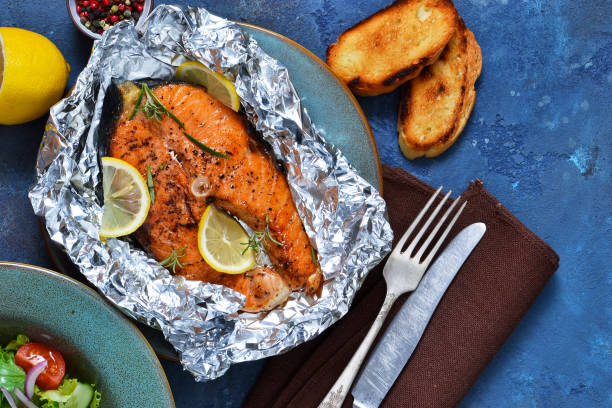
Image Content: A professional chef is skillfully crimping the edges of an "en papillote" pouch, showing the technique for creating a perfect seal.Caption: The airtight seal is the technical secret behind the "en papillote" method.ALT Text: A chef demonstrating one of the key techniques of cooking with aluminum foil.
4. Advanced Applications: Creative & Unconventional Techniques
Using foil as a custom cooking vessel
The Component: Multiple layers of heavy-duty aluminum foil.The Formula: By folding and shaping these layers, you can create:A makeshift roasting rack: Crumple foil into thick ropes or rings. Place them in the bottom of a pan to elevate a roast, allowing air to circulate.A custom baking mold: Create any shape you need for a cake when you don't have the right pan.A grill-top "skillet": Form a shallow tray to cook small, delicate items like shrimp or chopped vegetables on a barbecue grill.
Flavor infusion techniques
The Myth: "Foil just keeps things moist; it doesn't add flavor."The Truth: 🧐 Foil can be used as a vehicle for flavor infusion.The Smoker Pouch: Wrap soaked wood chips in a foil pouch. Poke holes in it. Place it on your charcoal or gas grill. It will slowly release flavorful smoke, turning your grill into a smoker.The Herb Brush: Tightly tie a bundle of sturdy herbs (like rosemary or thyme) to the end of a wooden spoon using a strip of foil. Use this to baste meats on the grill. The foil protects your hand from the heat, and the herbs directly infuse their flavor.
5. The Safety Protocol: The Non-Negotiable Rules of Cooking with Aluminum Foil
The material safety guidelines
Argument (Concern): "Is cooking with aluminum foil safe from a chemical perspective?"Scientific Rebuttal: "Yes, when used correctly. The risk of aluminum leaching is a valid topic, but it is often misunderstood.Is it safe to cook with aluminum foil ? For the vast majority of applications, yes. The protective oxide layer is very stable."The Exception: "However, prolonged contact with highly acidic or highly saline foods (e.g., tomato sauce, brines) can degrade this layer and increase migration. It is best practice to avoid using foil for long-term storage or cooking of these specific food types. Use glass or ceramic instead for these cases."
The operational safety checklist
[✅] Do you use foil in the microwave? (This should be a NO, unless the product is specifically rated for it. It is a severe fire risk).[✅] Do you use heavy-duty foil for heavy tasks? (Using thin foil for a heavy roast is a spilling and burning hazard).[✅] Do you ensure foil does not touch open flames or heating elements directly? (This can cause it to burn or melt).[✅] Do you choose reputable brands? Brands likeLoc Tu guarantee their foil isfood grade aluminum foil , ensuring material safety from the start.
Image Content: A clear infographic with two columns: "Safe For" and "Avoid." Under "Safe For" are icons for an oven and a grill. Under "Avoid" is a large, crossed-out icon of a microwave oven.Caption: The number one rule of operational safety: know which appliance to use.ALT Text: A safety protocol guide for cooking with aluminum foil.
6. Conclusion: A Masterclass in Material and Method
A summary of the core principles of cooking with aluminum foil
"Mastery in the kitchen comes from controlling variables. Aluminum foil, when understood correctly, gives the chef an unparalleled level of control over three critical variables: moisture, temperature, and contamination. It is this control that allows for consistency and excellence. It is not a crutch for amateurs; it is a precision tool for experts."
Final recommendations for the culinary professional
Invest in Quality: Always use a heavy-duty, food-grade foil from a trusted supplier. The consistency of a product likeLoc Tu is a professional necessity.Master the Techniques: Practice both dry-heat and moist-heat applications. Understand when to seal tightly and when to tent loosely.Adhere to Safety: Never compromise on the established safety protocols.Innovate: Use this foundational knowledge to experiment and create your own signature techniques.By integrating these principles, you will truly unlock the full potential of this remarkable culinary tool.
(Conclusion Title) Cooking with Aluminum Foil: A Convergence of Science and Art
Loc Tu: Pioneering Excellence in Premium Aluminum Packaging Solutions
Why You Must Choose Loc Tu?
✅ Assured Quality & Safety: Crafted from premium, food-grade aluminum, free from harmful impurities, meeting international safety benchmarks.
🔥 Optimal Thermal Properties: Ensures even cooking and excellent heat retention, preserving food temperature and taste effectively.
💪 Durable & Convenient Design: Engineered to resist leaks and dents, providing reliable performance for baking, storage, and transport.
🔄 Versatile Solutions: Our extensive range caters to various applications – from baking and steaming to storing fresh food and takeaway meals.
🌱 Eco-Conscious Packaging: Made from 100% recyclable aluminum, supporting sustainability and reducing plastic waste.
🎯 Brand Enhancement: Optional custom printing available to personalize products and boost your brand visibility.
🚚 Reliable Supply & Delivery: Capable of handling large orders with dependable, on-schedule nationwide shipping.
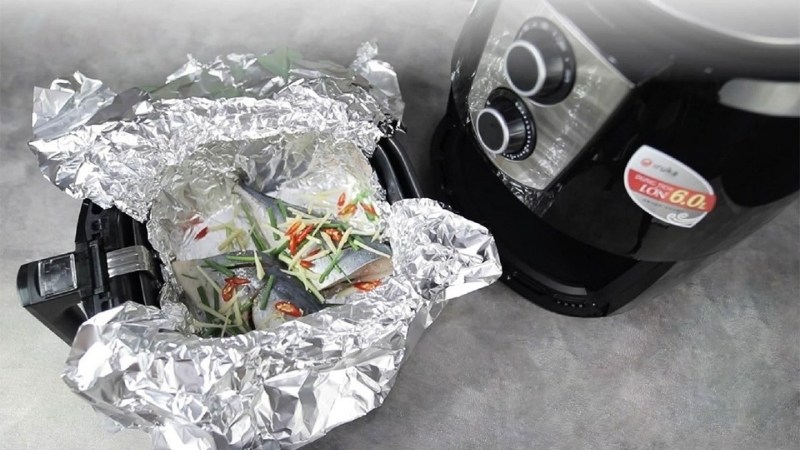
Loc Tu – Trusted Manufacturer of Durable Aluminum Foil Containers and High-Quality, Food-Safe Aluminum Foil Rolls for Your Kitchen
Your Trusted Partner in Food Packaging 📞
📌 LOC TU MANUFACTURING & TRADING CO., LTD
📌 Our Vietnamese Website: Khaynhomthucpham.com
📌 HOTLINE/ZALO: 0969.787.309
📌 Facebook: Aluminum Foil Loc Tu
📌 Youtube: Aluminum Foil Loc Tu
📌 Tik Tok: Aluminum Foil Loc Tu
📌 Instagram: Aluminum Foil Loc Tu
📌 Shopee: Aluminum Foil Loc Tu
📌 Twitter/X: Aluminum Foil Loc Tu
📌 LinkedIn: Aluminum Foil Loc Tu
📌 Pinterest: Aluminum Foil Loc Tu
📌 Tumblr: Aluminum Foil Loc Tu
📌 Threads: Aluminum Foil Loc Tu
📌 Telegram: Aluminum Foil Loc Tu
📌 Whatsapp: 0969.787.309
📌 Branch 1 (Hanoi): No. 1 Pham Tu, Beasky Building, Dai Kim Ward, Hoang Mai District, Hanoi
📌 Branch 2 (Binh Duong): No. 68, DX 051 Street, Group 17, Quarter 4, Phu My Ward, Thu Dau Mot City, Binh Duong Province
📞 Contact us today for expert consultation and the best pricing on premium aluminum trays and foil packaging solutions! 🚀
LOC TU PRODUCTION AND TRADING COMPANY LIMITED
Branch 1 (Binh Duong): No. 68, DX 051 Street, Group 17, Quarter 4, Phu My Ward, Thu Dau Mot City.
Branch 2 (Hanoi): No. 1 Pham Tu, Beasky Building, Dai Kim Ward, Hoang Mai District.
Hotline/Zalo: +84.969787309
Website: Khaynhomthucpham.com
Email: [email protected]

