FAST-FOOD ALUMINUM FOIL PACKAGING: A STRATEGIC B2B PROCUREMENT GUIDE
(Introduction Title) Beyond a Wrap: Packaging as a Performance Driver
In the relentless, high-velocity world of the fast-food and Quick Service Restaurant (QSR) industry, seconds are the currency and consistency is king. At the critical nexus of speed, thermal integrity, and customer experience lies a seemingly mundane item: aluminum foil packaging. However, to categorize it as a simple "wrap" or "container" is a profound strategic miscalculation. The procurement of fast-food aluminum foil packaging—be it rolls, interfolded sheets, or containers—is a decision that echoes through every facet of the operation, from the heat of the production line to the final "first impression" in the customer's hands.
This document is not a product catalog; it is a strategic procurement framework. ✍️ Developed for QSR franchisees, operations managers, and supply chain directors, this in-depth guide will dismantle the assumptions surrounding foil packaging. We will go beyond the superficial price-per-roll analysis to establish a rigorous protocol for technical vetting. We will dissect the Total Cost of Consumption (TCC) to reveal the true ROI of investing in premium materials. Finally, we will outline the blueprint for building a resilient supply chain partnership. This guide is engineered for industry professionals who recognize that the right packaging is not an expense—it is a critical enabler of the brand promise.
TABLE OF CONTENTS
The Strategic Imperative of Quality Aluminum Foil Packaging in Fast Food
Deconstructing Quality: Technical Specifications for Fast-Food Foil
The True Economics: Beyond Per-Unit Cost in Foil Procurement
Operational Excellence: Integrating Foil Packaging into the Fast-Food Workflow
Forging a Partnership: Selecting the Right Foil Packaging Supplier
1. The Strategic Imperative of Quality Aluminum Foil Packaging in Fast Food
Moving from ad-hoc retail purchases of aluminum foil to a centralized, strategic procurement model is a hallmark of a mature QSR operation. This transition unlocks significant competitive advantages in brand perception, operational efficiency, and customer satisfaction. It is a deliberate shift from a tactical necessity to a strategic asset.
The Evolving Role of Aluminum Foil: From Basic Containment to Brand Ambassador
The Case: "Urban Burrito," a fast-casual chain with 12 locations, experiencing rapid growth.
The Problem (The "Before"): Individual store managers were buying generic, thin-gauge foil rolls from local cash-and-carry wholesalers. This resulted in a cascade of issues: the foil tore easily when wrapping loaded burritos, leading to messy leaks. Its poor "dead-fold" characteristics meant wraps would loosen in transit. Crucially, the inconsistent thermal performance resulted in customer complaints about lukewarm food, a critical failure for a delivery-focused brand.
The Solution (The "After"): The corporate operations team partnered with a specialized foodservice packaging supplier to source a custom, heavy-duty, embossed interfolded foil sheet. The sheets were pre-cut to the exact size needed for their signature burritos, eliminating guesswork and waste.
The Result: The strategic shift yielded immediate and measurable benefits. Wrapping time per order decreased by an average of 4 seconds due to the pre-cut sheets. The stronger material eliminated tearing, reducing food waste and ingredient loss from remakes by 95%. Most importantly, customer satisfaction scores related to food temperature and delivery quality rose by 18% within three months. The foil was no longer just a wrap; it became a guarantor of quality.
The Core Strategic Advantages of Professional-Grade Foil Sourcing
Strength - Enhanced Thermal Performance: Professional-grade foodservice foil offers superior heat retention compared to consumer-grade alternatives. This ensures the product (e.g., a burger, burrito, or grilled sandwich) is delivered to the customer at the optimal temperature, directly impacting their sensory experience and overall satisfaction.
Strength - Operational Throughput: Sourcing purpose-built solutions like interfolded sheets or rolls in professional-grade dispensers dramatically increases the speed and efficiency of the food wrapping station. In a QSR environment, saving a few seconds per order translates into significant labor cost savings and higher peak-hour capacity.
Opportunity - Brand Consistency and Enhancement: Utilizing a single, high-quality foil product across all franchise locations ensures a consistent customer experience. Furthermore, suppliers can offer custom printing and embossing, turning a functional item into a powerful, tactile branding tool that reinforces brand identity and perceived value.
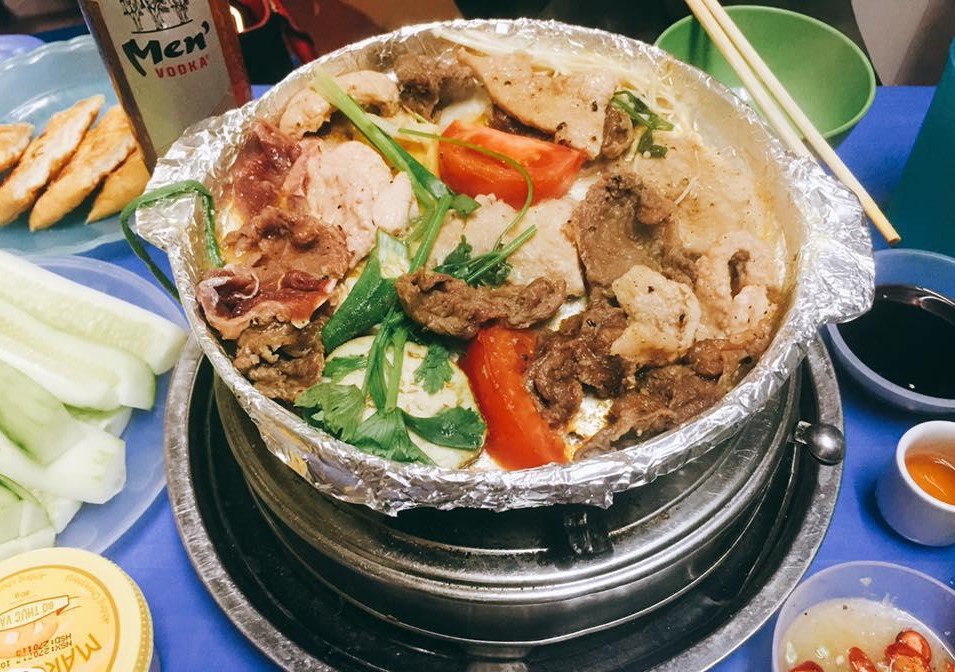
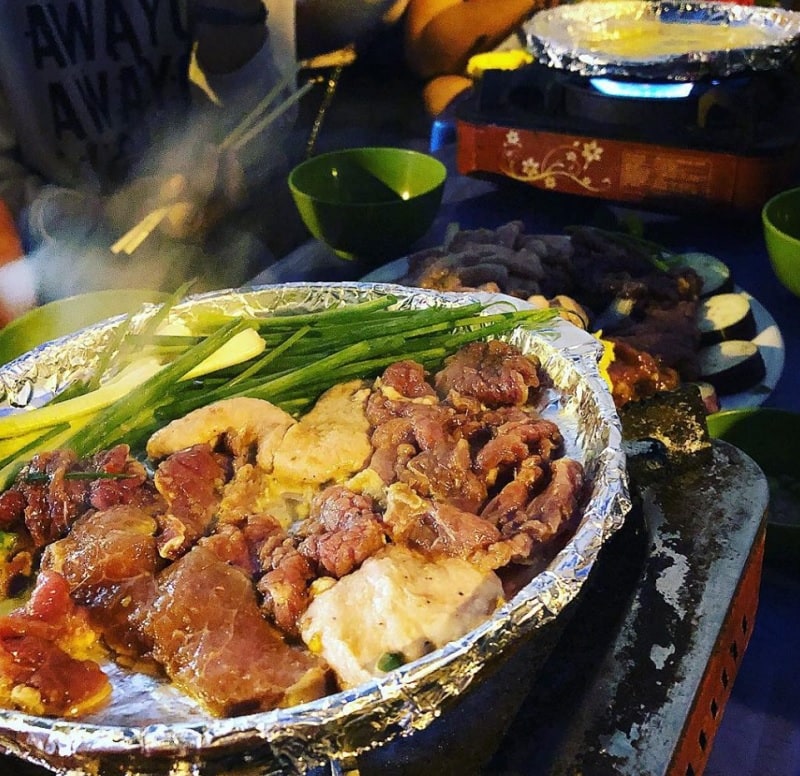
Opportunity - Menu Innovation and Versatility: Heavy-duty, oven-safe aluminum foil containers and wraps enable new menu possibilities. This includes offering "melt-style" items finished in a high-speed oven, "take-and-bake" side dishes for customers to prepare at home, or premium meal kits that leverage the foil's durability and cooking performance.
[IMAGE 1 DESCRIPTION]
Image Content: A professional side-by-side comparison diagram. The left side, labeled "Fragmented Sourcing," shows multiple generic retail store logos pointing arrows toward a single restaurant icon, creating a chaotic look. The right side, labeled "Strategic Partnership," shows one professional supplier logo with a single, strong, clean arrow pointing to the restaurant icon, with smaller icons representing "Consistency," "Efficiency," and "Brand Value" along the arrow.
Caption: A strategic sourcing model streamlines operations and elevates the brand promise.
ALT Text: Diagram illustrating the benefits of strategic supplier partnership for fast-food aluminum foil packaging.
2. Deconstructing Quality: Technical Specifications for Fast-Food Foil
For a QSR chain that serves thousands of items a day, product consistency is a non-negotiable pillar of success. A single batch of substandard foil can lead to widespread operational friction and customer dissatisfaction. A professional procurement process, therefore, must be built on a foundation of rigorous, data-driven technical vetting.
Essential Material and Performance Specifications for Procurement
Name: Procurement Specification Sheet (PSS-F01 - Foodservice Foil)
Icon: 📋
Content:
Food-Grade Certification: Non-negotiable. The supplier MUST provide documentation verifying the aluminum alloy is FDA-compliant (or equivalent local authority) for direct food contact. This includes assurances that the material is free from harmful chemicals, heavy metals, and contaminants.
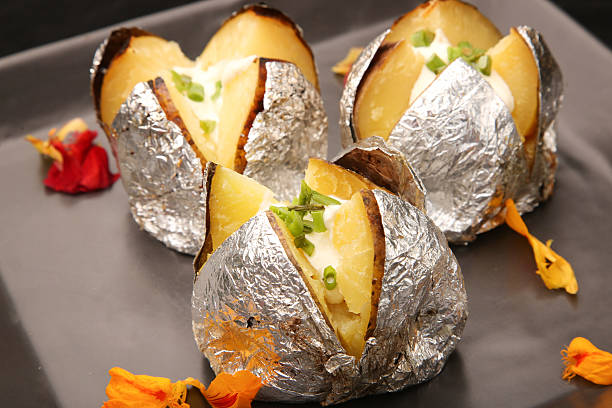
Gauge (Thickness): This is the single most important physical metric. Measured in microns (µm) or mils. Standard-duty retail foil is often <15 µm. Professional "Heavy-Duty" foodservice foil required for burgers, burritos, and hot sandwiches should be specified at a minimum of 16-20 µm for superior puncture resistance and heat retention.
Dead-Fold Characteristics: This refers to the foil's ability to be folded and creased tightly around a food item and stay in that shape without springing back. Excellent dead-fold is critical for maintaining a secure wrap during transport.
Finish (Embossing): The foil's surface can be smooth or embossed (textured). Embossed foil can provide slightly better durability, easier handling for staff (less slippery), and can help create small air pockets that aid in insulation. The specific pattern should be consistent.
In-House Validation Protocols for Supplier Samples
Before placing a bulk order, any potential fast-food foil packaging must undergo this standardized in-house stress test, simulating real-world kitchen conditions:
Step 1: The "Hot & Greasy" Containment Test
Procedure: Tightly wrap your flagship hot, greasy menu item (e.g., a double cheeseburger with sauce or a loaded burrito). Place it under a heat lamp for 15 minutes, the average time for a delivery order.
Pass/Fail Criteria: The foil must not degrade, "sweat" excessively, or allow grease to leak through the folds. The wrap's integrity must remain 100% intact.
Step 2: The "Puncture & Tear" Resilience Test
Procedure: Vigorously wrap a food item with irregular or sharp edges, such as a toasted panini or a piece of fried chicken. Use the same wrapping technique your staff would use during a busy rush.
Pass/Fail Criteria: The foil must resist puncturing from sharp corners or bones. Tearing should only occur with significant, deliberate force, not during standard, fast-paced wrapping.
Step 3: The "Heat Retention" Performance Test
Procedure: Wrap two identical, freshly made hot items, one in the sample foil and one in your current foil. Using a food-safe probe thermometer, measure the core temperature of both items at 5-minute intervals for 20 minutes.
Pass/Fail Criteria: A superior foil will demonstrate a quantifiably slower rate of temperature decay. For a premium product, a difference of several degrees after 15-20 minutes is a significant performance indicator.
Only suppliers whose samples consistently pass all three tests should proceed to the cost analysis stage.
3. The True Economics: Beyond Per-Unit Cost in Foil Procurement
The most common and costly mistake in sourcing consumables is equating "low price" with "low cost." A strategic analysis of fast-food aluminum foil packaging demands a more sophisticated Total Cost of Consumption (TCC) model, which reveals the profound financial impact of quality on the bottom line and measures the true ROI.
Deconstructing the Total Cost of Consumption (TCC) for Foil Packaging
Central Theme: The Unseen Costs of Sub-Par Foil
Branch 1: Direct Costs (The Tip of the Iceberg)
Price per Roll / Case of Sheets
Shipping & Handling Fees
Storage & Warehouse Space
Branch 2: Indirect Costs (The Hidden Financial Drain)
Increased Labor Cost: Staff take longer to handle flimsy foil; the need to "double wrap" items to prevent tearing wastes both material and precious seconds per transaction.
Food Waste / Remake Cost: The direct cost of ingredients and labor for every item that must be remade due to a packaging failure (tear, leak, poor seal).
Customer Remediation Cost: The financial impact of issuing refunds, discount vouchers, or free items to customers who complain about cold, messy, or damaged food.
Brand & Reputation Damage: The incalculable long-term cost of negative online reviews, diminished customer loyalty, and a brand reputation associated with poor quality and a subpar delivery experience.
The High ROI of Investing in Premium Foil Packaging
Let's analyze two realistic scenarios for a QSR serving 500 wrapped items per day:
Scenario A - "Price-Focused" Procurement:
Choice: Selects the cheapest foil available, saving $0.005 per wrap.
Daily Savings (Apparent): 500 items x $0.005 = $2.50
The Reality: The low-gauge foil has a 4% failure rate (tears), requiring 20 remakes. Assuming a
3.00food/laborcostperitem,thiscosts∗∗
60.00**. Staff spend an extra 3 seconds per item double-wrapping or handling carefully, adding ~25 minutes of wasted labor daily. The resulting 1% rate of customer complaints (5 per day) about cold/messy food erodes goodwill.Net Result: The initial $2.50 in savings is annihilated, resulting in a significant net loss and brand erosion.
Scenario B - "Quality-Focused" Procurement:
Choice: Invests in a premium, heavy-duty foil.
The Reality: The failure rate is negligible (<0.1%). Staff wrap with speed and confidence. The superior heat retention leads to overwhelmingly positive customer feedback on delivery quality. The slightly higher initial cost is the total cost.
Net Result: The investment delivers a massive ROI through reduced waste, optimized labor, and, most importantly, the cultivation of customer loyalty, which is the ultimate driver of long-term profitability.
[IMAGE 3 DESCRIPTION]
Image Content: A professional-looking business bar chart with the title "The True Cost of Foil: A TCC Analysis." It shows two bars. The "Economy Foil" bar has a small green segment at the bottom labeled "Purchase Price," but is dominated by large red segments labeled "Labor Waste," "Remake Costs," and "Brand Damage." The "Premium Foil" bar has a slightly larger green "Purchase Price" segment, but its red segments are almost invisible.
Caption: A Total Cost of Consumption (TCC) analysis reveals that investing in quality is the most financially sound procurement strategy.
ALT Text: A chart comparing the total cost of economy vs. premium aluminum foil packaging for fast food.
4. Operational Excellence: Integrating Foil Packaging into the Fast-Food Workflow
The ultimate goal of strategic procurement is not just to acquire a better product, but to use that product to create a more efficient, seamless, and profitable operation. High-quality aluminum foil packaging, when properly integrated, can fundamentally enhance the entire kitchen workflow, from food prep to final hand-off.
Ergonomics and Workflow: Designing the High-Speed Wrapping Station
The Traditional Model (The Bottleneck): In many kitchens, the foil is an afterthought. A clumsy cardboard cutter box for rolls sits on a countertop, getting greasy and falling apart. Staff struggle to tear off consistent sheet sizes, leading to waste and slowing down the entire "expo" line during a rush. This setup is inefficient and unhygienic.
The Integrated Model (The Flow State): A modern, high-throughput QSR designs a dedicated packaging station.
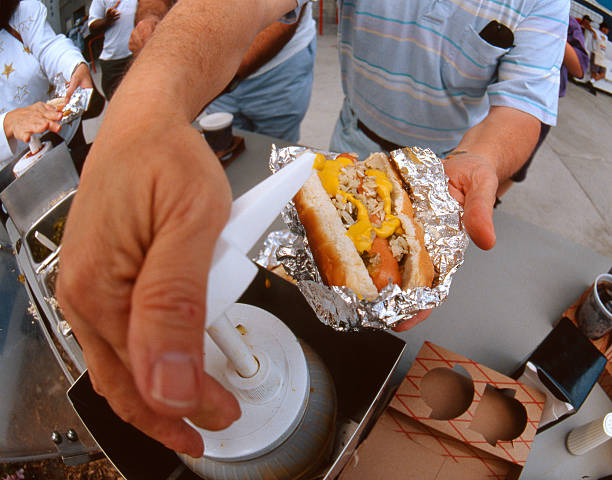
Dispenser Integration: Clumsy boxes are replaced with professional, wall-mounted or under-counter dispensers for foil rolls, allowing for a smooth, one-handed pull-and-tear action.
Pre-cut Sheets: For high-volume, uniform items like burgers or tacos, pop-up boxes of interfolded, pre-cut foil sheets are the superior choice. They eliminate the tearing step entirely, presenting a perfect, ready-to-use sheet every time.
Ergonomic Layout: This station is strategically placed at the end of the hot-line, creating a linear flow from grill to wrap to bag. This seamless integration minimizes unnecessary movement, reduces physical strain on staff, and maximizes order throughput.
Leveraging Foil Properties for Menu Expansion and Innovation
Superior foil isn't just for wrapping—it's an enabler of culinary innovation that can expand your menu and create new revenue streams.
The "Finish-in-Foil" Module:
Components: (1) A high-quality, heavy-duty foil sheet + (2) An assembled but un-melted product (e.g., a quesadilla, a "patty melt" sandwich, a cheese-filled burrito).
Application: The item is wrapped tightly in the foil and then passed through a high-temperature conveyor oven or contact press for 30-45 seconds. The foil traps steam and heat, perfectly melting the cheese and heating the interior while crisping the outside. The product is served directly in this same foil, guaranteeing it is delivered piping hot.
The "Grab & Grill / Take & Bake" Module:
Components: (1) A durable, oven-safe aluminum foil container + (2) Pre-portioned, ready-to-cook menu items (e.g., marinated chicken wings, loaded French fries with toppings, mac & cheese).
Application: These items are sold as a premium, chilled "meal kit." The customer takes the container home and can put it directly on their grill or in their oven. This extends the brand experience into the customer's home and competes in the growing "at-home convenience" market.
5. Forging a Partnership: Selecting the Right Foil Packaging Supplier
In the QSR industry, supply chain resilience is paramount. Running out of a critical item like foil during a dinner rush is not an option. Therefore, the goal is not to find a "seller" of foil but to establish a strategic partnership with a supplier who understands the unique demands of the foodservice industry and can contribute to your business's success.
The Vetting Checklist: Moving Beyond a Price-Only Decision
Argument A (The Tactical View): "This online aggregator has the lowest price-per-case on heavy-duty foil I can find anywhere. We should just place a large order."
Argument B (The Strategic View): "Hold on. What's their guaranteed lead time? If there's a supply chain disruption, do they have contingency plans? Can they provide a Certificate of Conformance with every shipment for our food safety audits? Do they offer both the interfolded sheets and the specific half-pan containers we need for our sides, allowing us to consolidate vendors? Do they have a dedicated account manager we can call directly if there's an issue? A low price is worthless if the supply is unreliable. We are not just buying foil; we are buying operational continuity."
A professional manager always weighs reliability, service, and consolidation benefits alongside price to determine the best overall value.
A Framework for a Strategic Supply Partnership
Phase 1: Deep-Dive Consultation
A true partner begins not with a sales pitch, but with questions. They seek to understand your menu, peak volumes, kitchen layout, current pain points, and future growth plans.
Phase 2: Tailored Solution Curation & Sampling
Based on the consultation, they recommend a curated selection of products—not their entire catalog. They will suggest the optimal gauge, size, and format (rolls vs. sheets) for each specific menu application and provide samples for you to conduct the in-house validation tests outlined earlier.
Phase 3: Supply Chain Integration & Transparency
Once a solution is approved, the partnership deepens. They work with you to establish a predictable, reliable logistics plan (e.g., automated weekly standing orders, JIT delivery). They provide complete transparency, offering all necessary safety and compliance documentation upfront, making audits painless.
Phase 4: Ongoing Optimization & Value-Added Services
The partnership doesn't end with the first delivery. A great supplier acts as a consultant. They bring new packaging innovations to your attention, offer services like custom branding and printing to help you grow, and work proactively to help you manage costs and navigate supply chain challenges.
[IMAGE 5 DESCRIPTION]
Image Content: A professional, collaborative scene. A QSR manager is standing with a supplier representative in their kitchen. The representative is not just selling; they are pointing to the wrapping station and discussing the workflow, holding both a foil roll and a box of interfolded sheets as if explaining the pros and cons of each for that specific environment. The mood is constructive and collaborative.
Caption: A true supplier partnership is built on expertise, reliability, and a shared commitment to operational excellence.
ALT Text: A food service supplier providing a consultation on aluminum foil packaging solutions to a restaurant manager.
(Conclusion Title) Aluminum Foil Packaging: A Strategic Investment in Your Brand's Promise
This comprehensive analysis has demonstrated that the procurement of fast-food aluminum foil packaging is a high-stakes decision with far-reaching consequences. It is not an operational expense to be minimized at all costs. Rather, it is a strategic investment in the very promise a QSR brand makes to its customers: a hot, delicious, and consistent product, delivered with speed and integrity.
The technical specifications of foil—its gauge, thermal properties, and structural durability—translate directly into measurable business outcomes: enhanced customer satisfaction, increased operational throughput, reduced waste, and a stronger brand reputation. By evolving from a reactive, price-driven purchasing tactic to a proactive, quality-focused strategic sourcing partnership, fast-food operators can build a more resilient, efficient, and profitable enterprise. The data-driven choice to partner with an expert, reliable supplier is a foundational investment in achieving both culinary and commercial excellence in a fiercely competitive market. 🏆📈
Loc Tu: Pioneering Excellence in Premium Aluminum Packaging Solutions
At the forefront of the food packaging industry, Loc Tu Manufacturing & Trading Co., Ltd. stands as a premier manufacturer and supplier of high-quality aluminum trays and foil rolls. We are dedicated to providing innovative, safe, and reliable packaging solutions tailored to the dynamic needs of the modern food landscape. Our foundation is b0uilt upon state-of-the-art manufacturing facilities, equipped with advanced production lines engineered for precision and efficiency. This technological edge allows Loc Tu to consistently deliver aluminum trays and foil rolls that not only meet but exceed rigorous international food safety standards.
Why You Must Choose Loc Tu?
✅ Assured Quality & Safety: Crafted from premium, food-grade aluminum, free from harmful impurities, meeting international safety benchmarks.
🔥 Optimal Thermal Properties: Ensures even cooking and excellent heat retention, preserving food temperature and taste effectively.
💪 Durable & Convenient Design: Engineered to resist leaks and dents, providing reliable performance for baking, storage, and transport.
🔄 Versatile Solutions: Our extensive range caters to various applications – from baking and steaming to storing fresh food and takeaway meals.
🌱 Eco-Conscious Packaging: Made from 100% recyclable aluminum, supporting sustainability and reducing plastic waste.
🎯 Brand Enhancement: Optional custom printing available to personalize products and boost your brand visibility.
🚚 Reliable Supply & Delivery: Capable of handling large orders with dependable, on-schedule nationwide shipping.
Loc Tu – Trusted Manufacturer of Durable Aluminum Foil Containers and High-Quality, Food-Safe Aluminum Foil Rolls for Your Kitchen
Your Trusted Partner in Food Packaging 📞
Loc Tu Manufacturing & Trading Co., Ltd. is more than just a supplier; we are your strategic partner in delivering high-caliber aluminum food packaging solutions. Specializing in a comprehensive range of aluminum trays, versatile foil rolls, and convenient disposable food containers.
We serve a diverse clientele – from individual households and local food vendors to large-scale restaurants, catering companies, and prestigious hotel chains. Our unwavering dedication to safety, sustainability, innovation, and customer satisfaction makes us the trusted choice for businesses and consumers seeking reliable, high-performance packaging.
📌 LOC TU MANUFACTURING & TRADING CO., LTD
📌 Our Vietnamese Website: Khaynhomthucpham.com
📌 HOTLINE/ZALO: 0969.787.309
📌 Facebook: Aluminum Foil Loc Tu
📌 Youtube: Aluminum Foil Loc Tu
📌 Tik Tok: Aluminum Foil Loc Tu
📌 Instagram: Aluminum Foil Loc Tu
📌 Shopee: Aluminum Foil Loc Tu
📌 Twitter/X: Aluminum Foil Loc Tu
📌 LinkedIn: Aluminum Foil Loc Tu
📌 Pinterest: Aluminum Foil Loc Tu
📌 Tumblr: Aluminum Foil Loc Tu
📌 Threads: Aluminum Foil Loc Tu
📌 Telegram: Aluminum Foil Loc Tu
📌 Whatsapp: 0969.787.309
📌 Branch 1 (Hanoi): No. 1 Pham Tu, Beasky Building, Dai Kim Ward, Hoang Mai District, Hanoi
📌 Branch 2 (Binh Duong): No. 68, DX 051 Street, Group 17, Quarter 4, Phu My Ward, Thu Dau Mot City, Binh Duong Province
📞 Contact us today for expert consultation and the best pricing on premium aluminum trays and foil packaging solutions! 🚀

