FOOD-GRADE CLING FILM: A COMPREHENSIVE GUIDE SAFE KITCHEN PRACTICES
FOOD-GRADE CLING FILM: A COMPREHENSIVE GUIDE TO SAFE KITCHEN PRACTICES
(Introduction Title) Beyond Convenience: Cling Film as a Matter of Chemical Safety
TABLE OF CONTENTS
The Material Science of Safe Food Wrap Vetting Protocol: Selecting Verifiably Safe Cling Film Application Integrity: Best Practices for Food Handling The Macro Perspective: Health & Environmental Footprints The Future Trajectory: Innovations in Food-Safe Films
1. The Material Science of Safe Food Wrap
Differentiating Core Polymers: The Polyvinyl Chloride (PVC) vs. Polyethylene (PE) Dichotomy
The Mechanism of Contamination: Understanding Plasticizer Migration
Definition: Chemical migration is the transfer of substances from a food contact material (like cling film) into the food itself. This process is invisible but is governed by fundamental principles of chemistry and physics.The Driving Force: The primary driver issolubility . The plasticizers used in PVC (like DEHA) are lipophilic, meaning they are "fat-loving." They have a higher affinity for fats and oils in food than they do for the PVC polymer matrix they are mixed into.Key Accelerants: The rate of migration is not static; it is accelerated by three critical factors:Temperature: Heat provides the energy for molecules to move more freely, drastically increasing the speed at which plasticizers can leach from the film into the food. Even modest warming can have a significant effect.Time: The longer the food is in contact with the film, the more time there is for migration to occur. Long-term storage of fatty foods in PVC wrap is a high-risk scenario.Food Composition: Fatty and oily foods are the primary vectors for plasticizer migration. This includes cheeses, meats, baked goods with butter or oil, fried foods, and dressings. Acidic foods can also increase the migration of some other compounds.
The Conclusion: The risk is not hypothetical. It is a predictable chemical process. Therefore, the most effective risk mitigation strategy iselimination : choosing a film (i.e., Polyethylene) that does not contain these mobile, high-risk plasticizer additives in the first place.

2. Vetting Protocol: Selecting Verifiably Safe Cling Film
Decoding the Packaging: A Guide to Labels and Certifications
Top Priority: Look for explicit declarations of "Polyethylene ," "PE ," or "LDPE ." This is the clearest indication of a safer product.Warning Sign: If the box says "PVC ," "Polyvinyl Chloride ," or simply "Plastic Wrap" without specifying the material, exercise extreme caution. Assume it is PVC unless proven otherwise.
"BPA-Free": Bisphenol-A (BPA) is another endocrine-disrupting chemical. While more commonly associated with rigid plastics like polycarbonate, its absence is a good quality indicator. A top-tier manufacturer will certify their film as BPA-Free."Phthalate-Free": This is a direct confirmation that the most problematic class of plasticizers is not used. This label is critical if you are forced to consider a PVC product, but it's an excellent secondary assurance on PE products as well.
"Microwave-Safe": This claim requires scrutiny. "Safe" typically means the film will not melt or warp at low power for short durations (like defrosting). Itnever means the film should touch the food during microwaving. A responsible brand will clarify this with text like "Do not allow film to touch food.""Freezer-Safe": This indicates the film retains its flexibility and does not become brittle at low temperatures, ensuring a good seal for frozen foods.
Look for indicators of compliance with food safety authorities like the FDA (U.S. Food and Drug Administration) orEFSA (European Food Safety Authority) standards. While logos may not always be present, text like "Made from FDA-compliant materials" is a strong positive signal.
Physical Assessment Protocol for Quality Assurance
The Transparency and Color Test: Unroll a foot of the film. High-quality PE film is typically crystal clear with no haze or yellowish/bluish tint. A noticeable color cast can sometimes indicate the presence of certain additives or lower-quality raw materials.The Stretch and Puncture Test: Grip the film with both hands and stretch it moderately. High-grade PE should have excellent tensile strength, meaning it stretches significantly before tearing. It should also resist puncture from a gentle poke with a finger. Low-quality films will tear or puncture easily, indicating poor polymer quality.The "Cling" Test: Tear off a piece and fold it over onto itself. A well-formulated PE film should create an immediate and secure seal to itself. Then, test its ability to cling to glass, ceramic, and stainless steel bowls. The cling should be sufficient to create a seal without being excessively sticky or difficult to handle.The Odor Test: A crucial sensory check. Unroll a portion of the film and smell it. There should be no chemical or "plastic" odor. A distinct chemical smell is a major warning sign and may indicate the presence of volatile organic compounds (VOCs) or other undesirable residual chemicals from the manufacturing process. The product should be rejected immediately.
3. Application Integrity: Best Practices for Food Handling
The Non-Negotiable Rules for Kitchen Application
Thou Shalt Maintain the Air Gap: Never allow cling film to have direct contact with food during any form of heating, especially in the microwave. The film should be used as a cover for a container, stretched taut across the top, leaving a significant air gap. This prevents heat-induced localized melting and the potential transfer of substances.Thou Shalt Not Use on Hot Food: Allow foods to cool to at least room temperature before covering them with cling film. Covering steaming hot food traps condensation, which can promote bacterial growth, and also unnecessarily heats the film.Thou Shalt Respect Fatty Foods: While PE film is much safer than PVC, it is a best practice to minimize its long-term direct contact with very high-fat or oily surfaces (e.g., the cut surface of a block of cheese, bacon fat). Where possible, use a primary barrier like wax paper first, then overwrap with cling film.Thou Shalt Not Use in Conventional Ovens or Stovetops: Cling film is not designed for the high, direct heat of ovens, grills, or pans. It will melt, potentially igniting and releasing harmful fumes, and will certainly destroy the food.Thou Shalt Ensure a Clean Cut: Use the box's serrated edge or a slide cutter to get a clean cut. Ragged edges can easily fold into food and are difficult to remove. Discard any small, torn pieces.Thou Shalt Use a Fresh Piece Every Time: Never reuse cling film for food storage. A used piece is a potential vector for cross-contamination from bacteria and food residues.Thou Shalt Pull It Taut: A tight seal is not just for freshness; it's a better physical barrier against airborne contaminants in the refrigerator.Thou Shalt Store the Roll Properly: Keep the box of cling film in a clean, dry cupboard away from sources of heat (like the oven) and direct sunlight, which can degrade the plastic over time.Thou Shalt Not Use It as a Cooking Bag: Unless the product is specifically marketed and certified as a "roasting film" or "sous-vide bag" (which are different materials), do not use standard cling film to contain food during cooking processes like boiling or sous-vide.Thou Shalt Trust but Verify: Periodically re-check the specifications of your preferred brand. Manufacturers can change their formulations, and vigilance is key to sustained safety.
Microwave Use: A Deep Dive into Safety and Misconceptions
What It Means: The manufacturer certifies that at low power levels for short durations (i.e., defrosting or gentle reheating), the film will not grossly melt, warp, or catch fire. It is a very basic safety assurance against catastrophic failure.What It DOES NOT Mean: It does not mean the film is inert at a microscopic level when heated. It does not mean chemical migration drops to zero. And it absolutely does not sanction direct contact between the film and your food.
4. The Macro Perspective: Health & Environmental Footprints
The Long-Term Health Calculus and Endocrine Disruptors
The Environmental Burden and the Rise of Sustainable Alternatives
Branch 1: Resource Depletion Fossil Fuel Feedstock: Both PE and PVC are derived from petroleum or natural gas, which are non-renewable resources. The entire manufacturing process is energy-intensive.
Branch 2: The Waste Stream Crisis Non-Recyclable: Cling film is almost universally non-recyclable in municipal systems. Its filmy, flimsy nature tangles and clogs recycling machinery, making it a major contaminant.Landfill Burden: Every piece of cling film used goes directly to landfill, where it persists for hundreds of years, breaking down into microplastics.Pollution Vector: In the environment, plastic debris can harm wildlife and leach pollutants into soil and water.
Branch 3: The Path to Mitigation - Sustainable Alternatives Reusable Covers: Silicone Lids: Highly durable, flexible, and heat-resistant. They create a strong suction seal on bowls and containers of various sizes. They are dishwasher and microwave-safe.Beeswax Wraps: Made from cotton infused with beeswax, jojoba oil, and tree resin. They are breathable and become malleable from the warmth of your hands, allowing them to be shaped around food or containers. Reusable for up to a year.
Optimized Containers: Glass Containers with Airtight Lids: The ultimate solution for food storage. Glass is inert, impermeable, non-toxic, and infinitely recyclable. The initial investment is higher, but the long-term value is unparalleled.High-Quality Stainless Steel Containers: Lightweight, durable, and completely food-safe. Excellent for packing lunches and dry storage.
Strategic Mindset Shift: The ultimate solution is to re-evaluate theneed for a disposable covering in the first place, favoring reusable options as the default and reserving single-use film for specific, unavoidable applications.
5. The Future Trajectory: Innovations in Food-Safe Films
From Passive Barrier to Active Agent: The Rise of "Smart" Packaging
Technology: Basic PVC and PE films.Function: To act as a simple, passive physical barrier. Its only jobs were to prevent moisture loss and block external contaminants. The film itself was unintelligent and inert (ideally). Performance was measured in cling and puncture resistance. This phase defined the 20th-century kitchen.
Technology: Films embedded with active compounds.Function: To do more than just cover. These films actively participate in preserving food quality.Oxygen Scavengers: Films with iron-based particles embedded in the polymer matrix that actively absorb oxygen from within the package, dramatically extending the shelf life of oxygen-sensitive products.Antimicrobial Films: Surfaces coated or infused with natural antimicrobial agents (like nisin or plant extracts) that inhibit the growth of bacteria and mold on the food's surface.Ethylene Absorbers: Films for fresh produce that contain minerals (like potassium permanganate) which absorb ethylene gas, the hormone that triggers ripening and decay, thereby keeping fruits and vegetables fresher for longer.
Technology: Films integrated with biosensors and indicators.Function: To communicate real-time information. This is "smart" packaging.Time-Temperature Indicators (TTIs): A printed sensor on the wrap that changes color irreversibly if the product's temperature rises above a safe threshold during transport or storage, providing a clear visual cue that the cold chain has been broken.Freshness Sensors: Biosensors designed to react to the specific chemical compounds released as food spoils (e.g., amines from decaying fish). The sensor would change color to indicate the precise level of freshness, moving beyond arbitrary "best by" dates to real-time condition monitoring.
The Bio-Plastic Revolution: Charting a Path Beyond Petroleum
Instead of crude oil, the raw materials are renewable biomass. Examples: Corn starch (creates PLA - Polylactic Acid), sugarcane, potato starch, or even cellulose from wood pulp.
These raw materials are processed and fermented to create biopolymers like PLA. PLA can be formed into a clear film that behaves similarly to traditional plastic. Key Advantage: It is made from plants, not fossil fuels, dramatically reducing the carbon footprint of its production. It is also inherently free of plasticizers like phthalates.
This is the most critical and complex module. The goal is circularity. Compostable: Many bioplastics like PLA are designed to be "industrially compostable." This means in a high-temperature commercial composting facility, they will break down into carbon dioxide, water, and biomass within a set timeframe.The Challenge: They do not break down in a backyard compost bin or in landfill, and they can contaminate the traditional plastic recycling stream. Widespread adoption requires a massive investment in industrial composting infrastructure.The Future: Researchers are actively developing home-compostable and even marine-degradable bioplastics, which would represent the true holy grail of sustainable packaging.
(Conclusion Title) Food-Grade Cling Film: A Strategic Choice for Health and Safety
Loc Tu: Pioneering Excellence in Premium Aluminum Packaging Solutions
Why You Must Choose Loc Tu?
✅ Assured Quality & Safety: Crafted from premium, food-grade aluminum, free from harmful impurities, meeting international safety benchmarks.
🔥 Optimal Thermal Properties: Ensures even cooking and excellent heat retention, preserving food temperature and taste effectively.
💪 Durable & Convenient Design: Engineered to resist leaks and dents, providing reliable performance for baking, storage, and transport.
🔄 Versatile Solutions: Our extensive range caters to various applications – from baking and steaming to storing fresh food and takeaway meals.
🌱 Eco-Conscious Packaging: Made from 100% recyclable aluminum, supporting sustainability and reducing plastic waste.
🎯 Brand Enhancement: Optional custom printing available to personalize products and boost your brand visibility.
🚚 Reliable Supply & Delivery: Capable of handling large orders with dependable, on-schedule nationwide shipping.
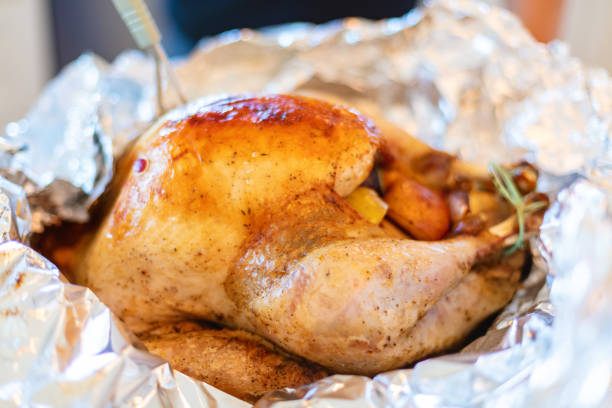
Loc Tu – Trusted Manufacturer of Durable Aluminum Foil Containers and High-Quality, Food-Safe Aluminum Foil Rolls for Your Kitchen
Your Trusted Partner in Food Packaging 📞
📌 LOC TU MANUFACTURING & TRADING CO., LTD
📌 Our Vietnamese Website: Khaynhomthucpham.com
📌 HOTLINE/ZALO: 0969.787.309
📌 Facebook: Aluminum Foil Loc Tu
📌 Youtube: Aluminum Foil Loc Tu
📌 Tik Tok: Aluminum Foil Loc Tu
📌 Instagram: Aluminum Foil Loc Tu
📌 Shopee: Aluminum Foil Loc Tu
📌 Twitter/X: Aluminum Foil Loc Tu
📌 LinkedIn: Aluminum Foil Loc Tu
📌 Pinterest: Aluminum Foil Loc Tu
📌 Tumblr: Aluminum Foil Loc Tu
📌 Threads: Aluminum Foil Loc Tu
📌 Telegram: Aluminum Foil Loc Tu
📌 Whatsapp: 0969.787.309
📌 Branch 1 (Hanoi): No. 1 Pham Tu, Beasky Building, Dai Kim Ward, Hoang Mai District, Hanoi
📌 Branch 2 (Binh Duong): No. 68, DX 051 Street, Group 17, Quarter 4, Phu My Ward, Thu Dau Mot City, Binh Duong Province
📞 Contact us today for expert consultation and the best pricing on premium aluminum trays and foil packaging solutions! 🚀
LOC TU PRODUCTION AND TRADING COMPANY LIMITED
Branch 1 (Binh Duong): No. 68, DX 051 Street, Group 17, Quarter 4, Phu My Ward, Thu Dau Mot City.
Branch 2 (Hanoi): No. 1 Pham Tu, Beasky Building, Dai Kim Ward, Hoang Mai District.
Hotline/Zalo: +84.969787309
Website: Khaynhomthucpham.com
Email: [email protected]

