GRILLED CHICKEN IN FOIL: A CULINARY EXPOSITION ON FLAVOR AND TECHNIQUE
(Introduction Title) Beyond the Backyard BBQ: The Art of En Papillote Cooking with Foil
In the vast lexicon of culinary methods, few techniques offer such a profound return on simplicity as cooking en papillote—the art of enclosing food within a packet to be steamed in its own juices. While traditionally associated with parchment paper and delicate fish, its modern, more robust iteration involves aluminum foil and a grill, fundamentally transforming humble chicken into a masterpiece of moisture and flavor. This is not a mere shortcut for a weeknight meal; it is a deliberate culinary strategy. The foil packet becomes a miniature convection oven, a controlled environment where heat, moisture, and aromatics converge with scientific precision.
This document is not a recipe in the conventional sense. It is a detailed analysis. ✍️ Authored from a culinary science perspective, this exposition will deconstruct the core principles that elevate grilled chicken in foil from merely "cooked" to "exquisite." We will establish the criteria for component selection. We will dissect the architecture of the packet itself. We will perform a deep analysis of heat dynamics and their impact on protein structure. And finally, we will explore the philosophy of plating and pairing to complete the sensory experience. This is engineered for the discerning home cook, the culinary enthusiast, and the professional chef who understand that true mastery lies not just in following steps, but in comprehending the "why" behind them.
TABLE OF CONTENTS
The Method's Merit: The Science of Foil Packet Cooking
Component Selection: The Pillars of a Perfect Dish
Construction and Assembly: The Architecture of the Foil Packet
Heat Application: Mastering the Cooking Environment
Plating and Pairing: The Culmination of the Culinary Experience
1. The Method's Merit: The Science of Foil Packet Cooking
The decision to employ an aluminum foil packet is a foundational choice in the pursuit of a superior grilled chicken. It moves the cook from a position of reacting to the volatile, dry heat of an open flame to proactively curating a perfect cooking micro-environment.
Defining the Culinary Advantage
The Case: "The weekend grill master's dilemma."
The Problem (The "Before"): A standard boneless, skinless chicken breast is placed directly on the grill grates. The exterior cooks rapidly, developing char marks, but the high, dry heat quickly denatures the surface proteins and wicks away moisture. The result is often a binary outcome: either a flavorful but dry exterior with a chalky interior, or a perfectly cooked interior with a less-developed, lackluster surface. Flavor is often superficial, limited to the crust.
The Solution (The "After"): The same chicken breast is enclosed in a well-sealed foil packet with aromatics and a small amount of liquid. The packet is placed on the grill.
The Result: The foil shields the chicken from the harsh direct flame. As the packet heats, the liquid and the chicken's own moisture turn to steam. This steam is trapped, creating a high-humidity environment that cooks the chicken gently and evenly with convective heat. The aromatics (herbs, garlic, citrus) are volatilized by the heat, and their flavor compounds are forced to permeate the meat, resulting in deep, integral flavor. The protein fibers remain relaxed and hydrated, yielding an incomparably moist and tender result. This demonstrates a shift from a brute-force heat application to a finessed, scientific method.
Key Principles of Flavor Encapsulation
Strength - Moisture Retention: The primary advantage. The sealed environment prevents evaporative moisture loss, which is the principal cause of dry grilled chicken. The meat essentially braises in its own essence and that of the added aromatics, guaranteeing succulence.
Strength - Flavor Infusion: Unlike open-air grilling where volatile flavor compounds from herbs and spices quickly dissipate, the foil packet acts as a flavor concentrator. Aromatic steam is trapped and continuously bastes the chicken, driving flavor deep into the muscle tissue.
Opportunity - Unparalleled Versatility: The foil packet is a self-contained vessel, allowing for the inclusion of a wide array of ingredients. Vegetables can be added to steam-roast alongside the chicken, absorbing the flavorful juices and creating a complete meal in one package.
Opportunity - Execution Consistency & Simplicity: By creating a buffer against the intense heat of the grill, the foil packet offers a wider margin for error. It mitigates flare-ups and provides more even cooking, ensuring consistently excellent results with minimal active management. The cleanup is, of course, a significant operational advantage.
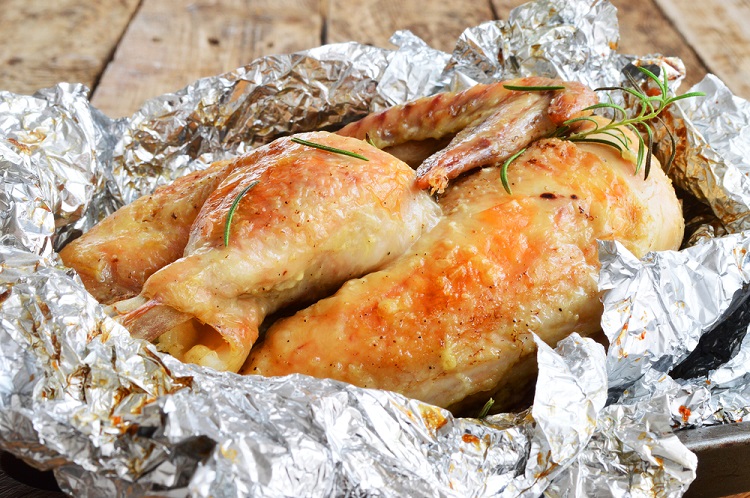
[IMAGE 1 DESCRIPTION]
Image Content: A professional infographic-style diagram. One side, labeled "Direct Grilling," shows arrows of moisture and flavor escaping from a piece of chicken. The other side, labeled "Foil Packet Method," shows the same arrows circulating and bouncing within the confines of a sealed foil packet, pointing back towards the chicken.
Caption: The science of encapsulation: Trapping steam and volatile compounds results in superior moisture and flavor infusion.
ALT Text: A diagram comparing direct grilling to the foil packet method for chicken, highlighting flavor and moisture retention.
2. Component Selection: The Pillars of a Perfect Dish
When employing a technique as revealing as foil packet cooking, the quality of the raw materials is non-negotiable. There are no heavy sauces or aggressive charring to mask inferior ingredients. A professional approach requires meticulous component selection.
Sourcing the Ideal Chicken Cut
Name: Poultry Selection Specification (PSS-01)
Icon: 🍗
Content:
Cut Selection & Rationale: While boneless, skinless breasts are popular, boneless, skinless chicken thighs are the superior choice for this application. Their higher fat content provides insurance against overcooking and results in a richer flavor and more tender texture.
Uniformity of Thickness: The chicken pieces MUST be of uniform thickness. Pound thicker ends of breasts or thighs gently to create an even plane. This is the single most important factor for ensuring even cooking throughout the packet.
Quality Verification: Opt for air-chilled, free-range, or organic chicken when possible. Air-chilling prevents the absorption of excess water, resulting in a purer chicken flavor that isn't diluted. Look for firm, plump flesh with a consistent, pale pink color.
Deconstructing the Lemon-Herb Marinade
The marinade is not merely a flavorant; it is a functional component that tenderizes, seasons, and provides the steaming liquid.
Step 1: The Acidic Base: The process begins with fresh lemon juice. The citric acid helps to gently denature the surface proteins of the chicken, a process known as ceviche-ing. This allows the other marinade components to penetrate more effectively.
Step 2: The Fat Carrier: High-quality extra-virgin olive oil is introduced. Fat is essential as it is a solvent for many flavor compounds found in herbs and garlic that are not water-soluble. It also helps to distribute heat evenly and adds richness to the final sauce.
Step 3: The Aromatic Foundation: Freshly minced garlic and robust herbs (rosemary, thyme, oregano) are incorporated. Using fresh herbs is critical; their volatile oils are far more potent and complex than their dried counterparts.
Step 4: The Seasoning: Kosher salt and freshly cracked black pepper are the final components. The salt performs a crucial role beyond taste: through osmosis, it draws moisture out of the chicken, which then mixes with the salt and is reabsorbed, seasoning the meat from the inside out.
3. Construction and Assembly: The Architecture of the Foil Packet
A common failure point in this technique is poor packet construction. A leaky seal or incorrect layering undermines the entire scientific principle. The assembly process must be approached with the precision of an engineer.
Mastering the Foil Packet Seal
Central Theme: The Integrity of the Cooking Vessel
Branch 1: The Foundation
Material: Use heavy-duty aluminum foil. Standard foil is prone to tearing.
Dimensions: Tear off a sheet approximately 18 inches (45 cm) long to provide ample room for sealing.
Branch 2: The Build-out
Placement: Place ingredients in the center of one half of the foil sheet.
Headspace: Leave at least a 2-inch (5 cm) border around the ingredients. This is critical for creating a proper seal.
Branch 3: The Seal
The First Fold: Bring the other half of the foil over the ingredients to meet the edges.
The Crimp: Fold the three open edges over on themselves in a series of tight, ½-inch (1.25 cm) folds. Press down firmly with each fold to create an airtight seam. The goal is to create a packet that will puff up with steam.
Branch 4: The Consequence of Failure
Leakage: Juices and steam escape.
Result: The chicken steams improperly, loses flavor, and the valuable sauce is lost to the flames, causing flare-ups.
Strategic Ingredient Placement
Scenario A - Haphazard Placement:
The cook places the chicken directly on the foil and scatters vegetables (e.g., sliced zucchini, bell peppers, onions) on top. When placed on the grill, the bottom of the chicken is in direct contact with the hottest surface. The vegetables on top steam but do little to protect the meat. This can lead to a slightly overcooked or "stuck" bottom on the chicken.
Scenario B - Strategic Layering:
The cook first creates a "raft" or bed of the hardiest vegetables (like sliced onions and bell peppers) in the center of the foil. The marinated chicken is then placed on top of this vegetable bed. Softer vegetables (like zucchini or cherry tomatoes) are placed around the chicken. When heated, the vegetable bed elevates the chicken slightly, protecting it from direct, intense heat. It also absorbs the rendered juices from the chicken, becoming incredibly flavorful. The chicken cooks perfectly in the aromatic steam, essentially floating on a bed of its own garnish. This is the superior method for both flavor and execution.
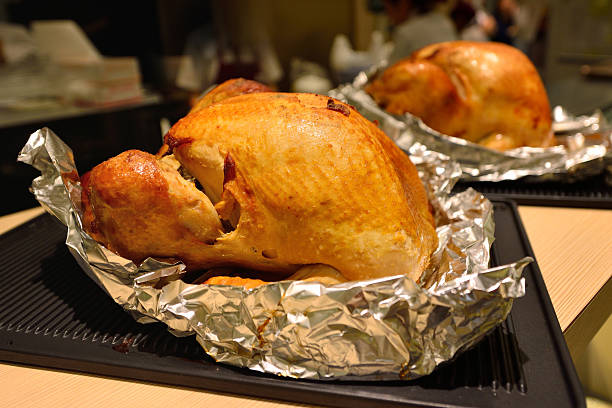
[IMAGE 3 DESCRIPTION]
Image Content: A clean, instructional photo sequence of four images. 1) Shows the chicken and veggies in the center of an open foil sheet. 2) Shows the foil being folded over. 3) Shows a hand carefully crimping the edges. 4) The final, perfectly sealed rectangular packet.
Caption: The architecture of perfection: a precise, airtight seal is non-negotiable for locking in steam and flavor.
ALT Text: A step-by-step visual guide on how to properly fold and seal an aluminum foil packet for grilling chicken.
4. Heat Application: Mastering the Cooking Environment
The foil packet has been expertly constructed. Now, it must be introduced to the heat. This stage is not about blasting the packet with fire; it's about calibrated heat management to orchestrate the cooking process within.
Calibrating for Grilling vs. Oven Baking
Traditional Model: High, Direct Heat
The common instinct is to treat the packet like a steak, placing it over the hottest part of the grill. This approach is suboptimal. High, direct heat can scorch the bottom of the packet and the vegetables before the chicken is fully cooked, leading to an uneven result.
Integrated Model: Two-Zone, Indirect Heat
A more sophisticated technique involves setting up a two-zone fire on the grill (one side hot, one side with no direct flame). The foil packet is placed on the cooler, indirect heat side. The grill lid is then closed. This turns the entire grill into a convection oven. The packet is bathed in even, circulating heat, which gently brings it up to temperature and allows the chicken and vegetables to cook through perfectly without any risk of scorching. For oven baking, this principle is inherent: a preheated oven at 400°F (200°C) provides the same consistent, all-around heat. This method demonstrates superior temperature control and guarantees a perfectly cooked result.
Indicators of Doneness and Achieving the Final Sear
The perfect result requires a two-phase cooking process.
The "Convection-Steam" Module:
Components: (1) A perfectly sealed foil packet + (2) Calibrated indirect heat (grill) or ambient heat (oven).
Application: Cook the sealed packet for 15-20 minutes, depending on the thickness of the chicken. The packet should be visibly puffed up with steam, indicating the internal environment is at temperature. The chicken will be fully cooked, moist, and infused with flavor at this stage.
The "Finishing Sear" Module:
Components: (1) The now-cooked chicken + (2) Direct, high heat.
Application: Carefully open the packet (beware of hot steam). Use tongs to move the chicken from the foil directly onto the hot grill grates for 60-90 seconds per side. Alternatively, place the opened packet under a broiler for 2-3 minutes. This final step is not for cooking, but for aesthetics and flavor complexity. It dries the surface of the chicken, allowing the Maillard reaction to occur, creating a beautifully browned, slightly crisp exterior that contrasts with the moist interior.
5. Plating and Pairing: The Culmination of the Culinary Experience
The technical execution is complete. The final stage transitions from science to art. How the dish is presented and what it is served with will define the ultimate dining experience.
The Art of Presentation
Argument A: The "Rustic" Approach. "It's a foil packet meal. Just open the packet on the plate and let people serve themselves. It’s authentic and requires no extra work."
Argument B: The "Refined" Approach. "No, the vessel has done its job; it is not the presentation. The chicken and vegetables have created a sublime, concentrated sauce at the bottom of the foil. Plate the tender chicken first. Artfully arrange the glistening vegetables around it. Carefully pour the precious, flavorful jus over everything. Garnish with a sprinkle of fresh parsley and a grilled lemon half. We have used a precise technique; the presentation must honor that precision. We are elevating a simple concept, and that elevation must carry through to the final plate."
The refined approach is the only one that does justice to the careful execution of the preceding steps.
A Sommelier's Approach to Pairings
Step 1: Analyze the Core Flavor Profile: The dominant notes are bright citrus (lemon), pungent herbs (rosemary, thyme), savory garlic, and the delicate flavor of the chicken itself, all tied together by a rich jus.
Step 2: Selecting the Wine Pairing: The high acidity and herbaceous notes call for a wine with similar characteristics. An acidic white wine will cleanse the palate and complement the flavors rather than competing with them. Prime candidates include a New Zealand Sauvignon Blanc (with its grapefruit and grassy notes), an Italian Pinot Grigio, or a dry French Rosé.
Step 3: Selecting the Starch & Side Pairings: The dish provides protein and vegetables, but requires a component to soak up the delicious sauce. The ideal partner would be pearled couscous, a fluffy quinoa pilaf, or crusty bread for dipping. For a complementary side, simple roasted asparagus or a fresh arugula salad with a light vinaigrette would add a different texture and a fresh, peppery note.
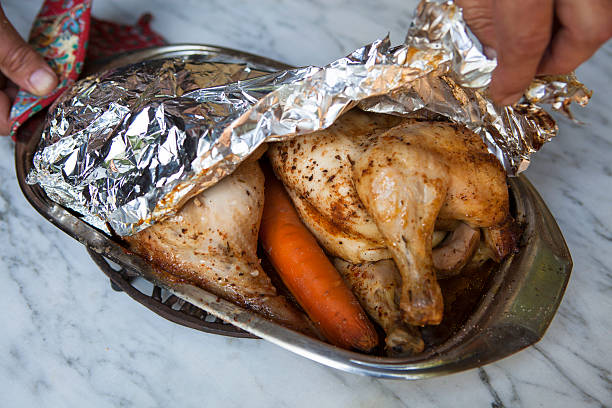
[IMAGE 5 DESCRIPTION]
Image Content: A professional "hero shot" of the final plated dish. A perfectly seared chicken breast is sliced to show its juicy interior, sitting on a bed of roasted vegetables. The dish is artfully drizzled with sauce and garnished with chopped fresh parsley. Next to the white plate is a glass of chilled white wine and a small bowl of quinoa. The background is softly out of focus.
Caption: The culmination of technique and artistry: a dish that is as visually stunning as it is flavorful.
ALT Text: A beautifully plated dish of lemon herb grilled chicken from a foil packet, served with wine and quinoa.
(Conclusion Title) Grilled Chicken in Foil: A Strategic Investment in Culinary Excellence
This systematic deconstruction of the foil packet technique demonstrates its profound merit. The evidence is unequivocal: this method is not a mere convenience, but a strategic tool for achieving unparalleled moisture, deep flavor infusion, and consistent, repeatable results. It is an exercise in controlled physics and chemistry, applied in a culinary context.
The technical superiority of this en papillote method provides a demonstrable return on the minimal investment of time and material. By moving from a reactive, brute-force grilling tactic to a deliberate, controlled-environment strategy, any cook can build a more resilient and impressive culinary repertoire. Making the data-driven choice to master this technique is a fundamental step toward achieving a higher level of culinary and commercial excellence in any kitchen. 🏆📈
Loc Tu: Pioneering Excellence in Premium Aluminum Packaging Solutions
At the forefront of the food packaging industry, Loc Tu Manufacturing & Trading Co., Ltd. stands as a premier manufacturer and supplier of high-quality aluminum trays and foil rolls. We are dedicated to providing innovative, safe, and reliable packaging solutions tailored to the dynamic needs of the modern food landscape. Our foundation is b0uilt upon state-of-the-art manufacturing facilities, equipped with advanced production lines engineered for precision and efficiency. This technological edge allows Loc Tu to consistently deliver aluminum trays and foil rolls that not only meet but exceed rigorous international food safety standards.
Why You Must Choose Loc Tu?
✅ Assured Quality & Safety: Crafted from premium, food-grade aluminum, free from harmful impurities, meeting international safety benchmarks.
🔥 Optimal Thermal Properties: Ensures even cooking and excellent heat retention, preserving food temperature and taste effectively.
💪 Durable & Convenient Design: Engineered to resist leaks and dents, providing reliable performance for baking, storage, and transport.
🔄 Versatile Solutions: Our extensive range caters to various applications – from baking and steaming to storing fresh food and takeaway meals.
🌱 Eco-Conscious Packaging: Made from 100% recyclable aluminum, supporting sustainability and reducing plastic waste.
🎯 Brand Enhancement: Optional custom printing available to personalize products and boost your brand visibility.
🚚 Reliable Supply & Delivery: Capable of handling large orders with dependable, on-schedule nationwide shipping.
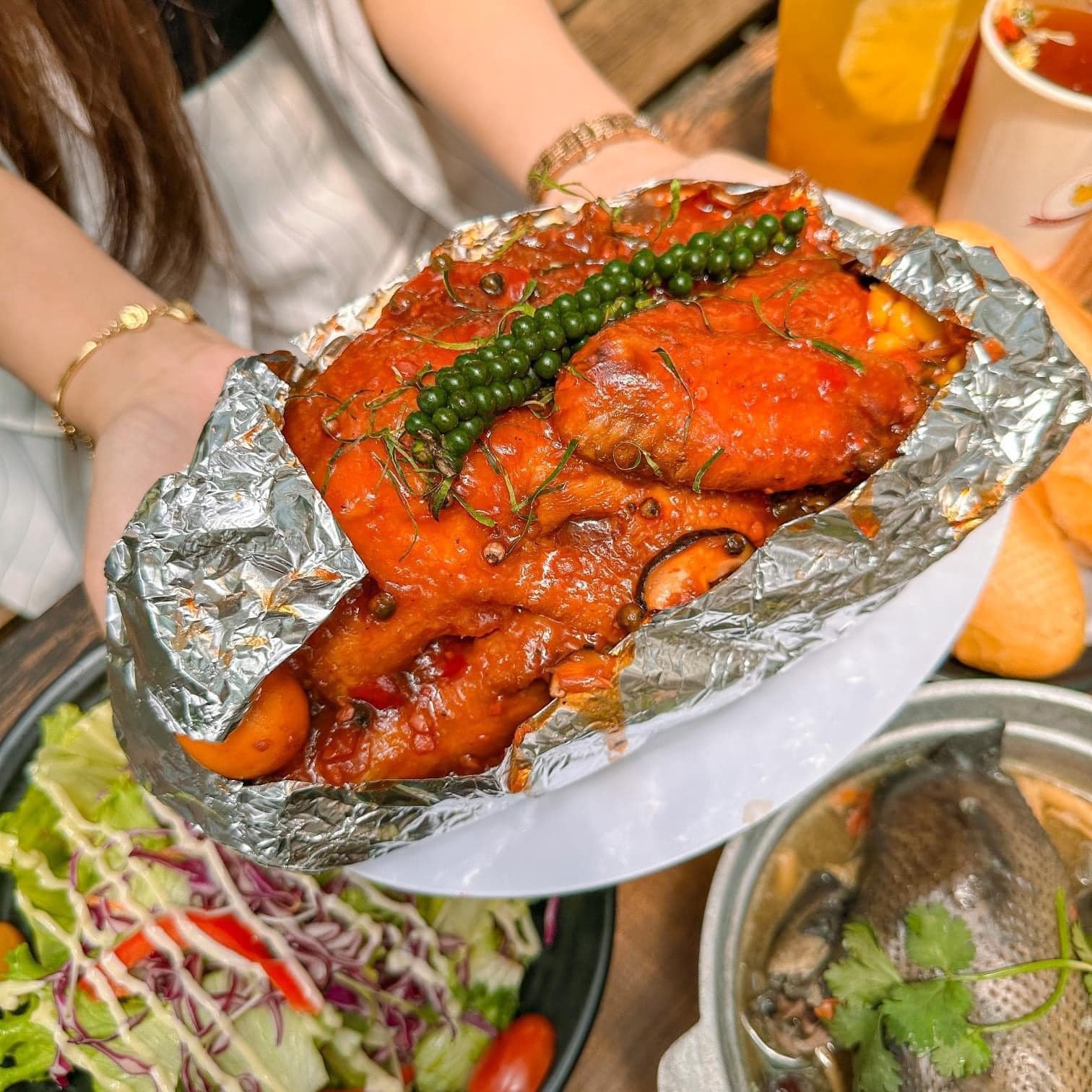
Loc Tu – Trusted Manufacturer of Durable Aluminum Foil Containers and High-Quality, Food-Safe Aluminum Foil Rolls for Your Kitchen
Your Trusted Partner in Food Packaging 📞
Loc Tu Manufacturing & Trading Co., Ltd. is more than just a supplier; we are your strategic partner in delivering high-caliber aluminum food packaging solutions. Specializing in a comprehensive range of aluminum trays, versatile foil rolls, and convenient disposable food containers.
We serve a diverse clientele – from individual households and local food vendors to large-scale restaurants, catering companies, and prestigious hotel chains. Our unwavering dedication to safety, sustainability, innovation, and customer satisfaction makes us the trusted choice for businesses and consumers seeking reliable, high-performance packaging.
📌 LOC TU MANUFACTURING & TRADING CO., LTD
📌 Our Vietnamese Website: Khaynhomthucpham.com
📌 HOTLINE/ZALO: 0969.787.309
📌 Facebook: Aluminum Foil Loc Tu
📌 Youtube: Aluminum Foil Loc Tu
📌 Tik Tok: Aluminum Foil Loc Tu
📌 Instagram: Aluminum Foil Loc Tu
📌 Shopee: Aluminum Foil Loc Tu
📌 Twitter/X: Aluminum Foil Loc Tu
📌 LinkedIn: Aluminum Foil Loc Tu
📌 Pinterest: Aluminum Foil Loc Tu
📌 Tumblr: Aluminum Foil Loc Tu
📌 Threads: Aluminum Foil Loc Tu
📌 Telegram: Aluminum Foil Loc Tu
📌 Whatsapp: 0969.787.309
📌 Branch 1 (Hanoi): No. 1 Pham Tu, Beasky Building, Dai Kim Ward, Hoang Mai District, Hanoi
📌 Branch 2 (Binh Duong): No. 68, DX 051 Street, Group 17, Quarter 4, Phu My Ward, Thu Dau Mot City, Binh Duong Province
📞 Contact us today for expert consultation and the best pricing on premium aluminum trays and foil packaging solutions! 🚀

