GRILLED MUSHROOMS IN FOIL PACKETS: A CULINARY FRAMEWORK FOR FLAVOR
GRILLED MUSHROOMS IN FOIL PACKETS: A CULINARY FRAMEWORK FOR PEAK FLAVOR EXTRACTION
(Introduction Title) Beyond a Recipe: A Methodology for Umami Optimization
TABLE OF CONTENTS
Foundational Principles: The Strategic Selection of Core Components The Science of Scent: Aromatic Architecture and Flavor Layering Engineering the Vessel: The Foil Packet Technique Mastered Thermal Application: Mastering the Grilling Environment From Packet to Plate: The Final Act of Presentation
1. Foundational Principles: The Strategic Selection of Core Components
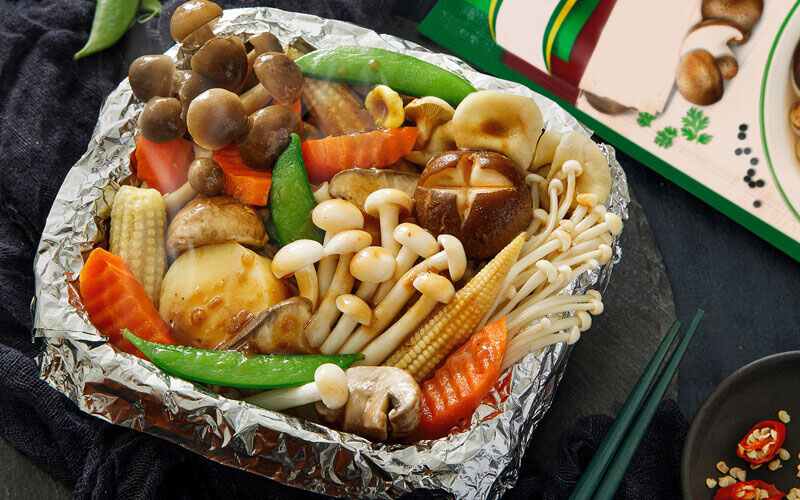
Cremini (Baby Bella): Strength: Excellent firmness and low moisture content ensure they roast rather than steam, developing a deep, meaty texture. Their mild, earthy flavor provides a perfect canvas for aromatics.Weakness: If sliced too thinly, they can lose their structural integrity during the high-heat cooking process.Opportunity: Their universal appeal and robust structure make them the gold standard for this application, offering high consistency and reliability. They are the most versatile and forgiving option.Threat: Their subtlety can be overpowered by overly aggressive seasoning if the flavor architecture is not balanced.
Shiitake: Strength: Imparts a powerful, smoky, and intensely savory umami character that elevates the entire dish. Their texture is uniquely chewy and satisfying.Weakness: Higher cost-per-pound. Their stems are woody and must be removed, resulting in some material loss.Opportunity: Excellent for creating a more sophisticated, complex flavor profile. They pair exceptionally well with soy, ginger, and sesame, opening up Asian-inspired flavor avenues.Threat: Their dominant flavor can clash with certain delicate herbs if not paired strategically.
Fat Component (The Vehicle): Function: To coat the mushrooms and transfer fat-soluble flavors from the aromatics. It also promotes browning and prevents sticking.Prime Candidates: High-quality olive oil, melted butter, avocado oil.Acid Component (The Brightener): Function: To cut through the richness of the fat and earthiness of the mushrooms, balancing the palate and adding a layer of complexity.Prime Candidates: Balsamic vinegar, lemon juice, dry white wine, Worcestershire sauce.Aromatic Component (The Soul): Function: To build the primary scent and flavor profile. This is the heart of the dish's character.Prime Candidates: Finely minced garlic, diced shallots, fresh thyme, rosemary.Salinity/Umami Component (The Amplifier): Function: To season the mushrooms from within and enhance their natural savory qualities.Prime Candidates: Kosher or sea salt, soy sauce, tamari, miso paste.
2. The Science of Scent: Aromatic Architecture and Flavor Layering
Step 1: Mince the Alliums. Begin by finely mincing fresh garlic and/or shallots. The smaller particle size increases the surface area, maximizing the release of their essential oils into the fat component of the marinade.Step 2: Prepare the Hardy Herbs. Select robust, woody herbs like thyme and rosemary. Strip the leaves from the stems. A gentle chop is sufficient; over-processing can release bitter compounds. These herbs withstand high heat well, slowly infusing their piney, earthy notes throughout the cooking process.Step 3: Bloom the Aromatics. Combine the minced alliums and hardy herbs with the chosen Fat Component (e.g., olive oil) in the mixing bowlbefore adding the mushrooms. Allowing them to sit for 5-10 minutes—a process known as "blooming"—initiates the flavor transfer and creates a more cohesive and potent aromatic base.
Module A: The "Heat & Zest" Enhancement Components: (1) A pinch of red pepper flakes + (2) The freshly grated zest of one lemon.Application: Add these components to the marinade during the final mixing stage. The red pepper provides a subtle, background warmth, while the lemon zest, added last, contributes a bright, floral top note that cuts through the richness, creating a dynamic flavor contrast. This module is ideal for pairing with grilled chicken or fish.
Module B: The "Smoked & Savory" Enhancement Components: (1) A half-teaspoon of smoked paprika + (2) A tablespoon of low-sodium soy sauce or tamari.Application: Whisk these into the Acid and Salinity components of the marinade. The smoked paprika adds a deep, barbecue-like smokiness that complements the grill, while the soy sauce dramatically amplifies the natural umami of the mushrooms. This module is engineered for pairing with steak or burgers.
3. Engineering the Vessel: The Foil Packet Technique Mastered
Branch 1: Material Specification Sub-branch 1a: Heavy-Duty Foil is mandatory. Standard-issue foil is too thin and prone to puncture, leading to critical steam loss and potential flare-ups from dripping marinade. Sub-branch 1b: Use a single, large sheet (approx. 18x12 inches). Seams create weak points. A monolithic construction is superior.
Branch 2: Structural Design Sub-branch 2a: The Flat-Bottomed Pouch. Ingredients are centered, allowing for even heat distribution from below. Sub-branch 2b: Create 1-inch walls by folding up the sides before adding ingredients. This prevents spillage during assembly.Sub-branch 2c: The Headspace Principle. A 1-2 inch pocket of air must be left above the ingredients. This space traps steam, which is critical for the initial cooking phase.
Branch 3: The Sealing Protocol Sub-branch 3a: The Double-Fold Crimp. Bring the two long sides together and fold them over on themselves twice, creating a tight, pressure-resistant seal. Sub-branch 3b: Crimp the ends similarly. The final vessel should be a fully-sealed, airtight pouch. This integrity is mission-critical.
Scenario A: The "Overcrowded" Packet Process: The mushrooms are packed tightly into a small foil packet.Result: This method severely restricts air and steam circulation. The mushrooms in the center are insulated by the outer layer, leading to uneven cooking. The final product is excessively steamed, lacking in browned, roasted texture. A significant failure state.
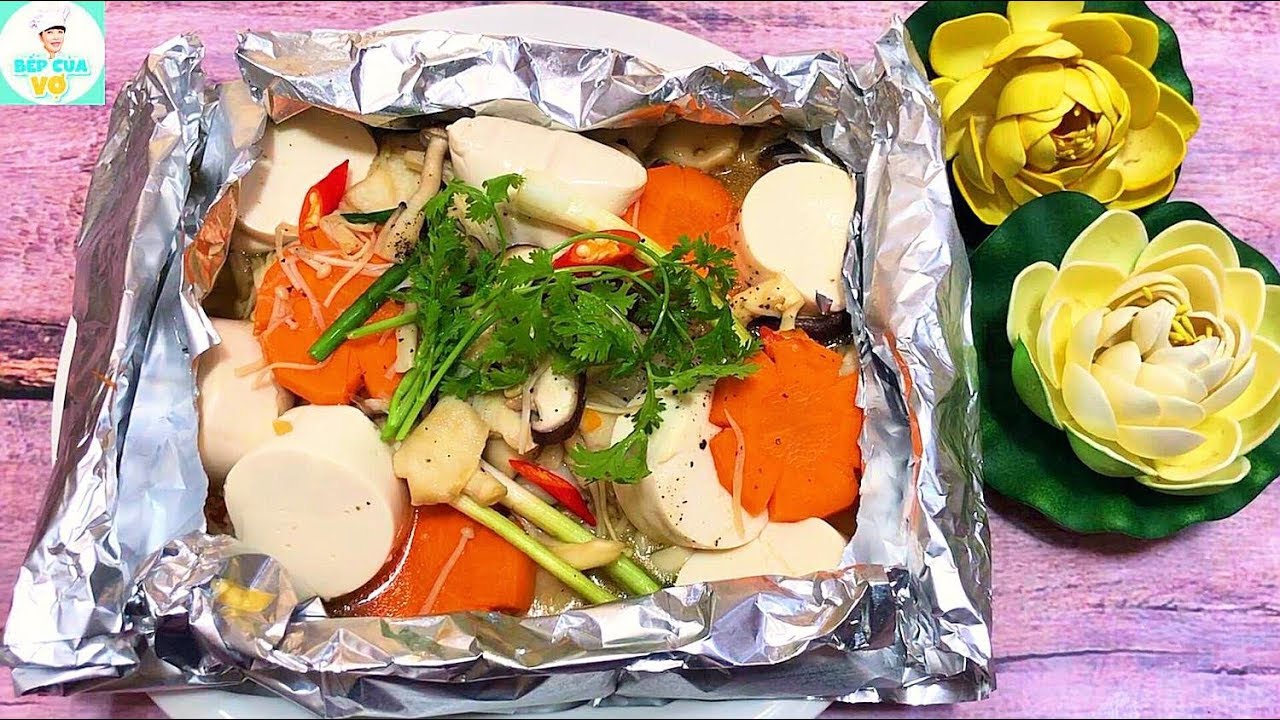
Scenario B: The "Single-Layer" Packet (The Optimal Method) Process: The mushrooms are arranged in a single, even layer within a larger, properly-constructed foil packet.Result: Every mushroom has maximum contact with the hot surface of the foil and is equally exposed to the circulating steam and hot air within the packet. This dual-action cooking method (initial steaming followed by roasting as moisture evaporates) ensures even cooking, consistent browning, and a perfect final texture. This is the only acceptable protocol for high-quality results.
4. Thermal Application: Mastering the Grilling Environment
Argument A: "I'll just toss it directly over the hottest flames. Faster is better." Critique: This is a high-risk, low-reward tactic. While it provides intense bottom-heat, it can easily scorch the marinade and the bottom layer of mushrooms before the center is cooked through. The concentrated heat can also cause the liquid to boil too rapidly, creating a risk of the packet bursting. It sacrifices control for a negligible time-saving.
Argument B (The Strategic View): "The optimal zone is medium, indirect heat. I will place the packet on the upper rack or adjacent to the primary heat source." Justification: This method transforms the grill into a convection oven. The packet is cooked by ambient, circulating heat rather than intense, direct flame. This allows the mushrooms to cook through evenly via the trapped steam, after which they roast gently in their own concentrated juices. It is a controlled, predictable, and far superior method that guarantees a perfectly tender and evenly-browned result.
The Novice Stage: The cook relies exclusively on a timer. "The recipe says 15 minutes." This approach fails to account for variables like grill temperature fluctuation, packet size, or ingredient density. The results are inconsistent.The Intermediate Stage: The cook begins to incorporate visual cues, such as peeking into the packet. This is an improvement but releases critical steam and heat each time it's done, disrupting the cooking process and extending the time required.The Mastery Stage: The cook relies on a holistic, multi-sensory analysis, interpreting the cues the packet provides without opening it.Auditory Cue: You can hear a gentle-to-active sizzle. A frantic, popping sizzle indicates the heat is too high. Silence means the heat is too low or they are finished.Olfactory Cue: A rich, aromatic cloud of garlic and herbs will become fragrant around the 10-12 minute mark. This is the primary indicator that the flavor infusion is at its peak.Tactile Cue: Gently pressing on the top of the packet with tongs will reveal the texture. It should feel full and puffy from steam, but the mushrooms inside will have a slight give, indicating they have softened.
5. From Packet to Plate: The Final Act of Presentation
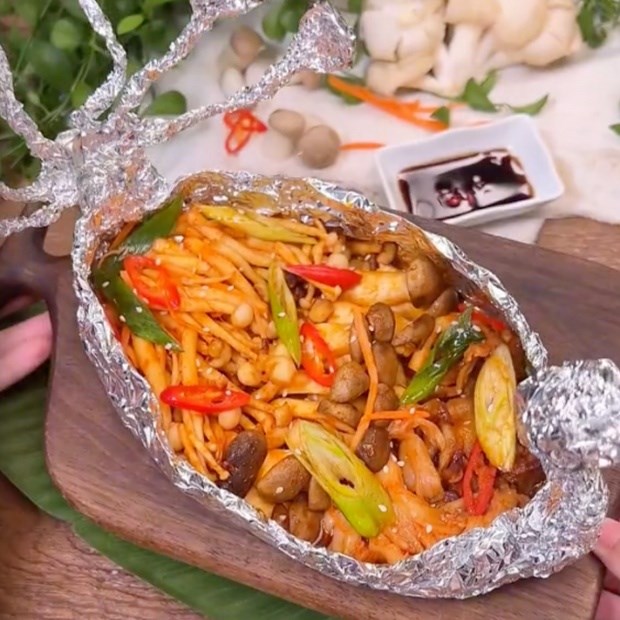
The Case: A weekend barbecue where the foil-grilled mushrooms are intended as a key side dish.The Problem (The "Before"): The host removes the packet from the grill, places it on a side table, and allows guests to serve themselves. The initial aromatic impact is lost, the dish cools quickly, and it is perceived as a low-effort afterthought.The Solution (The "After"): The host implements the "Grand Unveiling" Protocol. The packet is placed on a heat-proof serving platter. Using tongs and a knife, the top of the packet is sliced open directly at the table.The Result: A dramatic plume of garlic-and-herb-infused steam is released, creating a powerful aromatic event that immediately captures everyone's attention. The visual of the glistening, perfectly roasted mushrooms within the foil vessel enhances their appeal. The dish is transformed from a mere side into a moment of culinary theatre, dramatically elevating its perceived value and enjoyment.
Step 1: Deglaze the Vessel. The liquid at the bottom of the foil packet is not waste; it is a highly concentrated, flavorful sauce. Tilt the packet and spoon this liquid over the mushrooms and/or the main course (e.g., a grilled steak).Step 2: Introduce Freshness. The long cooking process mutes the vibrancy of fresh herbs. The final act is to finish the dish with a generous sprinkle of finely chopped fresh parsley or chives. This adds a flash of color and a crucial note of bright, clean flavor that contrasts with the deep roastiness of the mushrooms.Step 3: Consider Acidity & Texture. For an advanced touch, a final squeeze of fresh lemon juice can re-awaken all the flavors. If pairing with a rich dish, a crumble of toasted pine nuts or crispy fried shallots can add a final, welcome textural dimension.
(Conclusion Title) Grilled Mushrooms in Foil Packets: An Investment in Culinary Technique
Loc Tu: Pioneering Excellence in Premium Aluminum Packaging Solutions
Why You Must Choose Loc Tu?
✅ Assured Quality & Safety: Crafted from premium, food-grade aluminum, free from harmful impurities, meeting international safety benchmarks.
🔥 Optimal Thermal Properties: Ensures even cooking and excellent heat retention, preserving food temperature and taste effectively.
💪 Durable & Convenient Design: Engineered to resist leaks and dents, providing reliable performance for baking, storage, and transport.
🔄 Versatile Solutions: Our extensive range caters to various applications – from baking and steaming to storing fresh food and takeaway meals.
🌱 Eco-Conscious Packaging: Made from 100% recyclable aluminum, supporting sustainability and reducing plastic waste.
🎯 Brand Enhancement: Optional custom printing available to personalize products and boost your brand visibility.
🚚 Reliable Supply & Delivery: Capable of handling large orders with dependable, on-schedule nationwide shipping.
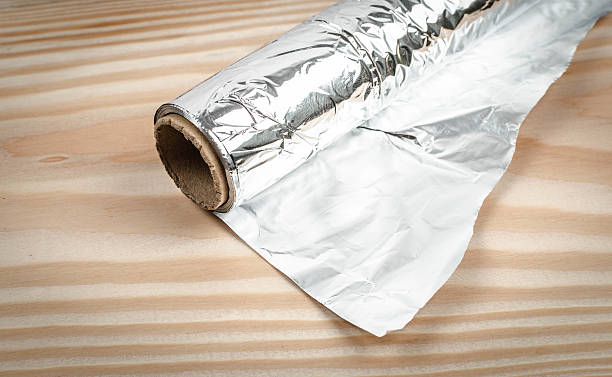
Loc Tu – Trusted Manufacturer of Durable Aluminum Foil Containers and High-Quality, Food-Safe Aluminum Foil Rolls for Your Kitchen
Your Trusted Partner in Food Packaging 📞
📌 LOC TU MANUFACTURING & TRADING CO., LTD
📌 Our Vietnamese Website: Khaynhomthucpham.com
📌 HOTLINE/ZALO: 0969.787.309
📌 Facebook: Aluminum Foil Loc Tu
📌 Youtube: Aluminum Foil Loc Tu
📌 Tik Tok: Aluminum Foil Loc Tu
📌 Instagram: Aluminum Foil Loc Tu
📌 Shopee: Aluminum Foil Loc Tu
📌 Twitter/X: Aluminum Foil Loc Tu
📌 LinkedIn: Aluminum Foil Loc Tu
📌 Pinterest: Aluminum Foil Loc Tu
📌 Tumblr: Aluminum Foil Loc Tu
📌 Threads: Aluminum Foil Loc Tu
📌 Telegram: Aluminum Foil Loc Tu
📌 Whatsapp: 0969.787.309
📌 Branch 1 (Hanoi): No. 1 Pham Tu, Beasky Building, Dai Kim Ward, Hoang Mai District, Hanoi
📌 Branch 2 (Binh Duong): No. 68, DX 051 Street, Group 17, Quarter 4, Phu My Ward, Thu Dau Mot City, Binh Duong Province
📞 Contact us today for expert consultation and the best pricing on premium aluminum trays and foil packaging solutions! 🚀
LOC TU PRODUCTION AND TRADING COMPANY LIMITED
Branch 1 (Binh Duong): No. 68, DX 051 Street, Group 17, Quarter 4, Phu My Ward, Thu Dau Mot City.
Branch 2 (Hanoi): No. 1 Pham Tu, Beasky Building, Dai Kim Ward, Hoang Mai District.
Hotline/Zalo: +84.969787309
Website: Khaynhomthucpham.com
Email: [email protected]

