HIGH QUALITY ALUMINUM FOIL CONTAINERS: OPERATIONAL IN FOODSERVICE
WHOLESALE ALUMINUM FOIL CONTAINERS: OPERATIONAL EXCELLENCE AND PROCUREMENT PROTOCOLS IN FOODSERVICE
(Introduction Title) Beyond a Commodity: Packaging as a Performance Asset
1. Strategic Sourcing: Supply Chain Optimization Through Wholesale Aluminum Foil Containers
Analyzing the Strategic Shift in Procurement
Variable Specs: One location used heavy-dutycommercial aluminum pans , while another used retail-grade foils that deformed during delivery.Pricing Disparity: Procurement costs fluctuated by up to 15% between locations.Supply Risks: Peak service hours were frequently disrupted by stockouts, forcing managers to make emergency retail runs at premium prices.
Competitive Advantages of Direct Wholesale Procurement
Strength - Economy of Scale: Direct sourcing unlocks tiered pricing models unavailable in retail. By committing to volume, businesses lower their Prime Cost (COGS), directly boosting the bottom line. For high-volume items like aluminum food containers wholesale , fractions of a cent accumulate into significant annual capital retention.Strength - Supply Chain Resilience: A direct relationship with a master distributor or manufacturer establishes a secure buffer. In an era of global supply chain volatility, having priority status with a vendor ensures business continuity. Opportunity - Brand Homogeneity: F&B brands die on inconsistency. Sourcing from a single verified supplier ensures that the material thickness, rim style, and lid fit are identical across every order. This reliability builds trust with the end consumer. Opportunity - Portfolio Expansion: Professional suppliers provide access to specialized inventory—such as deep-dish rectangular pans for heavy entrées or multi-compartment containers for bento-style meals—empowering menu innovation beyond standard retail dimensions.
2. Technical Vetting: Quality Parameters and Specification Protocols
Mandatory Material and Structural Specifications
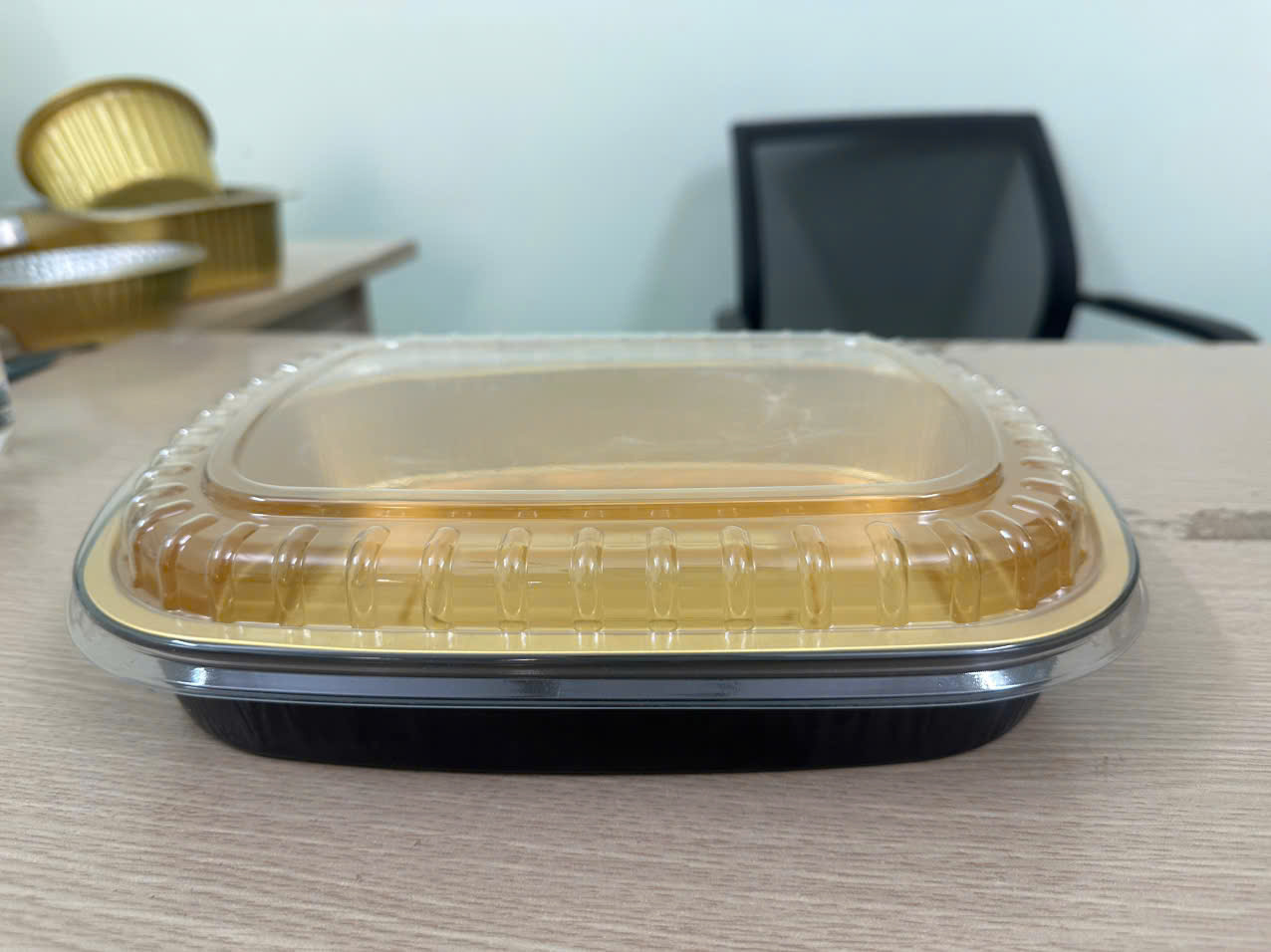
1. Material Chemistry & Certification: The supplier acts as the primary gatekeeper for food safety. A Certificate of Analysis (COA) for the aluminum alloy (typically 8011 or 3003 series) is mandatory. It must certify compliance with FDA or equivalent international Food Grade standards, confirming the absence of heavy metal leaching (Lead, Cadmium).2. Micron Gauge (Wall Thickness): Thickness is the determinant of thermal retention and rigidity. Retail foils often drift below 13 microns (µm). Professional foodservice foil containers require a "Heavy Duty" standard, ideally ≥16 µm to 20 µm depending on the vessel volume. This ensures the rectangular tray holds shape under the weight of dense foods like lasagna or stews.3. Structural Architecture: Rim Style: A "Full Curl" rim is preferred over a "Raw Edge" or "Interrupted Vertical Curl" for superior lid security and rigidity during handling.Bottom Embossing: Enhanced embossing patterns on the base of rectangular trays increase structural strength against buckling without adding weight.
Performance Validation Protocols
The Thermal Load Test (Liquid): Fill a sample rectangular container with near-boiling water (90°C+). Allow it to stand for 30 minutes. Upon inspection, there must be zero deformation of the base sidewalls and absolutely no weeping leaks at the corner folds. The Closure Integrity Test: Apply the accompanying lid (board or plastic). Invert the container at a 45-degree angle. Moderate agitation simulates a motorbike delivery. The lid must remain interlocked with the curled rim; the foil must not collapse inward. The Thermal Shock (Oven) Test: Place the filled container in a commercial convection oven at 220°C (425°F) for 20 minutes. Inspect for alloy discoloration (oxidation) or "off-gassing" odors. A premium container withstands high heat while maintaining its structural form for safe removal.
3. Financial Analysis: The Total Cost of Ownership (TCO) Model
Deconstructing Direct and Hidden Costs
Quadrant 1: Direct Acquisition Costs Invoice price of container and lid. Freight, warehousing, and inventory carrying costs.
Quadrant 2: The Cost of Quality Failure (Hidden Liabilities) Food Waste: Revenue lost from meals refunded due to container collapse or temperature loss.Labor Inefficiency: Kitchen staff compensating for flimsy trays by double-paning (doubling usage cost) or re-cleaning spills in delivery bags.Reputation Tax: The quantifiable metric of Customer Lifetime Value (CLV) lost due to negative delivery reviews citing "messy food" or "leaking sauce."
The Return on Investment (ROI) of Premium Durability
Outcome: A 3% failure rate during transit (leaks, crushed lids).Impact: For every 1,000 orders, 30 are compromised. The cost of refunding/replacing 30 meals vastly outweighs the $20 savings on the batch. Additionally, the algorithm of delivery platforms penalizes the restaurant for complaints.
Outcome: A failure rate of <0.1%.Impact: Operational flow is seamless. Staff trust the packaging. Thermal retention is superior, meaning the customer receives hotter food.Verdict: The premium tray delivers a positive ROI by protecting the product's integrity and securing repeat business. In the B2B context, reliability is the ultimate currency.
4. Operational Integration: Workflow Synergy and Menu Architecture
Unifying the Prep-Cook-Ship Protocol
Legacy Model (Fragmented): Kitchens traditionally operated with high-touch redundancy: Marinating in stainless steel bowls -> Transferring to hotel pans for cooking -> Transferring to plastic or styrofoam for delivery. Result: Excessive dishwashing labor, loss of sauce/fond during transfer, and temperature drops.
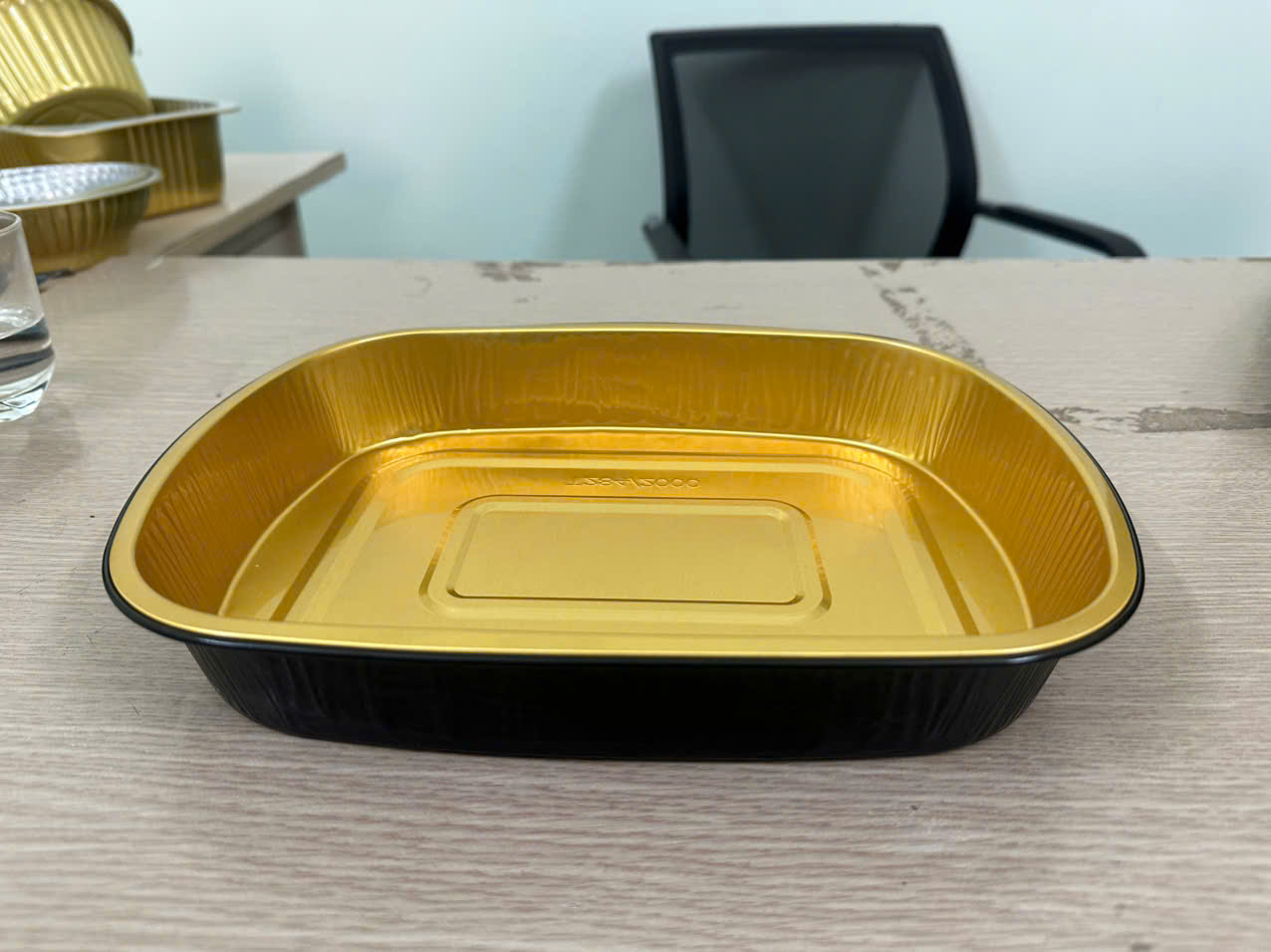
Modern Integrated Model (Streamlined): Utilizing heavy-duty rectangular aluminum trays facilitates a "One-Vessel" workflow. Prep: Proteins and lasagna layers are assembled directly into the foil container.Storage: Containers are lidded and stacked in the walk-in cooler.Execution: The container moves directly to the oven. Aluminum's conductivity ensures even baking.Distribution: The tray is lidded fresh from the oven and dispatched.
Result: Reduced labor hours, reduced water/chemical usage (dishwashing), and the customer receives a tamper-evident, sealed meal.
Modular Menu Engineering Capabilities
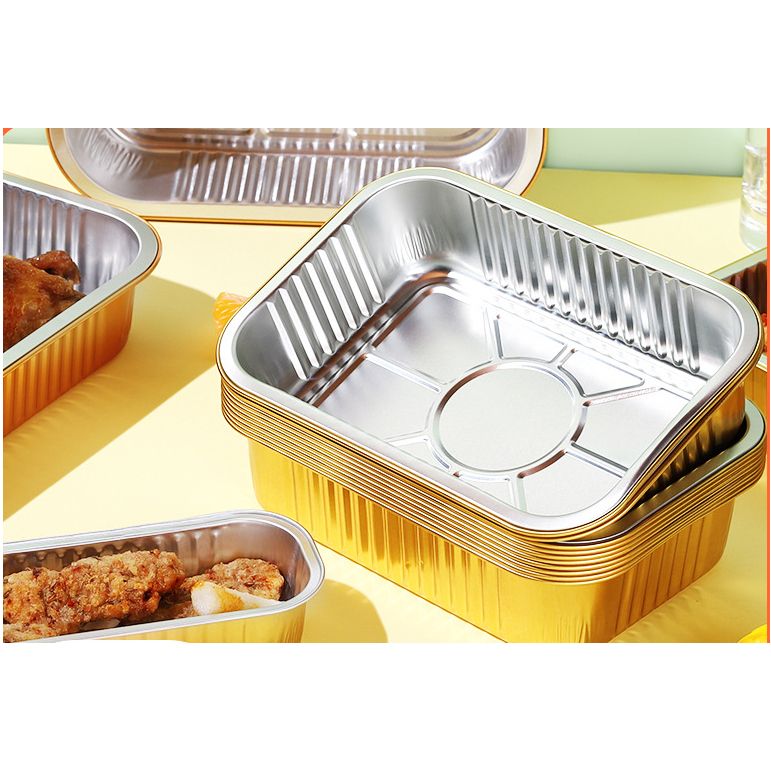
The "Heat-at-Home" Extension: Especially relevant for large rectangular trays. Restaurants can retail family-sized portions of shepherds pie, pasta al forno, or marinated roasts. The Value Prop: The customer receives a professional-grade container that is oven-ready. This positions the restaurant not just as a delivery service, but as a "Home Meal Solution," competing with grocery retail.Tech Note: Using containers with hemmed edges prevents injury to the end-consumer, a crucial liability consideration forrestaurant packaging supplies .
5. Vendor Ecosystems: Constructing a Resilient Supply Partnership
Due Diligence in Supplier Selection
The Tactical Buyer (Risk): "This digital marketplace offers a generic tray at 5% below market rate. We should switch immediately."The Strategic Director (Authority): "That price is deceptive. Do they possess FDA documentation for this specific batch? Can they guarantee supply continuity during the Lunar New Year surge? Do they have a domestic warehouse for rapid deployment if we scale? We do not buy products; we buy reliability."
The Loc Tu Standard: A Collaborative Partnership Model
Operational Diagnosis: We audit your menu density and delivery radius to recommend the specific gauge and depth of container required.Product Optimization: We provide tailored solutions, from rectangular bulk trays to precision-lidded individual portions, backed by full safety dossiers (ISO, HACCP, Food Grade compliance).Volume Forecasting: We assist clients in predicting seasonal demand, structuring delivery schedules that optimize cash flow without risking stockouts.Feedback Loop: A dedicated account manager processes feedback to continuously refine the supply specification.
(Conclusion Title) The Operational Imperative of Premium Packaging
Loc Tu: Pioneering Excellence in Premium Aluminum Packaging Solutions
Why You Must Choose Loc Tu?
✅ Assured Quality & Safety: Crafted from premium, food-grade aluminum, free from harmful impurities, meeting international safety benchmarks.
🔥 Optimal Thermal Properties: Ensures even cooking and excellent heat retention, preserving food temperature and taste effectively.
💪 Durable & Convenient Design: Engineered to resist leaks and dents, providing reliable performance for baking, storage, and transport.
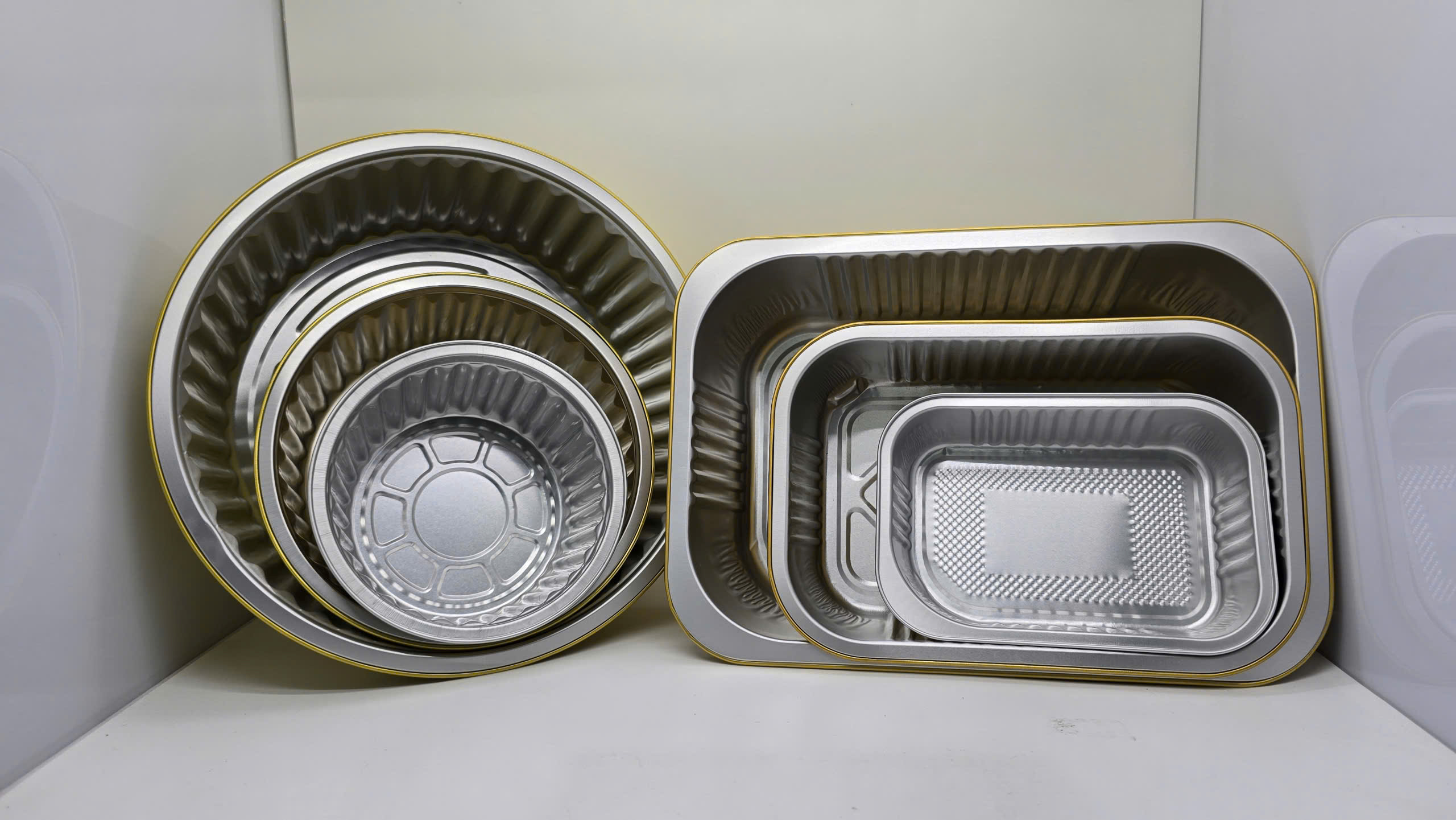
🔄 Versatile Solutions: Our extensive range caters to various applications – from baking and steaming to storing fresh food and takeaway meals.
🌱 Eco-Conscious Packaging: Made from 100% recyclable aluminum, supporting sustainability and reducing plastic waste.
🎯 Brand Enhancement: Optional custom printing available to personalize products and boost your brand visibility.
🚚 Reliable Supply & Delivery: Capable of handling large orders with dependable, on-schedule nationwide shipping.
Loc Tu – Trusted Manufacturer of Durable Aluminum Foil Containers and High-Quality, Food-Safe Aluminum Foil Rolls for Your Kitchen
Your Trusted Partner in Food Packaging 📞
📌 LOC TU MANUFACTURING & TRADING CO., LTD
📌 Our Vietnamese Website: Khaynhomthucpham.com
📌 HOTLINE/ZALO: 0969.787.309
📌 Facebook: Aluminum Foil Loc Tu
📌 Youtube: Aluminum Foil Loc Tu
📌 Tik Tok: Aluminum Foil Loc Tu
📌 Instagram: Aluminum Foil Loc Tu
📌 Shopee: Aluminum Foil Loc Tu
📌 Twitter/X: Aluminum Foil Loc Tu
📌 LinkedIn: Aluminum Foil Loc Tu
📌 Pinterest: Aluminum Foil Loc Tu
📌 Tumblr: Aluminum Foil Loc Tu
📌 Threads: Aluminum Foil Loc Tu
📌 Telegram: Aluminum Foil Loc Tu
📌 Whatsapp: 0969.787.309
📌 Branch 1 (Hanoi): No. 1 Pham Tu, Beasky Building, Dai Kim Ward, Hoang Mai District, Hanoi
📌 Branch 2 (Binh Duong): No. 68, DX 051 Street, Group 17, Quarter 4, Phu My Ward, Thu Dau Mot City, Binh Duong Province
📞 Contact us today for expert consultation and the best pricing on premium aluminum trays and foil packaging solutions! 🚀
LOC TU PRODUCTION AND TRADING COMPANY LIMITED
Branch 1 (Binh Duong): No. 68, DX 051 Street, Group 17, Quarter 4, Phu My Ward, Thu Dau Mot City.
Branch 2 (Hanoi): No. 1 Pham Tu, Beasky Building, Dai Kim Ward, Hoang Mai District.
Hotline/Zalo: +84.969787309
Website: Khaynhomthucpham.com
Email: [email protected]

