ROASTING VEGETABLES IN ALUMINUM FOIL: A SCIENTIFIC TO MAXIMIZING
ROASTING VEGETABLES IN ALUMINUM FOIL: A SCIENTIFIC GUIDE TO MAXIMIZING FLAVOR AND NUTRITION
(Introduction Title) Transforming a Simple Technique into Culinary Excellence
TABLE OF CONTENTS
The Scientific Principle: Why Roasting Vegetables in Aluminum Foil Is SuperiorThe Foundation Stage: Ingredient Preparation for Roasting Vegetables in Aluminum Foil The Technical Process: Mastering Heat Control When Roasting Vegetables in Aluminum Foil Advanced Applications: Creative Recipes for Roasting Vegetables in Aluminum Foil The Quality Standard: Choosing the Right Aluminum Foil
1. The Scientific Principle: Why Roasting Vegetables in Aluminum Foil Is Superior
An analysis of the combined heat-transfer environment
Phase 1: The Steaming Environment. Initially, the sealed foil packet traps the natural moisture released from the vegetables. This creates a high-humidity, moist-heat environment. This gentle steam quickly and evenly cooks the vegetables' interior, ensuring they become tender without drying out. This process is crucial for denser vegetables like potatoes and carrots.Phase 2: The Roasting Environment. As the temperature increases, the trapped moisture turns into superheated steam. This intense heat, combined with the excellent thermal conductivity of thealuminum foil for roasting , begins the roasting process. It cooks the vegetables much faster than dry air alone. The sealed environment also concentrates the natural sugars and flavors.
A performance comparison with traditional roasting methods
The "Before" Scenario (Open-Pan Roasting): Vegetables are spread on an open baking sheet. The dry, circulating heat of the oven attacks the surface. This can lead to smaller pieces burning before larger pieces are cooked through. The natural moisture evaporates into the oven, and delicate flavors can be lost. Result: A less consistent, often drier product. The "After" Scenario ( roasted vegetable foil packets ):The foil packet creates a self-contained, self-basting environment. The vegetables cook evenly in their own flavorful steam. There is minimal moisture loss. Every piece, from the center to the edges of the packet, is perfectly tender and infused with flavor. This answers the question of how to avoid soggy roasted vegetables . Result: A more consistent, flavorful, and moist product.
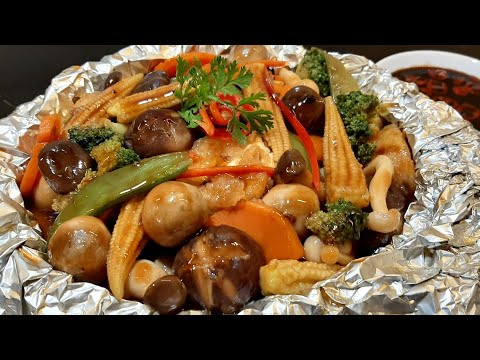
Image Content: A scientific diagram illustrating the two phases inside a foil packet. Phase 1 shows gentle steam cooking the vegetables. Phase 2 shows high heat and concentrated flavors roasting the vegetables.Caption: A hybrid cooking environment: combining the benefits of steaming and roasting.ALT Text: The scientific principle behind the success of roasting vegetables in aluminum foil.
2. The Foundation Stage: Ingredient Preparation for Roasting Vegetables in Aluminum Foil
The principle of uniform cutting for even cooking
The Case: A home cook attempts to roast a mix of baby potatoes, broccoli florets, and sliced bell peppers together.The Common Mistake: They leave the potatoes whole, the broccoli in large florets, and the peppers in thin strips. After 25 minutes, the peppers are burnt, the broccoli is mushy, and the potatoes are still hard in the center.The Professional Solution: The key is to cut ingredients based on their density and cooking time.Dense vegetables (potatoes, carrots, parsnips): Cut into smaller, uniform pieces (e.g., 1-inch cubes).Medium-density vegetables (broccoli, cauliflower, onions): Cut into slightly larger florets or wedges.Fast-cooking vegetables (bell peppers, zucchini, mushrooms): Cut into the largest pieces.This technique of uniform cooking potential, not just uniform size, is critical for oven roasted vegetables in foil .
The role of oil and seasoning in the process
"Oil is not just for preventing sticking when roasting vegetables in aluminum foil . It serves a critical scientific purpose. Fat is a much better conductor of heat than air. A thin coating of oil on the vegetables facilitates more efficient heat transfer from the foil to the food surface.
This promotes faster cooking and better surface browning (Maillard reaction). Furthermore, many aromatic compounds in herbs and spices are fat-soluble. The oil acts as a solvent, helping to extract and distribute these flavors evenly." - Analysis from a food scientist.
3. The Technical Process: Mastering Heat Control When Roasting Vegetables in Aluminum Foil
The two-stage heating technique for optimal texture
The Sealed Stage (Tenderness): Action: Crimp the foil packet tightly to create a perfect seal. Place it in a preheated oven at a high temperature (e.g., 400°F / 200°C).Purpose: The first 15-20 minutes of cooking are dedicated to steaming the vegetables in their own moisture. This makes them perfectly tender on the inside.
The Unsealed Stage (Browning): Action: Carefully open the top of the foil packet to allow the steam to escape. Return it to the oven.Purpose: The final 10-15 minutes in the dry oven heat allow the surface moisture to evaporate. This enables the Maillard reaction and caramelization to occur, creating the delicious browned and crispy edges.
Best practices for foil packet construction
The Myth: "Any old fold will do, as long as it's closed."The Truth: 🧐 An improper seal is the primary cause of failure. It allows steam to escape too early, leading to dry vegetables.The Professional Sealing Technique for healthy foil packet meals :Place vegetables in the center of a large sheet of heavy-duty foil. Bring the two long sides of the foil together above the food. Fold these two edges over together multiple times (at least 3-4 folds), creating a tight, flat seam. Crimp the two short ends tightly to complete the seal. This technique creates a durable, leak-proof packet that will effectively trap steam. This is the essence of how to roast vegetables in foil .
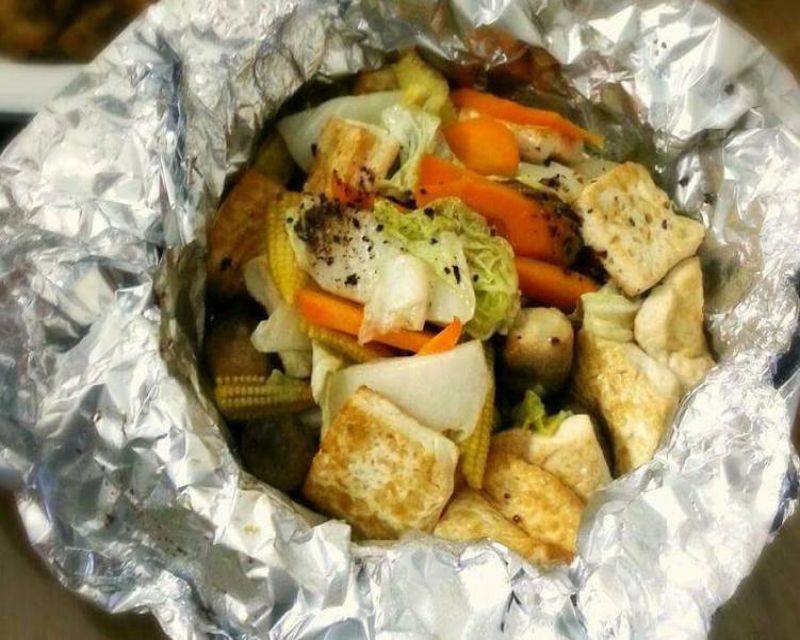
Image Content: A person's hands are demonstrated performing the professional sealing technique on a foil packet, folding the top edges together multiple times to create a tight seam.Caption: A perfect seal is the most critical technical step for trapping moisture.ALT Text: A demonstration of the proper sealing technique for roasting vegetables in aluminum foil.
4. Advanced Applications: Creative Recipes for Roasting Vegetables in Aluminum Foil
Recipe concept 1: Mediterranean roasted vegetable foil packets
Module 1 (The Vegetable Base): Zucchini (courgette), Bell peppers (red, yellow), Red onion, Cherry tomatoes.
Module 2 (The Protein - Optional): Cubed chicken breast or Chickpeas (garbanzo beans).
Module 3 (The Flavor Core): Olive oil, Minced garlic, Dried oregano, Lemon juice.
Module 4 (The Finishers - Add after opening the foil): Kalamata olives, Feta cheese, Fresh parsley.
Recipe concept 2: Root vegetable medley
Ingredients: 1 lb (450g) baby potatoes, halved 2 large carrots, sliced 1 large parsnip, cubed 1 head of garlic, top sliced off 2 sprigs of fresh rosemary 2 tbsp olive oil Salt and black pepper
Process: Toss all vegetables with olive oil, salt, and pepper in a bowl. Place the vegetable mixture in the center of a large sheet of foil. Place the garlic head and rosemary sprigs on top. Seal tightly and roast at 400°F (200°C) for 30-40 minutes. Open the foil and roast for another 15 minutes until golden. The best vegetables for roasting in foil are often the simplest.
5. The Quality Standard: Choosing the Right Aluminum Foil
Why heavy-duty foil is a mandatory choice
The Position of Standard Foil: "I'm cheaper and get the basic job done."The Position of Heavy-Duty Foil (The Professional's Choice): "However, I offer superior performance and safety. I am much less likely to tear or be punctured by vegetable stems. I hold my shape better, making a more secure seal. My greater thickness also provides better heat distribution. The small additional cost for aheavy duty aluminum foil is a worthwhile investment in a predictable, high-quality result."
Key criteria for selecting your aluminum foil
"For any cooking application, especially those involving high heat, it is imperative to choose an aluminum foil for roasting that is explicitly certified as 'Food Grade.' This certification ensures the aluminum alloy is of high purity and free from harmful heavy metals.
Reputable brands like Loc Tu build their reputation on this non-negotiable standard of safety and transparency." - An excerpt from a food packaging safety report.
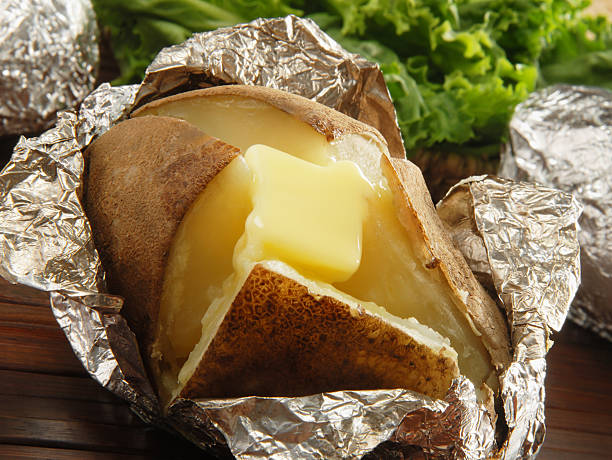
Image Content: A professional product shot of a high-quality, heavy-duty Loc Tu aluminum foil roll. The packaging clearly features "Food Grade" and "Heavy Duty" labels.Caption: Professional results begin with professional-grade materials.ALT Text: A high-quality Loc Tu aluminum foil product, the standard for roasting vegetables in aluminum foil.
(Conclusion Title) Roasting Vegetables in Aluminum Foil: A Convergence of Science and Art
Loc Tu: Pioneering Excellence in Premium Aluminum Packaging Solutions
Why You Must Choose Loc Tu?
✅ Assured Quality & Safety: Crafted from premium, food-grade aluminum, free from harmful impurities, meeting international safety benchmarks.
🔥 Optimal Thermal Properties: Ensures even cooking and excellent heat retention, preserving food temperature and taste effectively.
💪 Durable & Convenient Design: Engineered to resist leaks and dents, providing reliable performance for baking, storage, and transport.
🔄 Versatile Solutions: Our extensive range caters to various applications – from baking and steaming to storing fresh food and takeaway meals.
🌱 Eco-Conscious Packaging: Made from 100% recyclable aluminum, supporting sustainability and reducing plastic waste.
🎯 Brand Enhancement: Optional custom printing available to personalize products and boost your brand visibility.
🚚 Reliable Supply & Delivery: Capable of handling large orders with dependable, on-schedule nationwide shipping.
Loc Tu – Trusted Manufacturer of Durable Aluminum Foil Containers and High-Quality, Food-Safe Aluminum Foil Rolls for Your Kitchen
Your Trusted Partner in Food Packaging 📞
📌 LOC TU MANUFACTURING & TRADING CO., LTD
📌 Our Vietnamese Website: Khaynhomthucpham.com
📌 HOTLINE/ZALO: 0969.787.309
📌 Facebook: Aluminum Foil Loc Tu
📌 Youtube: Aluminum Foil Loc Tu
📌 Tik Tok: Aluminum Foil Loc Tu
📌 Instagram: Aluminum Foil Loc Tu
📌 Shopee: Aluminum Foil Loc Tu
📌 Twitter/X: Aluminum Foil Loc Tu
📌 LinkedIn: Aluminum Foil Loc Tu
📌 Pinterest: Aluminum Foil Loc Tu
📌 Tumblr: Aluminum Foil Loc Tu
📌 Threads: Aluminum Foil Loc Tu
📌 Telegram: Aluminum Foil Loc Tu
📌 Whatsapp: 0969.787.309
📌 Branch 1 (Hanoi): No. 1 Pham Tu, Beasky Building, Dai Kim Ward, Hoang Mai District, Hanoi
📌 Branch 2 (Binh Duong): No. 68, DX 051 Street, Group 17, Quarter 4, Phu My Ward, Thu Dau Mot City, Binh Duong Province
📞 Contact us today for expert consultation and the best pricing on premium aluminum trays and foil packaging solutions! 🚀
LOC TU PRODUCTION AND TRADING COMPANY LIMITED
Branch 1 (Binh Duong): No. 68, DX 051 Street, Group 17, Quarter 4, Phu My Ward, Thu Dau Mot City.
Branch 2 (Hanoi): No. 1 Pham Tu, Beasky Building, Dai Kim Ward, Hoang Mai District.
Hotline/Zalo: +84.969787309
Website: Khaynhomthucpham.com
Email: [email protected]

