THE ALCHEMY ENCLOSED GRILLING: MASTERING VEGETABLES IN ALUMINUM FOIL
THE ALCHEMY OF ENCLOSED GRILLING: MASTERING VEGETABLES IN ALUMINUM FOIL
(Introduction Title) Controlled Thermodynamics: The Chef’s Secret Weapon
TABLE OF CONTENTS
The Gastronomic Logic: Principles of Foil-Encased Thermal Cooking Ingredient Engineering: Selection Metrics for High-Heat Environments Vessel Construction: Technical Specifications for The Aluminum Seal Thermal Execution: Managing Heat Transfer and Cook Times Sensory Integration: Plating and The Olfactory Release THE ALCHEMY OF ENCLOSED GRILLING: MASTERING VEGETABLES IN ALUMINUM FOIL
1. The Gastronomic Logic: Principles of Foil-Encased Thermal Cooking
Defining the thermodynamics of the aluminum micro-environment
The sensory advantages of the sealed system
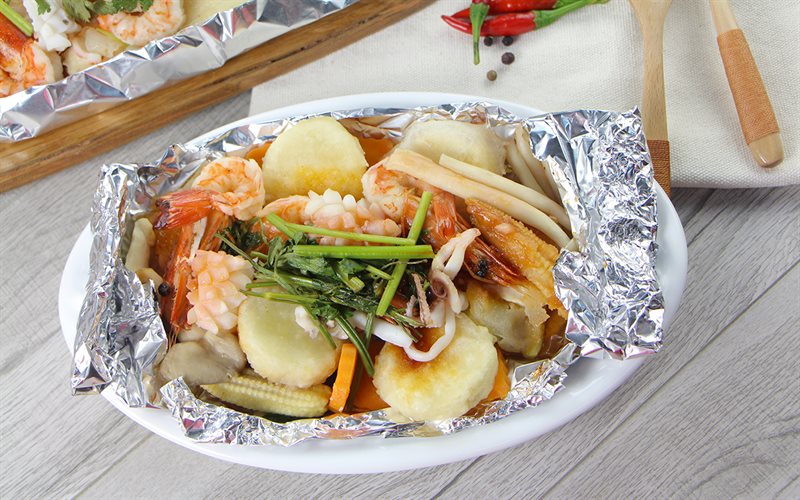
Strength - Moisture Retention: The primary advantage. The hermetic seal prevents the evaporation of cellular water content. Vitamins and minerals often lost in boiling or direct grilling are re-absorbed into the vegetable matrix.Strength - Flavor Infusion: Oils, herbs, and seasonings trapped inside the foil interact under pressure. The heat forces aromaticsinto the vegetable fibers rather than burning them off the surface.Opportunity - Operational Efficiency: Packets can be pre-assembled during prep hours (mise en place), stored in coolers, and fired on demand. This is a massive labor-saving strategy during service peaks.Opportunity - Versatility: This method allows for the introduction of liquids (wines, vinegars, soy sauce) that would be impossible on a standard grate.
2. Ingredient Engineering: Selection Metrics for High-Heat Environments
Categorizing vegetable density for synchronized doneness
High-Density (Group A): Potatoes, Carrots, Sweet Potatoes, Beets.Protocol: Must be cut into smaller dimensions (1/2 inch cubes) or par-cooked. They require the longest thermal exposure (25-30 mins).
Medium-Density (Group B): Bell Peppers, Onions, Broccoli florets, Cauliflower.Protocol: The anchor of the mix. Standard 1-inch bite-sized cuts.
Low-Density/High Moisture (Group C): Zucchini, Yellow Squash, Mushrooms, Asparagus tips.Protocol: Cut larger or add later. If cut too small, they will disintegrate into mush before Group A is tender.The "Uniformity Rule": For a single packet mix, adjust cut sizes inversely to density. Cut potatoes small; cut zucchini large. This ensures the entire medley reaches peak texture simultaneously.
The chemistry of emulsification within the packet
The Lipid Foundation: Olive oil or butter is non-negotiable. It conducts heat and protects the vegetable surface.The Acid Component: A splash of Balsamic or Lemon Juice. In the closed packet, the acid helps break down fibrous structures, making the vegetables tender while brightening the flavor profile.The Savory Binding: Garlic (minced) and herbs (Thyme, Rosemary). In an open grill, garlic burns instantly. In foil, it mellows and infuses the oil, creating a garlic confit-like effect that coats every ingredient.Test: Shake the raw ingredients in a bowl vigorously to create a micro-emulsion coatingbefore placing them on the foil.
3. Vessel Construction: Technical Specifications for The Aluminum Seal
Selecting the material caliber and thickness
Branch 1: Standard Foil (Household) Thin (~12 microns). Risk: Tears easily with sharp root vegetables. Prone to puncture from tongs. Verdict: Unsuitable for professional grilling unless double-wrapped (inefficient).
Branch 2: Heavy-Duty Commercial Foil Thick (18-24 microns). Benefit: Structural rigidity holds the "tent" shape. Withstands direct coal contact. Verdict: The Mandatory Standard. It allows for manipulation without structural failure.
Branch 3: Non-Stick Treated Foil Benefit: Prevents caramelized sugars (from carrots/onions) from adhering to the skin. Excellent for high-sugar marinades.
The "Drugstore Wrap" vs. "Tent" methodologies
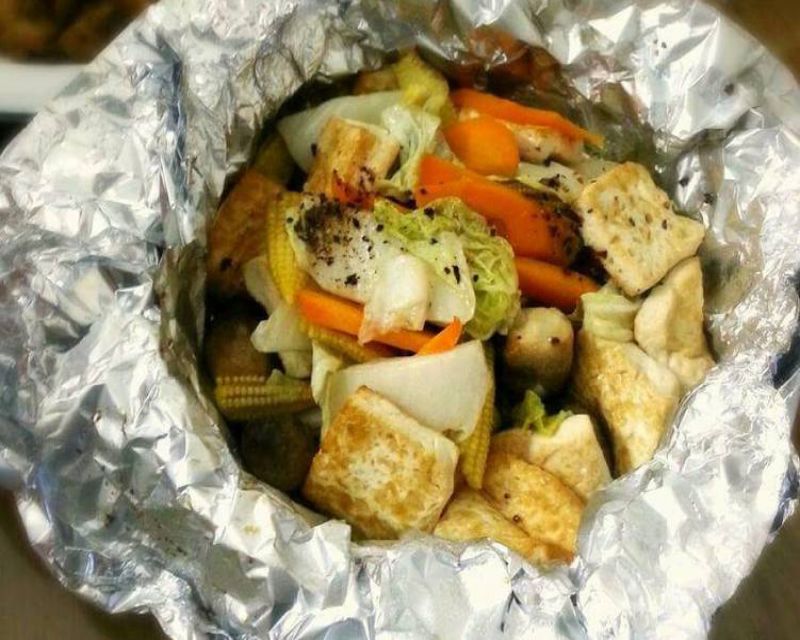
Result: Faster cooking due to direct contact.Downside: Higher risk of scorching the bottom layer. Less room for steam expansion. Ideal for sliced potatoes.Method B - The Volumetric Tent: Sides are brought up high and crimped at the peak, leaving air space above the vegetables. Result: Superior convection. The trapped steam circulates efficiently, cooking the top layer evenly with the bottom.The "Leak-Proof" Protocol: Double folding the seams is critical. A single fold allows liquids to boil out, causing flare-ups and dry food. A tight, crimped double-fold creates the necessary hermetic pressure.
4. Thermal Execution: Managing Heat Transfer and Cook Times
Process integration into the grilling workflow
Legacy Method: Placing packets directly over high flames (Direct Heat).Risk: The bottom layer burns before the center steams.
Professional Integration: Utilization of theTwo-Zone Fire .Zone 1 (High Heat): Searing proteins (Steaks/Burgers).Zone 2 (Medium/Indirect Heat): This is the domain of the Foil Packet. Placing the packet on the cooler side (or upper rack) allows the internal ambient heat (approx 375°F / 190°C) to penetrate the packet gently.Finishing Move: To caramelize, slide the packet directly over the coals for the final 3-5 minutes. The foil transmits the intense heat to brown the bottom layer without incinerating the contents.
Establishing the chronometer standards
The Root Module: (Potatoes/Carrots) -> 25-30 Minutes total time. Rotate 180 degrees at the halfway mark to ensure even heat on the grate side.The Soft Veg Module: (Peppers/Zucchini/Onions) -> 15-20 Minutes.The Greens Module: (Asparagus/Green Beans) -> 10-12 Minutes.Tip: If mixing all three, stick to the 20-minute mark but cut roots small and greens thick.Auditory Cue: Listen to the packet. A vigorous "sizzling" sound indicates the water has evaporated and the oil is now frying the vegetables—this means it is time to pull them off.
5. Sensory Integration: Plating and The Olfactory Release
The dynamics of presentation and tableside theatre
Argument A (Back-of-House Plating): Open the packet in the kitchen, dump into a bowl, serve.Critique: You lose the "magic." The steam dissipates in the kitchen, not in front of the guest.
Argument B (The Strategic View - "Table Service"): Serve the packet sealed (or slightly vented) on the plate.Benefit: The"Olfactory Burst." When the customer (or waiter) opens the foil, a concentrated cloud of rosemary-garlic steam creates a multi-sensory experience. It signals "Freshness" and "Heat" immediately.Visuals: The vegetables inside remain glistening with their own juices, unlike air-dried grilled veggies. It perceives as a higher-value, chef-curated item.
Flavor pairing and final composition
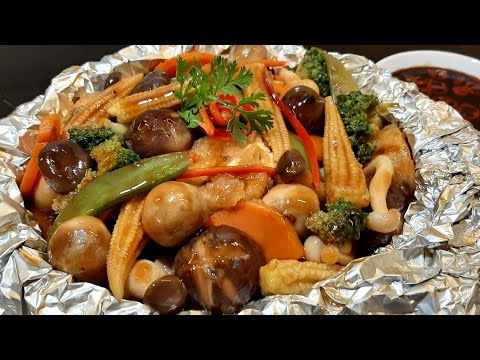
Fresh Herbs: A pinch of fresh parsley or basil addedafter cooking. Cooked herbs provide base notes; fresh herbs provide high notes.Texture Contrast: Toasted pine nuts, crumbled Feta cheese, or coarse sea salt.Acid Correction: A final squeeze of fresh lemon. The cooking acid mellows; fresh acid spikes the palate.By controlling these final variables, the foil packet transitions from a camping staple to a restaurant-quality accompaniment.
(Conclusion Title) The Foil Packet: A Study in Flavor Retention
Loc Tu: Pioneering Excellence in Premium Aluminum Packaging Solutions
Why You Must Choose Loc Tu?
✅ Assured Quality & Safety: Crafted from premium, food-grade aluminum, free from harmful impurities, meeting international safety benchmarks.
🔥 Optimal Thermal Properties: Ensures even cooking and excellent heat retention, preserving food temperature and taste effectively.
💪 Durable & Convenient Design: Engineered to resist leaks and dents, providing reliable performance for baking, storage, and transport.
🔄 Versatile Solutions: Our extensive range caters to various applications – from baking and steaming to storing fresh food and takeaway meals.
🌱 Eco-Conscious Packaging: Made from 100% recyclable aluminum, supporting sustainability and reducing plastic waste.
🎯 Brand Enhancement: Optional custom printing available to personalize products and boost your brand visibility.
🚚 Reliable Supply & Delivery: Capable of handling large orders with dependable, on-schedule nationwide shipping.
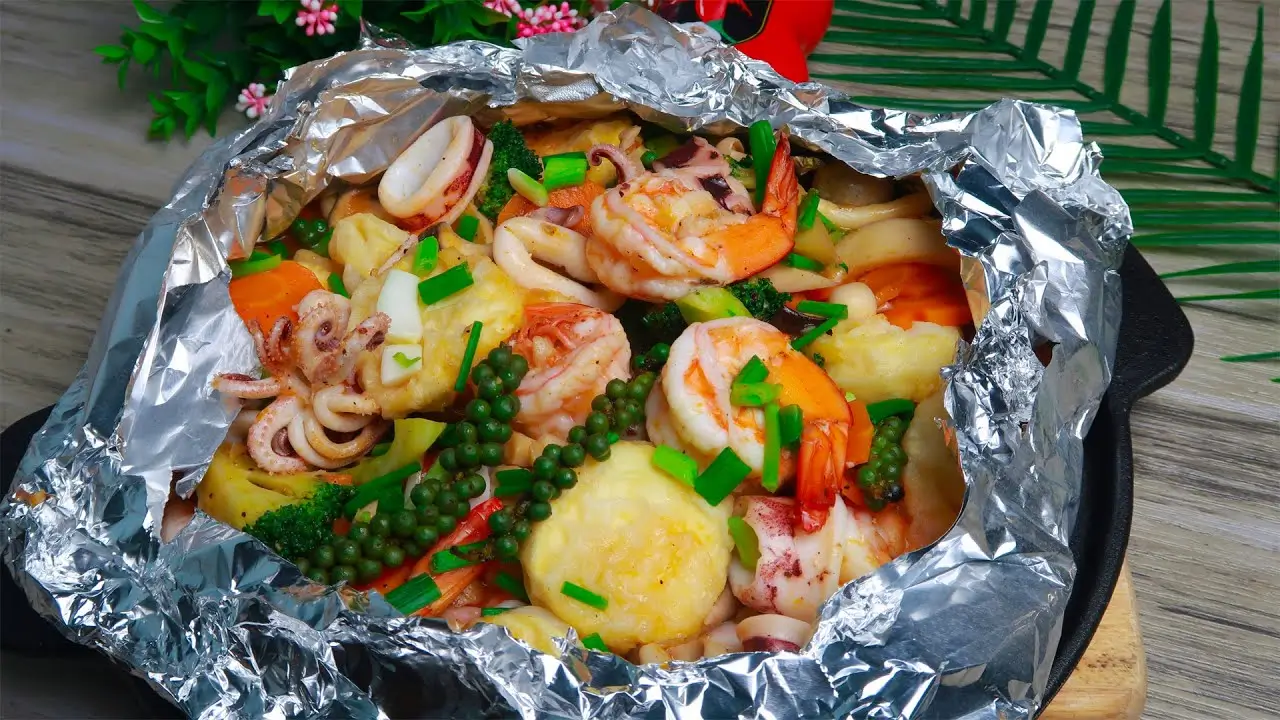
Loc Tu – Trusted Manufacturer of Durable Aluminum Foil Containers and High-Quality, Food-Safe Aluminum Foil Rolls for Your Kitchen
Your Trusted Partner in Food Packaging 📞
📌 LOC TU MANUFACTURING & TRADING CO., LTD
📌 Our Vietnamese Website: Khaynhomthucpham.com
📌 HOTLINE/ZALO: 0969.787.309
📌 Facebook: Aluminum Foil Loc Tu
📌 Youtube: Aluminum Foil Loc Tu
📌 Tik Tok: Aluminum Foil Loc Tu
📌 Instagram: Aluminum Foil Loc Tu
📌 Shopee: Aluminum Foil Loc Tu
📌 Twitter/X: Aluminum Foil Loc Tu
📌 LinkedIn: Aluminum Foil Loc Tu
📌 Pinterest: Aluminum Foil Loc Tu
📌 Tumblr: Aluminum Foil Loc Tu
📌 Threads: Aluminum Foil Loc Tu
📌 Telegram: Aluminum Foil Loc Tu
📌 Whatsapp: 0969.787.309
📌 Branch 1 (Hanoi): No. 1 Pham Tu, Beasky Building, Dai Kim Ward, Hoang Mai District, Hanoi
📌 Branch 2 (Binh Duong): No. 68, DX 051 Street, Group 17, Quarter 4, Phu My Ward, Thu Dau Mot City, Binh Duong Province
📞 Contact us today for expert consultation and the best pricing on premium aluminum trays and foil packaging solutions! 🚀
LOC TU PRODUCTION AND TRADING COMPANY LIMITED
Branch 1 (Binh Duong): No. 68, DX 051 Street, Group 17, Quarter 4, Phu My Ward, Thu Dau Mot City.
Branch 2 (Hanoi): No. 1 Pham Tu, Beasky Building, Dai Kim Ward, Hoang Mai District.
Hotline/Zalo: +84.969787309
Website: Khaynhomthucpham.com
Email: [email protected]

