THE CULINARY ALCHEMY OF FOIL-WRAPPED GRILLING: A BLUEPRINT FOR THE HOME CHEF
(Introduction Title) Beyond the Backyard BBQ: The Foil Packet as a Culinary Vessel
In the vast landscape of home cooking, grilling often represents a primal connection to fire and flavor. However, within this discipline lies a technique of profound elegance and scientific precision: foil-packet grilling. This method, often relegated to campsite convenience, is, in fact, a sophisticated culinary system with immense potential. It transforms the humble sheet of aluminum foil from a mere wrapping into a high-performance cooking vessel, a self-contained environment where heat, moisture, and flavor converge in a process of culinary alchemy.
This document is not a simple collection of recipes. It is a technical deconstruction of a culinary process. ✍️ Authored from the perspective of a culinary strategist, this analysis will dissect the principles that govern foil-wrapped grilling. We will establish a framework for flavor engineering. We will perform a deep dive into the thermal dynamics that dictate texture and doneness. We will outline a protocol for creating a complete, multi-sensory experience from assembly to presentation. This blueprint is engineered for the discerning home chef, the culinary enthusiast who understands that true mastery lies not just in what you cook, but in precisely how you control the cooking environment.
TABLE OF CONTENTS
The Foundational Principles: The Science and Art of Foil-Wrapped Grilling
The Flavor Matrix: Engineering the Perfect Marinade and Filling
Thermal Dynamics: Mastering Heat for Unparalleled Results
The Sensory Blueprint: From Assembly to Final Presentation
Advanced Techniques and Culinary Expansion
1. The Foundational Principles: The Science and Art of Foil-Wrapped Grilling
The decision to employ the foil-packet method is a fundamental shift from open-flame grilling to a controlled, enclosed-environment technique. It moves the home chef from a reactive mode of cooking—constantly turning and managing flare-ups—to a proactive, strategic approach with significant culinary benefits.
Defining the strategic role of foil-packet grilling
The Case: "Mark," an enthusiastic home griller.
The Problem (The "Before"): Mark’s direct grilling efforts often produced inconsistent results. Chicken breasts were frequently dry on the outside and undercooked near the bone. Steaks would be charred from flare-ups, and delicate vegetables would either burn or fall through the grates. The process was stressful and the outcomes, unpredictable.
The Solution (The "After"): Mark adopted the foil-packet grilling methodology. He learned to construct packets that enclosed marinated proteins with aromatic vegetables and a small amount of liquid.
The Result: He achieved a new level of control and consistency. The enclosed environment steamed and roasted the ingredients simultaneously, producing incredibly moist and tender chicken. The vegetables absorbed the flavorful juices from the meat, becoming a highlight of the meal rather than an afterthought. The process was streamlined, with preparation done in advance and cleanup reduced to simply discarding the foil. This demonstrates the transition from a culinary gamble to a strategic execution.
The key advantages of the foil-packet technique
Strength - Flavor Infusion: The primary advantage is creating a sealed environment. Aromatics, marinades, and juices are trapped, creating a concentrated steam bath that deeply infuses every component. This is a far more efficient flavor-delivery system than open-air grilling.
Strength - Moisture Retention: The technique is essentially a combination of steaming and roasting (braising, even). This prevents the evaporative moisture loss common in direct grilling, guaranteeing exceptionally juicy results, especially for lean proteins like chicken and fish.
Opportunity - Culinary Versatility: Foil packets open up a vast range of possibilities not achievable on an open grate. You can incorporate sauces, liquids, and delicate ingredients like seafood or chopped vegetables without fear of loss or disintegration. It allows for the creation of complete, one-packet meals.
Opportunity - Unparalleled Convenience: From preparation to cleanup, the process is incredibly efficient. Packets can be assembled hours in advance, making it ideal for entertaining. Post-meal cleanup is virtually non-existent, a significant advantage over scrubbing a greasy grill and multiple pans.
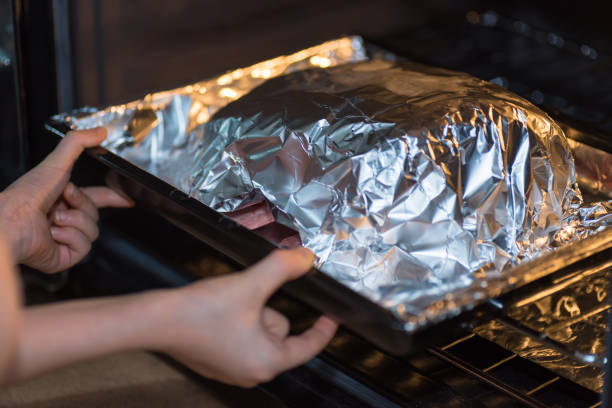
[IMAGE 1 DESCRIPTION]
Image Content: A sleek, top-down shot showing the contrast. On one side, a chaotic open grill with a piece of burnt chicken. On the other side, a perfectly formed, neat aluminum foil packet sitting on the grill, looking controlled and professional.
Caption: Moving from unpredictable chaos to controlled culinary execution.
ALT Text: A diagram contrasting open-flame grilling with the strategic principles of foil-wrapped grilling.
2. The Flavor Matrix: Engineering the Perfect Marinade and Filling
When creating a closed-system meal, the composition of the ingredients is not arbitrary; it is an act of deliberate flavor engineering. The contents of the foil packet must be designed for synergistic interaction within the heated environment.
The Marinade Blueprint: mandatory chemical components
Name: Marinade Blueprint (MB-01)
Icon: 🧬
Content:
The Acid Component: A crucial element for tenderizing muscle fibers. Options include citrus juice (lemon, lime), vinegar (balsamic, apple cider), or yogurt. Its role is to begin the protein denaturation process, resulting in a more tender final product. Ratio Guideline: 1 part acid.
The Fat Component: Essential for carrying fat-soluble flavors and preventing sticking. High-quality olive oil, sesame oil, or coconut milk are excellent choices. Fat also ensures a richer mouthfeel. Ratio Guideline: 2-3 parts fat.
The Salinity/Umami Component: Salt (kosher or sea salt) is non-negotiable for flavor enhancement. For a deeper, more complex umami profile, incorporate soy sauce, Worcestershire sauce, miso paste, or fish sauce. This adds savory depth that is foundational to a satisfying meal. Ratio Guideline: To taste, but ensure presence.
The Aromatic Component: This is the flavor personality. Finely chopped garlic, ginger, shallots, and fresh herbs (rosemary, thyme, oregano) release volatile compounds when heated, infusing the entire packet. Ratio Guideline: Abundant and varied.
The layering protocol for optimal thermal conductivity
Before sealing the packet, the layering of ingredients is a critical step that dictates how the meal cooks.
Step 1 - The Aromatic Bed: Begin with a layer of hardy aromatics like sliced onions, bell peppers, or fennel at the bottom. This bed serves two purposes: it elevates the protein slightly, preventing it from scorching on the bottom, and it releases its flavors upwards into the main ingredients as it cooks.
Step 2 - The Protein Placement: Place your marinated protein (e.g., chicken thigh, salmon fillet, steak) directly on top of the aromatic bed. This central placement ensures it is exposed to the most even, radiant heat.
Step 3 - The Vegetable Crown: Surround and top the protein with quicker-cooking vegetables like zucchini, cherry tomatoes, mushrooms, or asparagus. This placement protects them from the most intense direct heat, allowing them to steam perfectly without turning to mush.
Step 4 - The Final Flavor & Liquid Infusion: Drizzle any remaining marinade over the top. Add a splash of liquid (white wine, broth, beer) to facilitate steam generation. Top with a pat of compound butter or delicate herbs like parsley or cilantro. This final layer melts down, basting the entire contents during the cooking process.
3. Thermal Dynamics: Mastering Heat for Unparalleled Results
A common misconception is that foil-packet grilling is a "set it and forget it" method. In reality, it is a sophisticated exercise in heat management. Understanding how heat is transferred and utilized within the packet is the key to unlocking its full potential.
Deconstructing the Total Cooking Environment
Central Theme: The Thermal Universe of the Foil Packet
Branch 1: Heat Input Mechanisms
Conduction: The direct heat transfer from the hot grill grates to the bottom of the foil packet. This is responsible for searing the bottom layer of vegetables.
Convection: The superheated steam and air circulating within the sealed packet. This is the primary cooking force for the protein and top-layer vegetables.
Radiation: The radiant heat from the grill lid and surrounding hot air. This contributes to the overall roasting effect.
Branch 2: Potential Thermal Failures
Hot Spotting: Caused by uneven flame intensity, leading to scorching on one side of the packet. Solution: Use indirect heat.
Moisture Purge: If the packet is not sealed correctly, steam escapes. This leads to a loss of flavor and results in a dry, baked texture instead of a moist, steamed one. Solution: Crimp edges tightly.
Overcooking Syndrome: The environment is so efficient that cooking times are shorter. Overcooking leads to mushy vegetables and tough protein. Solution: Use a thermometer and trust timings.
Lack of Maillard Reaction: The high-moisture environment inhibits browning. Solution: Post-grill sear (Advanced Technique).
How controlled heat delivers a superior sensory experience
Scenario A - The Haphazard Griller:
The cook places the foil packet directly over a raging-hot flame. The bottom layer of onions and peppers burns and becomes acrid. The intense conduction boils the liquid inside too quickly, overcooking the exterior of the chicken before the interior is safe to eat. The result is a texturally inconsistent and flavor-compromised meal.
Scenario B - The Strategic Chef:
The chef sets up a two-zone fire (one side hot, one side cool). The packet is placed on the cool, indirect heat side. The gentle, consistent heat allows the convection process to work its magic. The ingredients cook evenly, tenderly, and meld flavors beautifully. For the final minute, the packet might be moved to the hot side to create a final sizzle. The result is a perfectly executed dish with complex flavors and textures. Investing time in heat management delivers the most delicious returns.
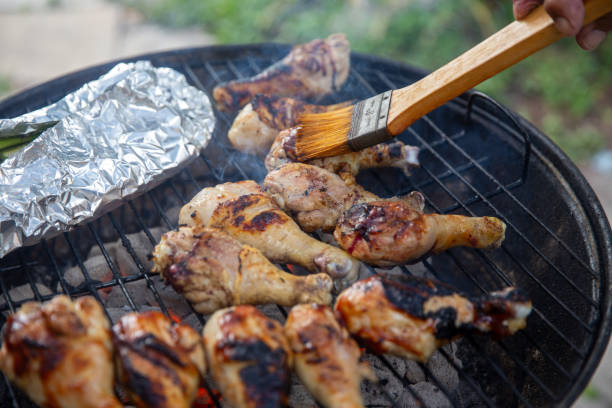
[IMAGE 3 DESCRIPTION]
Image Content: A professional infographic-style diagram. It shows a cross-section of a foil packet on a grill. Arrows illustrate the different types of heat transfer: red arrows for "Conduction" from the bottom, swirling blue arrows for "Convection" inside the packet, and orange waves for "Radiation" from the lid.
Caption: Mastering the thermal dynamics inside the packet is the key to consistent perfection.
ALT Text: A chart explaining the thermal dynamics and heat transfer within foil-wrapped grilling.
4. The Sensory Blueprint: From Assembly to Final Presentation
The strategic advantage of foil-packet grilling extends beyond the cooking process itself. It offers a unique, integrated workflow that culminates in a dramatic and engaging presentation, enhancing the entire dining experience.
The integrated workflow: from prep station to plate
Traditional Grilling Model: This involves a disparate and inefficient set of actions. Use one bowl for marinating the meat, a cutting board and knife for vegetables, a grill for cooking (requiring constant attention), and finally, a platter for serving. This creates multiple stages, significant cross-contamination risks, and a mountain of dishes to wash.
The Foil-Packet Integrated Model: This paradigm represents a streamlined, highly efficient workflow.
Assembly: The raw ingredients are assembled directly within their cooking and serving vessel—the foil. This is the single "mise en place" stage.
Storage: The assembled packets can be neatly stacked in the refrigerator, ready for cooking.
Cooking: The packets are placed on the grill, requiring minimal intervention.
Serving: The packets can be served directly to guests, who get the theatrical experience of opening their own meal, releasing a cloud of aromatic steam.
Cleanup: The primary cooking vessel is discarded.
This creates a seamless, low-stress process from start to finish.
The modular formula: engineering diverse culinary profiles
The foil packet is a blank canvas. By mastering the core technique, you can endlessly innovate using modular flavor profiles.
The "Mediterranean Voyage" Module:
Components: (1) Protein: Lamb loin or chicken breast + (2) Marinade: Olive oil, lemon juice, garlic, oregano + (3) Vegetables: Cherry tomatoes, Kalamata olives, red onion, zucchini + (4) Finisher: Crumbled feta cheese.
Application: Assemble and grill. The result is a packet that encapsulates the bright, savory flavors of the Greek isles.
The "Asian Fusion" Module:
Components: (1) Protein: Thinly sliced beef or firm tofu + (2) Marinade: Soy sauce, sesame oil, ginger, garlic, a touch of honey + (3) Vegetables: Broccoli florets, sliced mushrooms, snow peas + (4) Finisher: Toasted sesame seeds and chopped scallions.
Application: This module delivers a deep umami bomb with a perfect texture contrast between the tender beef and crisp-tender vegetables.
5. Advanced Techniques and Culinary Expansion
Once the foundational principles of foil-packet grilling are mastered, the home chef can begin to explore advanced applications that elevate the technique from a simple method to a truly gourmet platform.
The internal debate of a modern chef
Argument A: "The Purist's Grumble"
"This isn't real grilling. It's just steaming. You lose the char, the Maillard reaction, the smoky flavor from the open flame. It's a compromise."
Argument B (The Strategic View): "The Culinary Architect"
"You're mistaking a single tool for the entire toolbox. The foil packet is not a replacement for direct grilling; it's a complementary technique for achieving results direct grilling cannot. It provides perfect, gentle cooking and deep flavor infusion. The 'char' you seek can be strategically added. I can cook a piece of fish to a perfect, buttery 135°F inside the packet, then carefully open it and give it a 30-second sear on a scorching hot cast iron pan for a beautiful crust. It’s about using the right technique for the right outcome, not being dogmatic."
Onboarding advanced applications: the post-grill sear
Objective: To achieve the best of both worlds—the moist, flavor-infused interior from foil-packet cooking and the delicious, browned crust from a Maillard reaction.
Protocol:
Prepare & Grill: Assemble and grill your packet using the indirect heat method until the protein is just shy of its target internal temperature (e.g., 5-10°F below).
Pre-Heat Searing Surface: While the packet is grilling, pre-heat a cast-iron skillet or a dedicated sear zone on your grill to its maximum temperature.
Execute The Transfer: Carefully remove the packet from the grill. Using tongs, quickly and safely open it (beware of hot steam) and transfer the protein directly to the searing-hot surface. Leave the vegetables and juices in the foil.
The Sear: Sear the protein for no more than 30-45 seconds per side. You are not trying to cook it further, only to create a rapid, flavorful crust.
Re-plate & Serve: Place the beautifully seared protein back with its vegetables and juices from the foil packet for serving. You have now successfully integrated two cooking methods for a superior result.
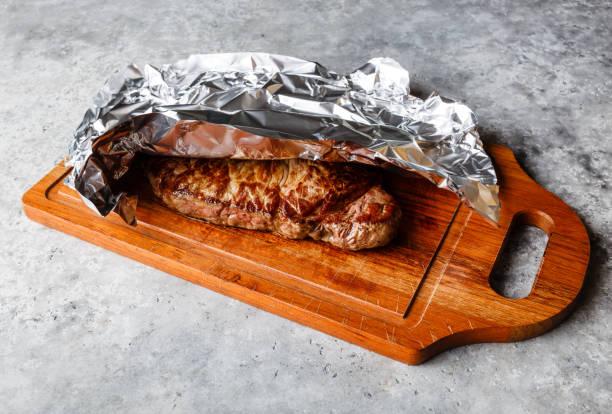
[IMAGE 5 DESCRIPTION]
Image Content: A dramatic, action shot. A chef's hands are using tongs to place a perfectly cooked salmon fillet, fresh out of its foil packet, onto a sizzling hot, slightly smoking cast-iron pan. The contrast between the pink, moist fish and the dark, hot pan is stark.
Caption: Elevating the craft by integrating techniques for the perfect finish.
ALT Text: A depiction of the advanced culinary technique of a post-grill sear after foil-packet cooking.
(Conclusion Title) Foil-Wrapped Grilling: A Deliberate Investment in Culinary Excellence
This deep analysis has systematically demonstrated that foil-packet grilling is far more than a simple cooking shortcut. It is a sophisticated, controllable, and versatile culinary system. The evidence is clear: when approached with technical understanding and strategic intent, it is a critical investment in final product quality, flavor intensity, consistency, and overall cooking efficiency.
The superiority of the foil packet in moisture retention, flavor infusion, and workflow integration provides a demonstrable return on the home chef’s investment of time and attention. By moving from a reactive, open-flame grilling tactic to a quality-focused, strategic cooking methodology, any culinary enthusiast can build a more resilient and rewarding cooking practice. Making the data-driven choice to master the thermal and chemical principles of this technique is a fundamental step toward achieving consistent culinary excellence. 🏆🔥
Loc Tu: Pioneering Excellence in Premium Aluminum Packaging Solutions
At the forefront of the food packaging industry, Loc Tu Manufacturing & Trading Co., Ltd. stands as a premier manufacturer and supplier of high-quality aluminum trays and foil rolls. We are dedicated to providing innovative, safe, and reliable packaging solutions tailored to the dynamic needs of the modern food landscape. Our foundation is b0uilt upon state-of-the-art manufacturing facilities, equipped with advanced production lines engineered for precision and efficiency. This technological edge allows Loc Tu to consistently deliver aluminum trays and foil rolls that not only meet but exceed rigorous international food safety standards.
Why You Must Choose Loc Tu?
✅ Assured Quality & Safety: Crafted from premium, food-grade aluminum, free from harmful impurities, meeting international safety benchmarks.
🔥 Optimal Thermal Properties: Ensures even cooking and excellent heat retention, preserving food temperature and taste effectively.
💪 Durable & Convenient Design: Engineered to resist leaks and dents, providing reliable performance for baking, storage, and transport.
🔄 Versatile Solutions: Our extensive range caters to various applications – from baking and steaming to storing fresh food and takeaway meals.
🌱 Eco-Conscious Packaging: Made from 100% recyclable aluminum, supporting sustainability and reducing plastic waste.
🎯 Brand Enhancement: Optional custom printing available to personalize products and boost your brand visibility.
🚚 Reliable Supply & Delivery: Capable of handling large orders with dependable, on-schedule nationwide shipping.
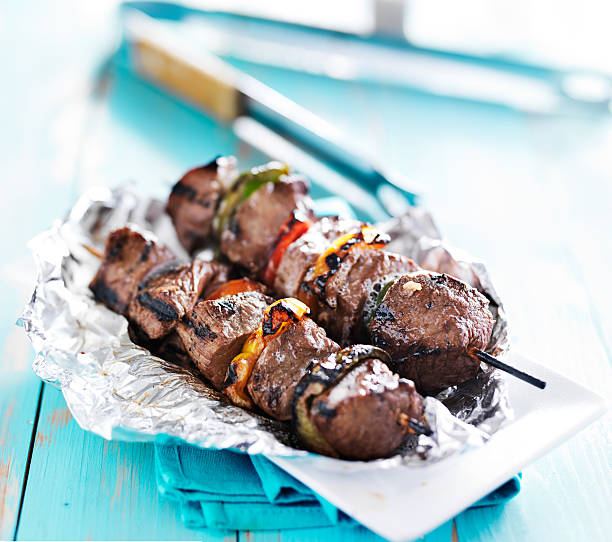
Loc Tu – Trusted Manufacturer of Durable Aluminum Foil Containers and High-Quality, Food-Safe Aluminum Foil Rolls for Your Kitchen
Your Trusted Partner in Food Packaging 📞
Loc Tu Manufacturing & Trading Co., Ltd. is more than just a supplier; we are your strategic partner in delivering high-caliber aluminum food packaging solutions. Specializing in a comprehensive range of aluminum trays, versatile foil rolls, and convenient disposable food containers.
We serve a diverse clientele – from individual households and local food vendors to large-scale restaurants, catering companies, and prestigious hotel chains. Our unwavering dedication to safety, sustainability, innovation, and customer satisfaction makes us the trusted choice for businesses and consumers seeking reliable, high-performance packaging.
📌 LOC TU MANUFACTURING & TRADING CO., LTD
📌 Our Vietnamese Website: Khaynhomthucpham.com
📌 HOTLINE/ZALO: 0969.787.309
📌 Facebook: Aluminum Foil Loc Tu
📌 Youtube: Aluminum Foil Loc Tu
📌 Tik Tok: Aluminum Foil Loc Tu
📌 Instagram: Aluminum Foil Loc Tu
📌 Shopee: Aluminum Foil Loc Tu
📌 Twitter/X: Aluminum Foil Loc Tu
📌 LinkedIn: Aluminum Foil Loc Tu
📌 Pinterest: Aluminum Foil Loc Tu
📌 Tumblr: Aluminum Foil Loc Tu
📌 Threads: Aluminum Foil Loc Tu
📌 Telegram: Aluminum Foil Loc Tu
📌 Whatsapp: 0969.787.309
📌 Branch 1 (Hanoi): No. 1 Pham Tu, Beasky Building, Dai Kim Ward, Hoang Mai District, Hanoi
📌 Branch 2 (Binh Duong): No. 68, DX 051 Street, Group 17, Quarter 4, Phu My Ward, Thu Dau Mot City, Binh Duong Province
📞 Contact us today for expert consultation and the best pricing on premium aluminum trays and foil packaging solutions! 🚀

