THE DEFINITIVE FRAMEWORK FOR ALUMINUM FOIL CONTAINER UTILIZATION
MAXIMIZING KITCHEN THROUGHPUT: THE DEFINITIVE FRAMEWORK FOR ALUMINUM FOIL CONTAINER UTILIZATION
(Introduction Title) Beyond Convenience: The Container as a Culinary Performance Tool
TABLE OF CONTENTS
Foundational Principles: Strategic Container Selection for Peak Performance Workflow Integration: Advanced Preparation & Efficiency Protocols Mastering Thermodynamics: Precision Cooking and Reheating The Final Mile: Optimizing for Presentation and Delivery Lifecycle Management: Critical Safety and Disposal Protocols
1. Foundational Principles: Strategic Container Selection for Peak Performance
Beyond the Basics: Matching Container Specifications to Culinary Application
The Safety Imperative: Deconstructing Food-Grade Standards
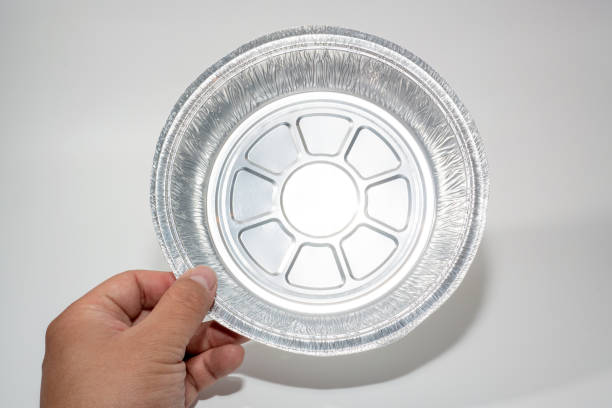
Material Composition Verification: A professional kitchen must demand a Certificate of Conformance (COC) from its supplier. This document verifies the aluminum alloy is 100% virgin, food-grade material, compliant with FDA (or equivalent local authority) regulations. It is non-negotiable.Chemical Migration Testing: Reputable containers undergo testing to ensure that under high heat, no harmful chemicals or elements migrate from the aluminum into the food. Inquire specifically about testing for BPA (in coatings) and heavy metals.Hygienic Production Environment: The manufacturing facility itself should adhere to GMP (Good Manufacturing Practices) or ISO 22000 standards for food safety management. This ensures the containers are produced and packed in a clean, contaminant-free environment before they even reach your kitchen. Assuming a container is clean is not a strategy; verifying its production hygiene is.
2. Workflow Integration: Advanced Preparation & Efficiency Protocols
The 'Mise en Place' Revolution: Batching and Assembly for Peak Throughput
Step 1: The Centralized Staging Area. Designate a specific bench for container-basedmise en place . Pre-stage stacks of the required aluminum containers (e.g., 50 units for the evening's lasagna special).Step 2: Direct-to-Container Assembly. Instead of building the dish in a large hotel pan and portioning it later, each portion is assembled directly into its final sales-unit aluminum container. This eliminates an entire stage of labor, portioning, and subsequent cleaning of the hotel pan.Step 3: Vertical Storage Integration. The filled, lidded containers are placed on sheet pan racks. This vertical storage system dramatically reduces the required countertop and refrigeration footprint compared to large, bulky pans.Step 4: The 'Ready-to-Fire' State. The rack of assembled containers represents a "ready-to-fire" inventory. When an order is received, a chef simply pulls one unit and places it directly into the oven. This de-skills the firing process and ensures perfect portion control and consistency with every single order.
The Science of Sealing: Locking in Flavor, Freshness, and Temperature
The Fold-Down Edge (Board Lids): This common method creates a physical barrier.Mechanism: A laminated paperboard lid is placed on the container, and the aluminum full-curl rim is carefully folded or crimped over the edge.Best For: Hot-holding for short periods, oven use (lids are often oven-safe to a specific temperature), and preventing physical contamination.Limitation: It is not a hermetic seal. It is water-resistant but not waterproof. Aggressive movement can cause leaks with liquid-heavy dishes.
The Snap-On Dome (Plastic Lids): This system creates a friction-based seal.Mechanism: A clear, raised plastic lid with a grooved edge "snaps" onto the container's rim.Best For: Cold applications, display cases (offers high visibility), and preventing spillage of semi-liquids during transport. Excellent for salads or desserts.Limitation: Most plastic lids are not oven-safe and can warp with excessive heat from the food. They offer a better seal than board lids but are still not 100% leak-proof if inverted.
3. Mastering Thermodynamics: Precision Cooking and Reheating
From Raw to Ready: Achieving Perfect Results in High-Temperature Ovens
☐ Calibrate for Convection: In a convection oven, the moving hot air heats the aluminum rapidly. Reduce the standard recipe temperature by ~15°C (25°F) to prevent the edges from burning before the center is cooked.☐ Mind the Base: A shiny aluminum base reflects radiant heat from the bottom element of a deck oven. For dishes requiring a crisp bottom crust (like a pie), place the container on a pre-heated dark steel tray or pizza stone to absorb and conduct heat more effectively.☐ Leverage the "Tent": For dishes with long cook times (e.g., a small roast or braise), a lid or a separate piece of aluminum foil tented over the top is not just for moisture. It acts as a radiation shield, slowing the browning of the surface while allowing the center to cook through via conduction and convection. Remove it for the final 15-20 minutes for browning.☐ The Double-Pan Buffer: For extremely delicate custards or cheesecakes, placing the aluminum container inside a larger, heavier pan (creating abain-marie or water bath) acts as a thermal buffer, using the water to ensure gentle, even heat transfer and prevent curdling.
The Regeneration Protocol: Preserving Integrity During Reheating
4. The Final Mile: Optimizing for Presentation and Delivery
The Unboxing Experience: Crafting Brand Perception from Container to Table
Module 1: The Branded Sleeve. Components: (1) The sealed aluminum container + (2) A professionally printed cardboard sleeve that slides over the container.Application: The sleeve provides a premium feel, carries your branding, logo, and messaging, and can include reheating instructions. It elevates the package from a generic takeout box to a thoughtfully presented meal.
Module 2: The Topping Kit. Components: (1) The primary dish in the aluminum container + (2) Small, separate portion cups for fresh herbs, crunchy toppings (like croutons or fried onions), or a finishing drizzle of oil/sauce.Application: By keeping these elements separate, you prevent them from becoming soggy during transit. It empowers the customer to finish the dish themselves, engaging them in the meal and guaranteeing the best possible texture and freshness. This communicates a commitment to quality that generic all-in-one packaging cannot.
Transit Integrity: A Systematic Approach to Preventing Failures
5. Lifecycle Management: Critical Safety and Disposal Protocols
The Kitchen Staff Briefing: A Non-Negotiable List of Do's and Don'ts
Thou Shalt Not place aluminum in a microwave oven. Ever. This can cause electrical arcing and is a significant fire hazard.Thou Shalt Not use the same container for storing highly acidic foods (e.g., lemon juice, vinegar) for multiple days, unless it has a protective coating.Thou Shalt inspect rims and corners for any sharp edges from the manufacturing process before use.Thou Shalt use two hands to support the bottom of large, heavy, and hot containers to prevent buckling.Thou Shalt Not allow aluminum to come into direct contact with an open flame or a hot electric stove element.Thou Shalt be mindful of steam when first removing a lid from a hot container.Thou Shalt Not reuse a disposable container for service to a new customer.Thou Shalt pre-heat containers for hot-holding applications to improve temperature stability.Thou Shalt Not score or cut heavily inside the container with a sharp metal knife, which can create aluminum slivers.Thou Shalt follow the proper cleaning and recycling protocol for all used containers.
Closing the Loop: The Protocol for Responsible Recycling
The Reality: Food contamination is the #1 enemy of aluminum recycling. A container caked in cheese and grease is often rejected by recycling facilities and sent to a landfill.The Operational Protocol: Designate a Rinsing Station: Set up a specific area, separate from the primary dishwashing station, for used aluminum containers.Scrape and Rinse: Kitchen staff (or a designated porter) must quickly scrape out all gross food solids into the compost or food waste bin.A Quick Rinse: A brief, low-pressure rinse with water is all that is needed to remove the remaining oils and residue. The container does not need to be "clean enough to eat from," just free of organic matter.Dry and Collect: The rinsed containers should be placed in a dedicated, clearly-labeled recycling bin. Informing your waste management provider that you have a "clean aluminum" stream may even lead to better service terms. This protocol transforms an environmental liability into a demonstrable commitment to sustainability.
(Conclusion Title) The Aluminum Container: From Commodity to Competitive Advantage
Loc Tu: Pioneering Excellence in Premium Aluminum Packaging Solutions
Why You Must Choose Loc Tu?
✅ Assured Quality & Safety: Crafted from premium, food-grade aluminum, free from harmful impurities, meeting international safety benchmarks.
🔥 Optimal Thermal Properties: Ensures even cooking and excellent heat retention, preserving food temperature and taste effectively.
💪 Durable & Convenient Design: Engineered to resist leaks and dents, providing reliable performance for baking, storage, and transport.
🔄 Versatile Solutions: Our extensive range caters to various applications – from baking and steaming to storing fresh food and takeaway meals.
🌱 Eco-Conscious Packaging: Made from 100% recyclable aluminum, supporting sustainability and reducing plastic waste.
🎯 Brand Enhancement: Optional custom printing available to personalize products and boost your brand visibility.
🚚 Reliable Supply & Delivery: Capable of handling large orders with dependable, on-schedule nationwide shipping.
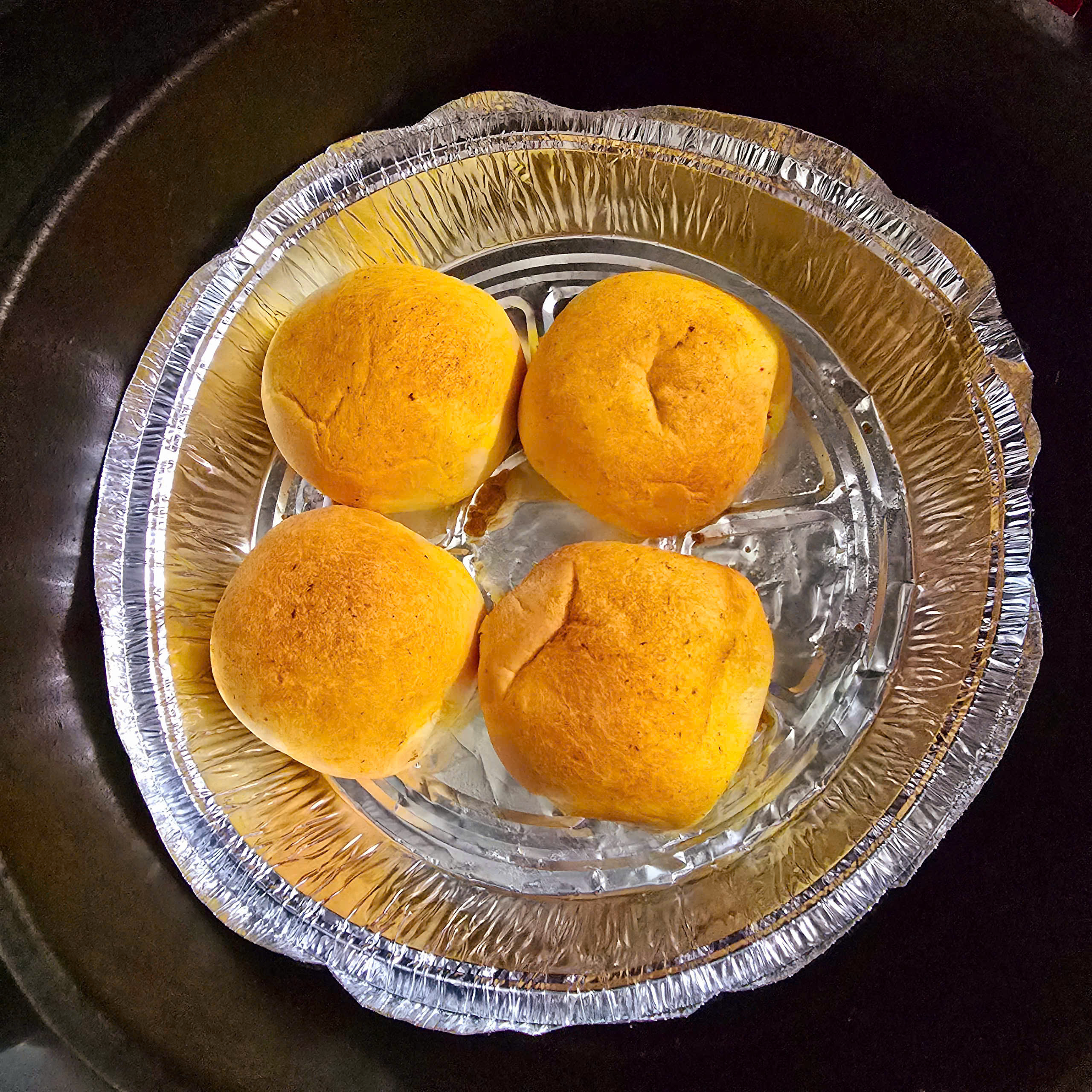
Loc Tu – Trusted Manufacturer of Durable Aluminum Foil Containers and High-Quality, Food-Safe Aluminum Foil Rolls for Your Kitchen
Your Trusted Partner in Food Packaging 📞
📌 LOC TU MANUFACTURING & TRADING CO., LTD
📌 Our Vietnamese Website: Khaynhomthucpham.com
📌 HOTLINE/ZALO: 0969.787.309
📌 Facebook: Aluminum Foil Loc Tu
📌 Youtube: Aluminum Foil Loc Tu
📌 Tik Tok: Aluminum Foil Loc Tu
📌 Instagram: Aluminum Foil Loc Tu
📌 Shopee: Aluminum Foil Loc Tu
📌 Twitter/X: Aluminum Foil Loc Tu
📌 LinkedIn: Aluminum Foil Loc Tu
📌 Pinterest: Aluminum Foil Loc Tu
📌 Tumblr: Aluminum Foil Loc Tu
📌 Threads: Aluminum Foil Loc Tu
📌 Telegram: Aluminum Foil Loc Tu
📌 Whatsapp: 0969.787.309
📌 Branch 1 (Hanoi): No. 1 Pham Tu, Beasky Building, Dai Kim Ward, Hoang Mai District, Hanoi
📌 Branch 2 (Binh Duong): No. 68, DX 051 Street, Group 17, Quarter 4, Phu My Ward, Thu Dau Mot City, Binh Duong Province
📞 Contact us today for expert consultation and the best pricing on premium aluminum trays and foil packaging solutions! 🚀
LOC TU PRODUCTION AND TRADING COMPANY LIMITED
Branch 1 (Binh Duong): No. 68, DX 051 Street, Group 17, Quarter 4, Phu My Ward, Thu Dau Mot City.
Branch 2 (Hanoi): No. 1 Pham Tu, Beasky Building, Dai Kim Ward, Hoang Mai District.
Hotline/Zalo: +84.969787309
Website: Khaynhomthucpham.com
Email: [email protected]

