[email protected]    |       Hotline: +84.969787309

THE ULTIMATE CULINARY GUIDE MASTERING KITCHEN'S MOST VERSATILE TOOL

THE ULTIMATE CULINARY GUIDE TO KITCHEN ALUMINUM FOIL: MASTERING THE KITCHEN'S MOST VERSATILE TOOL

(Introduction Title) Beyond a Simple Roll: Foil as a Culinary Multi-Tool

In every kitchen, nestled in a drawer or on a countertop, lies a humble roll of aluminum foil. Too often, it is relegated to simple tasks: covering leftovers or lining a baking sheet. But to view this gleaming sheet as a mere commodity is to overlook one of the most versatile and powerful tools in a modern cook's arsenal. The proper application of kitchen aluminum foil is a science and an art, capable of transforming cooking outcomes, streamlining processes, and solving problems you didn't even know you had.

This guide is not a list of simple tips. It is a strategic culinary document. ✍️ Authored from the perspective of a food scientist and culinary instructor, this deep dive will deconstruct the properties of aluminum foil and its profound impact on heat transfer. We will establish a framework for selecting the right type of foil for any task. We will perform a true analysis of its "culinary return on investment," measuring its value not in price per square foot, but in flavor preserved, time saved, and dishes perfected. This document is engineered for the home cook, the culinary enthusiast, and the professional chef who understands that mastering the fundamentals is the key to excellence.

TABLE OF CONTENTS

  1. Understanding the Fundamentals: Not All Kitchen Aluminum Foil Is Created Equal

  2. The Science of Heat Management: Mastering Foil for Perfect Cooking Results

  3. Maximizing Culinary ROI: Smart Foil Techniques for Enhanced Flavor and Efficiency

  4. Advanced Applications: Creative & Unconventional Uses Beyond the Kitchen

  5. Safety, Sustainability, and Best Practices: Responsible Aluminum Foil Usage

1. Understanding the Fundamentals: Not All Kitchen Aluminum Foil Is Created Equal

The first step toward mastery is understanding the tool itself. The aluminum foil available at a supermarket is not a one-size-fits-all product. Choosing the correct type and understanding its physical properties are foundational decisions that dictate the success of your culinary endeavor.

The Great Debate—Shiny Side vs. Dull Side: Separating Science from Myth

Name: Foil Surface Analysis (FSA-01)
Icon: 🔬
Content:

  1. The Manufacturing Process: Aluminum foil is created by passing a large slab of aluminum through pairs of heavy rollers, which press it thinner and thinner. For the final pass, two sheets are often rolled at the same time. The side that comes in contact with the highly polished steel rollers becomes shiny. The side that faces the other sheet of foil becomes dull.

  2. Heat Reflectivity: Technically, the shiny side is about 88% reflective, while the dull side is about 80% reflective. For radiant heat (like from a broiler or an open flame), this means the shiny side will reflect slightly more heat.

  3. The Verdict for Cooking: In 99% of kitchen applications, this minute difference in reflectivity is completely negligible. Heat transfer in an oven is dominated by convection (hot air circulating) and conduction (direct contact), where the surface finish makes no practical difference. Food wrapped in foil will cook identically regardless of which side is facing in or out.

  4. The Exception: The only time this matters is with non-stick aluminum foil, which has a special food-safe coating on one side (always the dull side) to prevent food from sticking. In this case, the dull side must be placed in contact with the food.

Decoding the Labels: Standard, Heavy-Duty, and Non-Stick Foil

A comparative analysis reveals distinct applications and advantages for each primary type of kitchen foil.

Scenario A - Standard-Duty Foil:

  • Characteristics: Thinner, more flexible, and less expensive. Typically around 0.6 mils (16 micrometers) thick.

  • Strengths: Excellent for covering dishes, wrapping sandwiches, and lining pans for light-duty baking (e.g., cookies).

  • Weaknesses: Prone to tearing when used for heavy foods, high-heat grilling, or creating sturdy cooking packets. Not ideal for tasks requiring structural integrity.

  • Best Use Case: Covering a casserole dish for baking to prevent over-browning.

Scenario B - Heavy-Duty Foil:

  • Characteristics: Significantly thicker, more rigid, and puncture-resistant. Typically around 0.9 to 1.0 mils (23-25 micrometers) thick.

  • Strengths: The workhorse for serious cooking. Ideal for creating durable foil packets for the grill, lining grill grates, tenting large roasts, and handling heavy or acidic foods without risk of tearing.

  • Weaknesses: Higher cost per roll. Can be overkill for simple covering tasks.

  • Best Use Case: Crafting a robust packet of vegetables and fish for the barbecue, ensuring no juices leak.
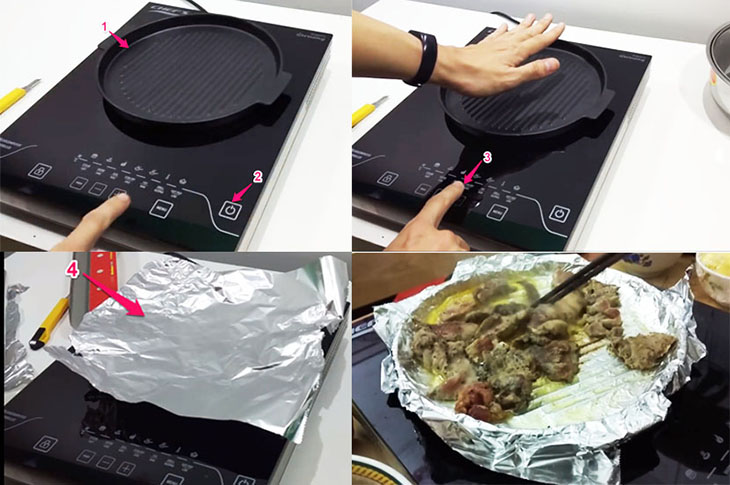
Sử Dụng Giấy Bạc Nhà Bếp

[IMAGE 1 DESCRIPTION]
Image Content: A professionally shot image showing three rolls of aluminum foil side-by-side: "Standard," "Heavy-Duty," and "Non-Stick." A single sheet is pulled from each to clearly demonstrate the difference in texture and perceived thickness.
Caption: Choosing the right tool for the job: The distinct properties of standard, heavy-duty, and non-stick foil.
ALT Text: A comparison of different types of kitchen aluminum foil for various cooking uses.

2. The Science of Heat Management: Mastering Foil for Perfect Cooking Results

Aluminum is a superb conductor of heat. However, its true power in the kitchen comes from its ability to be manipulated—to wrap, tent, and shield. This allows a cook to precisely control how heat interacts with their food, leading to superior texture and flavor.

The Convection Controller: How Foil Creates a Micro-Oven

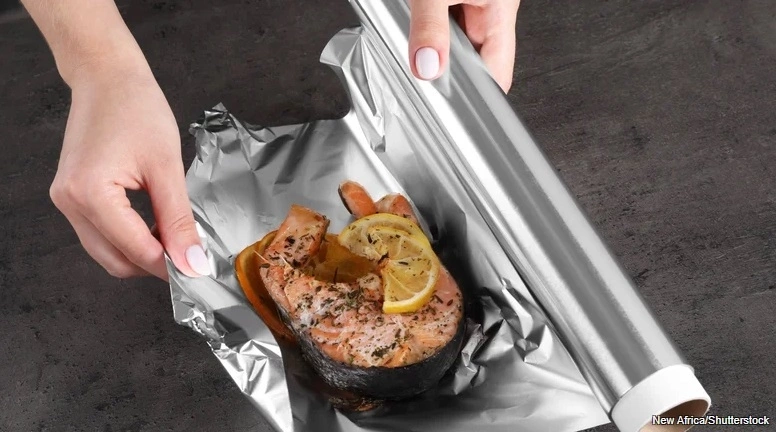
The classic French technique of cooking en papillote (in parchment) is perfectly replicated and enhanced using aluminum foil. Here’s the process and the science behind it:

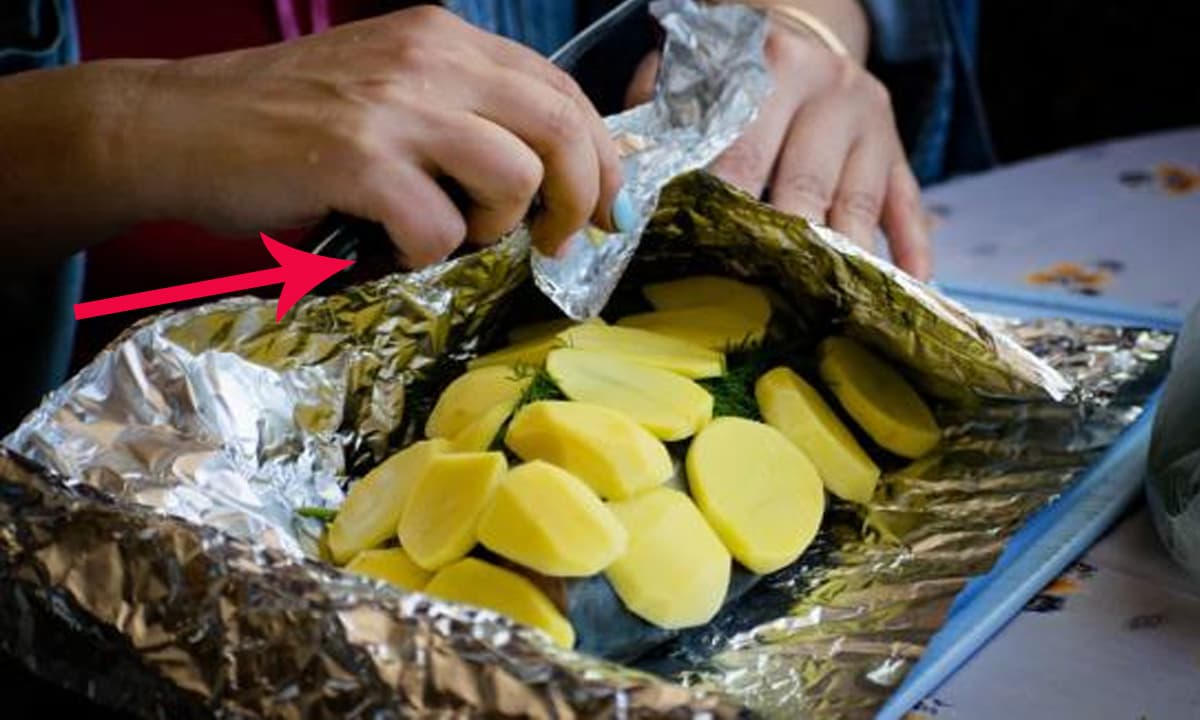
  1. Assembly: Place delicate food, like fish fillets and julienned vegetables, on a sheet of heavy-duty foil. Add aromatics, herbs, and a splash of liquid (wine, broth, lemon juice).

  2. Sealing: Bring the edges of the foil together and crimp tightly to create an airtight seal. This packet is now a self-contained cooking vessel—a micro-oven.

  3. Cooking: As the packet heats up in the oven or on the grill, the liquid inside turns to steam. Because the steam is trapped, it raises the pressure and temperature inside the packet.

  4. The Science: The food is not just baking; it is steaming in its own flavorful liquid. This is an incredibly gentle and efficient form of convection cooking that keeps the food exceptionally moist and infused with the aromas sealed inside the packet. This method prevents delicate proteins like fish from drying out.

The Radiant Heat Shield: The Key to Perfect Roasting and Browning

Traditional Model: Roasting a large bird like a turkey often presented a dilemma. By the time the thick thighs were cooked through, the more delicate breast meat was often dry, and the skin was at risk of burning. The only solution was constant, labor-intensive basting.
Integrated Foil Model: Modern culinary technique integrates foil as a precision tool to solve this problem.

  1. Initial Roasting: The bird is roasted uncovered for the initial phase, allowing the skin to begin browning and crisping.

  2. Shielding Application: Once the skin (especially on the breast) has reached the perfect golden-brown color, a "tent" of aluminum foil is loosely placed over the top.

  3. The Science: The foil tent does not trap steam, so the environment remains dry for roasting. However, it acts as a radiant heat shield. It reflects the direct, intense heat from the oven's heating element, preventing the skin from burning. This allows the internal parts of the bird to continue cooking gently until they reach the perfect temperature. This technique ensures a perfectly browned, crispy skin and juicy, tender meat—without constant basting.

3. Maximizing Culinary ROI: Smart Foil Techniques for Enhanced Flavor and Efficiency

The "Return on Investment" (ROI) of a kitchen tool is measured in flavor, saved time, and reduced effort. From this perspective, aluminum foil is one of the highest-performing assets in the kitchen, directly contributing to better food and a cleaner workspace.

The Flavor Lock Principle: Sealing in Juices, Aromas, and Marinades

Central Theme: The Flavor Lock Principle

  • Branch 1: Moisture Retention

    • Sub-point: Wrapping meats (like ribs or brisket) after an initial smoking/searing phase (the "Texas Crutch" method).

    • Sub-point: Traps evaporating juices, forcing them back into the meat, resulting in unparalleled tenderness and a moist final product.

  • Branch 2: Aroma Infusion

    • Sub-point: Sealing aromatics (garlic, herbs, citrus) inside a foil packet with vegetables or protein.

    • Sub-point: As they heat, volatile aromatic compounds are released and have nowhere to go, deeply infusing the food.

  • Branch 3: Marinade Efficacy

    • Sub-point: Covering marinating dishes tightly with foil.

    • Sub-point: Prevents the surface from drying out and minimizes the evaporation of volatile marinade components (like alcohol or vinegar), ensuring a deeper flavor penetration.

The Efficiency Equation: How Foil Saves Time on Preparation and Cleanup

The Case: "The Weeknight Roast Dinner."
The Problem (The "Before"): A delicious roast chicken and vegetables dinner is a family favorite, but the cleanup is a nightmare. The roasting pan is caked with burnt-on sugars and rendered fat, requiring intense scrubbing and soaking. The prep area is messy from the seasoned chicken.
The Solution (The "After"): Foil is strategically integrated into the workflow.

  1. Prep: A sheet of foil is placed on the countertop before seasoning the chicken. After seasoning, the foil is simply bundled up and discarded, leaving a clean surface.

  2. Cooking: The roasting pan is completely lined with a sheet of heavy-duty foil before the vegetables and chicken are added.

  3. Cleanup: After dinner, once the pan has cooled, the foil is lifted out, containing all the grease and burnt bits. The pan beneath is virtually clean and may only need a quick rinse.
    The Result: The total active cleanup time is reduced from 15 minutes of hard scrubbing to less than 2 minutes. This dramatic increase in efficiency makes a complex meal more accessible for a busy weeknight, demonstrating a massive return on the simple investment in a sheet of foil.
Sử Dụng Giấy Bạc Nhà Bếp

[IMAGE 3 DESCRIPTION]
Image Content: A dramatic before-and-after split-screen image. The "Before" side shows a roasting pan with heavily baked-on, dark residue. The "After" side shows the same type of pan, with a person's hands easily lifting out a used sheet of foil to reveal a perfectly clean pan underneath.
Caption: The ultimate cleanup hack: A Total Cost of Effort analysis reveals the true value of lining your pans.
ALT Text: A visual comparison showing how using aluminum foil for cooking saves cleanup time.

4. Advanced Applications: Creative & Unconventional Uses for Kitchen Foil

The utility of aluminum foil extends far beyond its primary role in cooking. Its unique physical properties—malleable yet strong, conductive, and abrasive—make it an ingenious problem-solver for a wide range of household tasks.

From Scrubber to Funnel: The Improvised Utility Toolkit

By re-imagining its form, foil can be assembled into various "utility modules."

  • The "Abrasive Scrubber" Module:

    • Components: (1) A used (but clean) sheet of aluminum foil.

    • Application: Crumple the foil into a tight ball. Use this ball to scrub stubborn, baked-on food from glass baking dishes or cast-iron pans. The abrasive-yet-soft nature of aluminum cleans effectively without the harshness of steel wool. Do not use on non-stick surfaces.

  • The "Custom Funnel" Module:

    • Components: (1) A square of heavy-duty aluminum foil.

    • Application: Form the foil into a cone shape. This instantly creates a disposable, custom-sized funnel, perfect for transferring liquids like oil or spices into a bottle with a narrow opening. No cleanup required.

  • The "Produce Saver" Module:

    • Components: (1) A head of celery or broccoli + (2) A sheet of aluminum foil.

    • Application: Wrap celery or broccoli tightly in foil before placing it in the refrigerator's crisper drawer. The foil prevents moisture loss and ethylene gas from escaping, keeping the produce crisp and fresh for weeks longer than storing it in a plastic bag.

The Household Pro—Sharpening Scissors and Polishing Silver

Argument A: "These kitchen scissors are so dull they just chew through parchment paper. I guess I need to buy a new pair."
Argument B (The Foil Solution): "But wait. Before spending money, what if I could sharpen them in 10 seconds? Take a sheet of foil, fold it into several layers to create thickness, and then simply cut through the foil 7-10 times. The friction of the aluminum against the steel blades will hone and sharpen the edges enough for general kitchen use. It's a quick fix that saves a trip to the store."

This same principle of gentle abrasion applies to silverware. Tarnished silver can be polished by lining a bowl with foil (shiny side up), adding hot water and a few tablespoons of baking soda, and soaking the silverware for 10-15 minutes. An electrochemical reaction occurs where the tarnish (silver sulfide) is transferred to the aluminum foil, leaving the silver bright and clean.

5. Safety, Sustainability, and Best Practices: Responsible Aluminum Foil Usage

While an invaluable tool, it's essential to use aluminum foil with an awareness of food safety guidelines and its environmental impact. A responsible cook is both effective and informed.

Debunking Health Myths: An Evidence-Based Look at Foil Safety

Myth: "Using aluminum foil in cooking is dangerous and causes diseases like Alzheimer's."
Fact (The Scientific Consensus): This is a pervasive myth that has been thoroughly debunked by major health organizations, including the Alzheimer's Association and the World Health Organization. Aluminum is the most abundant metal in the Earth's crust and is naturally present in our air, water, and many foods. The amount of aluminum that may leach into food from foil is minuscule and well below the tolerable weekly intake established by health authorities. Our bodies are very effective at processing and excreting the small amounts we consume.
Important Caveat: Leaching is slightly increased with highly acidic or salty foods (e.g., tomato sauce, lemon juice, brines) during prolonged, high-heat cooking. While still considered safe, for these specific applications, it is a best practice to either use a layer of parchment paper between the foil and the food or to use a non-reactive vessel like glass or stainless steel for long simmers.

The Environmental Footprint: The Lifecycle of Use, Reuse, and Recycling

Aluminum is an infinitely recyclable material, and recycling it uses only 5% of the energy needed to produce new aluminum from ore. This makes responsible disposal critical.

  1. Use & Evaluate: Use the foil for its intended purpose. After use, assess its condition.

  2. Clean & Reuse: If the foil is only lightly soiled (e.g., from covering a bowl or baking dry goods), it can be wiped clean and reused. A sheet used to tent a roast can be folded and stored for the next one.

  3. Prepare for Recycling: If the foil is heavily soiled with grease or food, it cannot be recycled. However, if it can be reasonably cleaned by rinsing or wiping, it should be.

  4. Collect & Recycle: Collect clean, used foil and crumple it into a ball. Most recycling programs require the ball to be at least 2 inches in diameter to be properly sorted by their machinery. Add it to your household recycling bin according to your local guidelines.
Sử Dụng Giấy Bạc Nhà Bếp

[IMAGE 5 DESCRIPTION]
Image Content: A bright, hopeful image. A hand is dropping a clean, fist-sized ball of crumpled aluminum foil into a blue recycling bin filled with other recyclables. The focus is on the foil ball.
Caption: Closing the loop: Aluminum is infinitely recyclable, making responsible disposal a key part of sustainable cooking.
ALT Text: A person recycling a ball of clean kitchen aluminum foil to promote sustainability.

(Conclusion Title) From a Simple Roll to Culinary Excellence: Your Strategic Kitchen Ally

This comprehensive analysis has demonstrated that kitchen aluminum foil is far more than a simple convenience. It is a strategic tool that, when understood and properly utilized, provides an undeniable return on investment in the form of superior flavor, enhanced texture, greater efficiency, and creative problem-solving.
By moving from haphazard use to a deliberate, science-informed approach, any cook can unlock new levels of precision and control. From managing heat with scientific accuracy to implementing ingenious household hacks, mastering aluminum foil is a fundamental step toward achieving true culinary and domestic excellence. Embrace its versatility, respect its properties, and make it a conscious partner in your kitchen's success. 🏆📈

Loc Tu: Pioneering Excellence in Premium Aluminum Packaging Solutions

At the forefront of the food packaging industry, Loc Tu Manufacturing & Trading Co., Ltd. stands as a premier manufacturer and supplier of high-quality aluminum trays and foil rolls. We are dedicated to providing innovative, safe, and reliable packaging solutions tailored to the dynamic needs of the modern food landscape. Our foundation is b0uilt upon state-of-the-art manufacturing facilities, equipped with advanced production lines engineered for precision and efficiency. This technological edge allows Loc Tu to consistently deliver aluminum trays and foil rolls that not only meet but exceed rigorous international food safety standards.

Why You Must Choose Loc Tu?

Assured Quality & Safety: Crafted from premium, food-grade aluminum, free from harmful impurities, meeting international safety benchmarks.

🔥 Optimal Thermal Properties: Ensures even cooking and excellent heat retention, preserving food temperature and taste effectively.

💪 Durable & Convenient Design: Engineered to resist leaks and dents, providing reliable performance for baking, storage, and transport.

🔄 Versatile Solutions: Our extensive range caters to various applications – from baking and steaming to storing fresh food and takeaway meals.

🌱 Eco-Conscious Packaging: Made from 100% recyclable aluminum, supporting sustainability and reducing plastic waste.

🎯 Brand Enhancement: Optional custom printing available to personalize products and boost your brand visibility.

🚚 Reliable Supply & Delivery: Capable of handling large orders with dependable, on-schedule nationwide shipping.
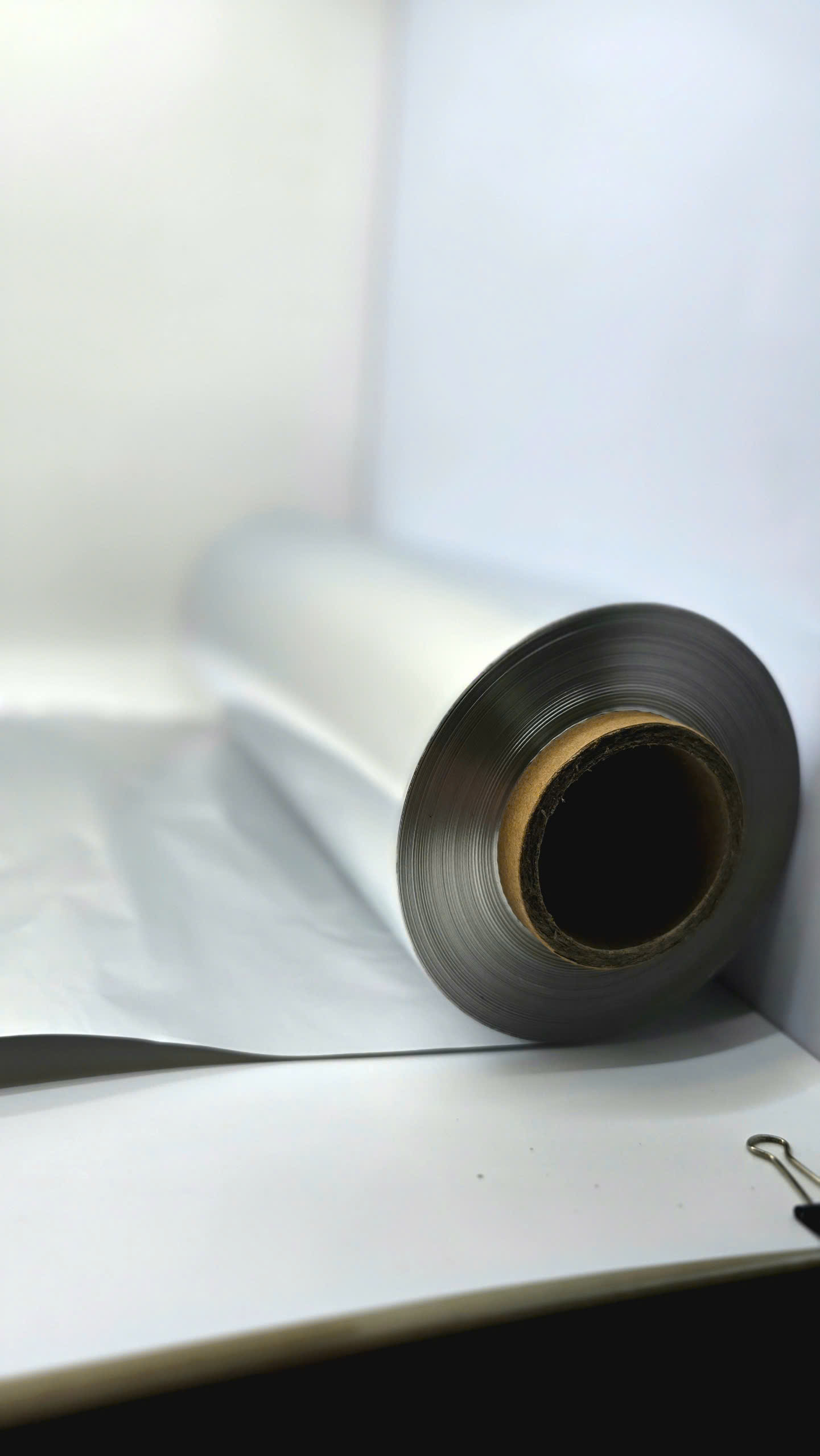
FTC– Địa chỉ hàng đầu cho Khay nhôm, Giấy bạc chất lượng cao

Loc Tu – Trusted Manufacturer of Durable Aluminum Foil Containers and High-Quality, Food-Safe Aluminum Foil Rolls for Your Kitchen

Your Trusted Partner in Food Packaging 📞

Loc Tu Manufacturing & Trading Co., Ltd. is more than just a supplier; we are your strategic partner in delivering high-caliber aluminum food packaging solutions. Specializing in a comprehensive range of aluminum trays, versatile foil rolls, and convenient disposable food containers.

We serve a diverse clientele – from individual households and local food vendors to large-scale restaurants, catering companies, and prestigious hotel chains. Our unwavering dedication to safety, sustainability, innovation, and customer satisfaction makes us the trusted choice for businesses and consumers seeking reliable, high-performance packaging.

📌 LOC TU MANUFACTURING & TRADING CO., LTD

📌 Our Vietnamese Website: Khaynhomthucpham.com
📌 HOTLINE/ZALO: 0969.787.309

📌 Facebook: Aluminum Foil Loc Tu
📌 Youtube: Aluminum Foil Loc Tu
📌 Tik Tok: Aluminum Foil Loc Tu
📌 Instagram: Aluminum Foil Loc Tu
📌 Shopee: Aluminum Foil Loc Tu
📌 Twitter/X: Aluminum Foil Loc Tu

📌 LinkedIn: Aluminum Foil Loc Tu
📌 Pinterest: Aluminum Foil Loc Tu
📌 Tumblr: Aluminum Foil Loc Tu

📌 Threads: Aluminum Foil Loc Tu
📌 Telegram: Aluminum Foil Loc Tu
📌 Whatsapp: 0969.787.309


📌 Branch 1 (Hanoi): No. 1 Pham Tu, Beasky Building, Dai Kim Ward, Hoang Mai District, Hanoi
📌 Branch 2 (Binh Duong): No. 68, DX 051 Street, Group 17, Quarter 4, Phu My Ward, Thu Dau Mot City, Binh Duong Province

📞 Contact us today for expert consultation and the best pricing on premium aluminum trays and foil packaging solutions! 🚀

In bài viết
CONTACT US

LOC TU PRODUCTION AND TRADING COMPANY LIMITED

Branch 1 (Binh Duong): No. 68, DX 051 Street, Group 17, Quarter 4, Phu My Ward, Thu Dau Mot City.
Branch 2 (Hanoi): No. 1 Pham Tu, Beasky Building, Dai Kim Ward, Hoang Mai District.

Hotline/Zalo: +84.969787309

Website: Khaynhomthucpham.com
Email: [email protected]

Online: 87
Day: 2968
Week: 20580
Visitors: 108988
1
Bạn cần hỗ trợ?