WHOLESALE ALUMINUM FOIL CONTAINERS: PROCUREMENT FOR THE FOODSERVICE
WHOLESALE ALUMINUM FOIL CONTAINERS: A STRATEGIC PROCUREMENT PROTOCOL FOR THE FOODSERVICE INDUSTRY
(Introduction) Beyond a Commodity: Packaging as a Performance Asset
TABLE OF CONTENTS
The Strategic Value Proposition of Bulk Sourcing Defining the Operational Role of Wholesale Aluminum Foil Containers Analytical Advantages: Efficiency, Cost, and Consistency
Technical Vetting and Material Standards Mandatory Material Specifications for Wholesale Orders Stress-Testing Protocol for Supplier Evaluation
Financial Analysis: Beyond the Unit Price Deconstructing the Total Cost of Ownership (TCO) The Financial ROI of Premium Wholesale Aluminum Foil Containers
Operational Integration and Application Synergy Streamlining Workflow from Preparation to Service Enhancing Menu Capabilities via Specialized Commercial Aluminum Pans
Strategic Supplier Partnership and Sourcing Evaluation Criteria for High-Volume Food Container Suppliers The Loc Tu Collaborative Procurement Model
1. The Strategic Value Proposition of Bulk Sourcing
Defining the Operational Role of Wholesale Aluminum Foil Containers
The Subject: "Metro Culinary Group," a scaling network of central kitchens and catering units.The Friction Point ("Before"): The group relied on ad-hoc purchasing from multiple local wholesalers and cash-and-carry outlets. This decentralized approach resulted inaluminum food containers wholesale batches with fluctuating thicknesses (gauges), varying rim styles, and unpredictable pricing spikes during holidays. This inconsistency disrupted kitchen workflows and affected portion control.The Strategic Intervention ("After"): The procurement director consolidated the volume and established a direct contract forwholesale aluminum foil containers . They mandated specific technical dimensions and locked in volume-based tiers.The Outcome: The group achieved absolute product standardization across all units. The standardized containers allowed for the automation of sealing machines, reducing labor costs by 15%. This case illustrates that bulk sourcing is not merely about price; it is about establishing the operational stability required for scale.
Analytical Advantages: Efficiency, Cost, and Consistency
Strength - Economic Economies of Scale: The most immediate impact is the reduction of Unit Economics.Bulk aluminum foil containers procured directly typically offer a 20-30% cost reduction compared to retail channels, directly fortifying the Gross Profit Margin per serving.Strength - Supply Chain Resilience: A direct relationship with a manufacturer minimizes the volatility of the spot market. It ensures a buffer stock fordisposable food packaging wholesale , insulating the business from regional shortages.Opportunity - Brand Homogeneity: Sourcing from a single, verified line ensures that the container serving a customer in Location A is identical to the one in Location B. This reinforces brand professionalism and perceived value.Opportunity - Customization Potential: Wholesale channels unlock access tocommercial aluminum pans with specialized depths, compartment configurations, or embossed branding, which are unavailable in standard retail inventory.
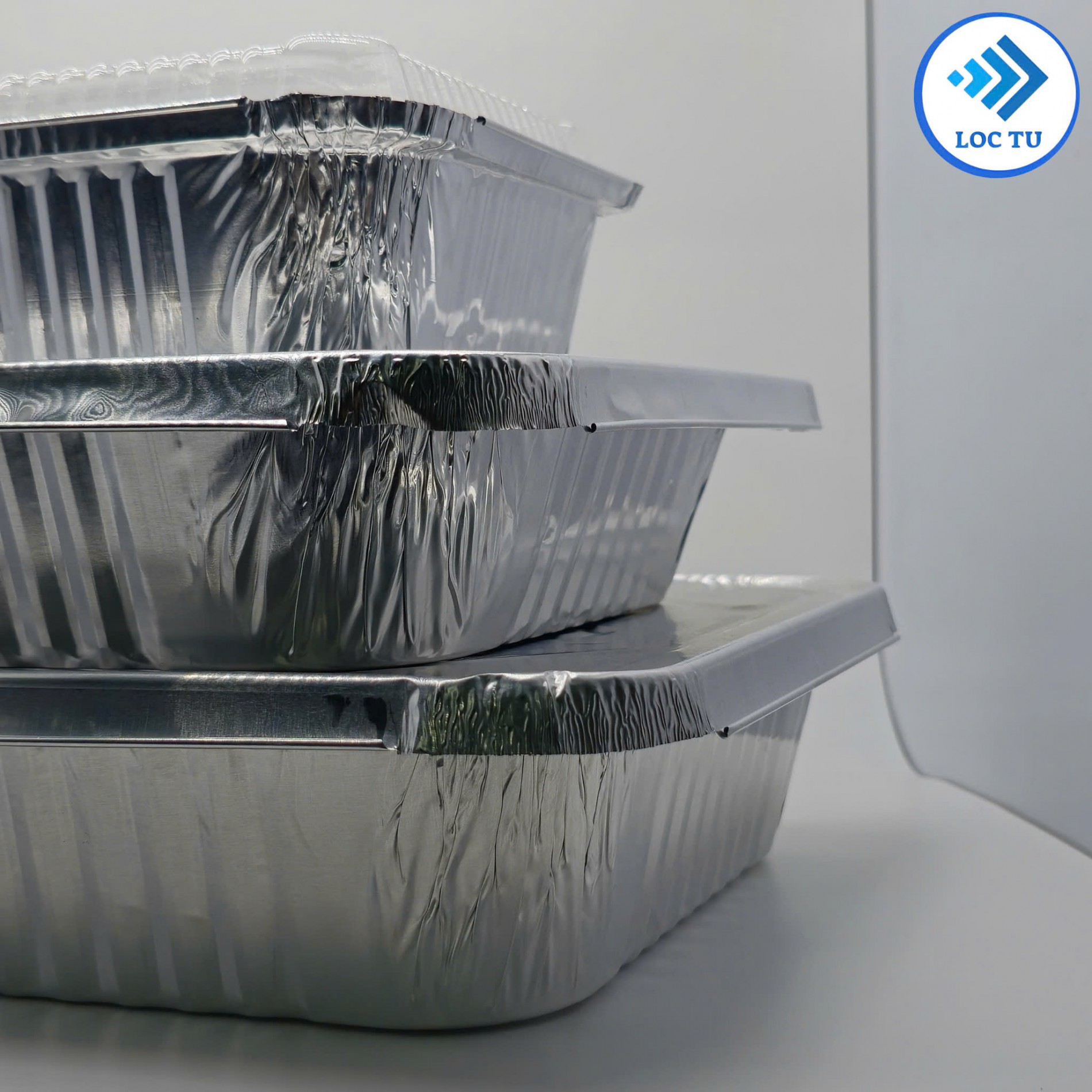
Image Content: A sophisticated infographic utilizing a split-screen design. The left side (red tones) shows a "Fragmented Sourcing" web with tangled lines connecting a restaurant to various supermarkets. The right side (blue/green tones) shows a "Strategic Direct Sourcing" linear model with a thick, streamlined arrow connecting a factory to the restaurant chain, labeled "Efficiency & Control."Caption: Moving from fragmented purchasing to a centralized procurement protocol optimizes control and costs.Alt Text: Diagram comparing retail purchasing versus sourcing wholesale aluminum foil containers for business efficiency.
2. Technical Vetting and Material Standards
Mandatory Material Specifications for Wholesale Orders
Title: Procurement Specification Sheet (Standard PSS-ALU)Icon: 📋Core Metrics: Alloy Certification & Food Safety: The supplier must furnish a current Certificate of Analysis (COA). This document validates that the aluminum alloy is 100% Food Grade, strictly compliant with FDA/ISO standards, and certified free of heavy metal contaminants (Lead, Cadmium).Micron Gauge (Thickness): Vague terms like "sturdy" are unacceptable. Contracts must specify thickness in microns (µm). For commercial application, "Heavy Duty" status generally requires ≥16 µm to ensure heat retention and load-bearing capacity without buckling.Structural Engineering: Specifications must require a "Full Curl" rim design. This architectural detail is essential for rim rigidity, safe handling (preventing cuts), and compatibility with automated lidding machinery.
Stress-Testing Protocol for Supplier Evaluation
Thermal Shock Test: Fill thecommercial aluminum pan with boiling water and hold for 30 minutes. The container must maintain structural rigidity and exhibit zero leakage at the corners (a common failure point in inferior manufacturing).Lid Security Assessment: Engage the lid (paperboard or foil). Invert the container at a 45-degree angle. The rim clinch must hold the weight of the contents without popping open.High-Heat Exposure: Subject the sample to a commercial oven environment (220°C / 425°F) for 45 minutes. Any sign of discoloration, odor release, or warping indicates an impure alloy or improper lubricant residue, resulting in immediate disqualification.
3. Financial Analysis: Beyond the Unit Price
Deconstructing the Total Cost of Ownership (TCO)
Central Node: The True Cost of Packaging Branch A: Direct Procurement Costs Negotiated Bulk Rate per Unit Logistics & Warehousing Fees Tariffs (if importing)
Branch B: The Hidden Cost of Quality Failure (Risk Premiums) Product Loss: Value of food discarded due to container collapse or leaks.Labor Drain: Staff hours wasted double-bagging weak containers or cleaning transport spills.CX Friction: Cost of refunds, comped meals, and help-desk hours dedicated to resolving "messy delivery" complaints.Reputation Tax: The difficult-to-quantify but tangible revenue loss from 1-star reviews citing poor packaging.
The Financial ROI of Premium Wholesale Aluminum Foil Containers
Scenario A ( The "Low-Bid" Illusion): A purchasing manager saves $0.005 per unit by choosing a generic, thin-gauge option. Result: A 3% failure rate during delivery.Financial Impact: The cost of refunding just one $20 meal negates the "savings" on 4,000 containers. The net result is a financial loss.
Scenario B (The Strategic Quality Investment): The business invests in premium cost-effective food packaging with reinforced structure from a reputable supplier.Result: Near-zero failure rate, enhanced heat retention (better food quality upon arrival).Financial Impact: Higher customer retention rates and zero refunds attributed to packaging. The ROI is realized through operational stability and customer lifetime value (LTV).
Image Content: A business-style bar chart titled "Packaging Total Cost of Ownership." Two bars are shown. The "Cheap Generic" bar has a short blue base (price) but a tall red stack (Hidden Costs/Waste). The "Premium Wholesale" bar has a slightly higher blue base but almost no red stack, showing it is cheaper overall.Caption: The Total Cost of Ownership analysis reveals that higher quality often yields lower overall operational costs.Alt Text: Chart illustrating the ROI and TCO of high-quality wholesale aluminum foil containers versus cheap alternatives.
4. Operational Integration and Application Synergy
Streamlining Workflow from Preparation to Service
The Disconnected Legacy Model: Historically, kitchens utilized separate inventory for each stage: stainless bowls for prep/marinade, steel pans for cooking, and paper/plastic for packing. This created three transfer points (labor) and three wash cycles (water/chemical/labor utility).The Integrated "One-Pan" Efficiency: Sourcingcommercial aluminum pans allows for a linear workflow.Prep: Raw proteins are portioned and seasoned directly in the foil container.Storage: Containers are lidded and stacked in walk-ins.Cooking: The same unit enters the oven or steamer.Distribution: The hot unit is lidded and dispatched.
Synergy: This reduces cross-contamination risks and eliminates significant dishwashing labor, optimizing the prime cost.
Enhancing Menu Capabilities via Specialized Commercial Aluminum Pans
The "Take-and-Bake" Module: Configuration: Aluminum food containers wholesale filled with unbaked lasagnas, pies, or casseroles.Strategy: Selling "Home Meal Replacements" (HMR). Customers bake fresh at home. Aluminum is theonly material that facilitates this transition from freezer to home oven seamlessly.
The "Premium Grill" Module: Configuration: Heavy-duty foil trays with pre-marinated skewers or seafood.Strategy: Marketing ready-to-grill kits for barbecue seasons, leveraging the container's thermal conductivity.
5. Strategic Supplier Partnership and Sourcing
Evaluation Criteria for High-Volume Food Container Suppliers
The Skeptic's View: "I see a lower price on this general marketplace aggregator. Why should we contract with a specialized firm?"The Strategist's Rebuttal: "A general aggregator dropships commodities. Do they offer traceability? If a shipment is crushed in transit, do they have a 24-hour resolution protocol? A specializedfood container supplier invests in inventory consistency and compliance documentation. We are not paying just for aluminum; we are paying forSupply Chain Certainty . In the event of a port strike or material shortage, a dedicated partner prioritizes our contract. A marketplace algorithm does not."
The Loc Tu Collaborative Procurement Model
Needs Analysis: We do not simply send a catalog. We audit your menu to recommend the exact gauge and depth required—eliminating over-spending on unnecessary weight or under-specifying for heavy dishes.Sample Validation: We deploy extensive sampling kits for your internal stress testing.Transparency Protocol: Loc Tu provides full access to compliance certifications and manufacturing data.Logistics Planning: We structure tiered wholesale pricing and delivery schedules that align with your storage capacity, ensuring you are never overstocked or stocked out.Lifecycle Support: As your menu evolves, we introduce new innovative shapes and sizes to keep your presentation fresh.
Image Content: A professional meeting setting. A Loc Tu representative (business casual, holding a tablet showing a catalog) is shaking hands with a restaurant owner. On the table between them are samples of high-quality aluminum containers. The lighting is warm and professional.Caption: A strategic partnership extends beyond the transaction, focusing on long-term growth and reliability.Alt Text: Establishing a strategic partnership for sourcing wholesale aluminum foil containers with Loc Tu.
(Conclusion) Wholesale Aluminum Foil Containers: A Strategic Investment in Operational Excellence
Loc Tu: Pioneering Excellence in Premium Aluminum Packaging Solutions
Why You Must Choose Loc Tu?
✅ Assured Quality & Safety: Crafted from premium, food-grade aluminum, free from harmful impurities, meeting international safety benchmarks.
🔥 Optimal Thermal Properties: Ensures even cooking and excellent heat retention, preserving food temperature and taste effectively.
💪 Durable & Convenient Design: Engineered to resist leaks and dents, providing reliable performance for baking, storage, and transport.
🔄 Versatile Solutions: Our extensive range caters to various applications – from baking and steaming to storing fresh food and takeaway meals.
🌱 Eco-Conscious Packaging: Made from 100% recyclable aluminum, supporting sustainability and reducing plastic waste.
🎯 Brand Enhancement: Optional custom printing available to personalize products and boost your brand visibility.
🚚 Reliable Supply & Delivery: Capable of handling large orders with dependable, on-schedule nationwide shipping.
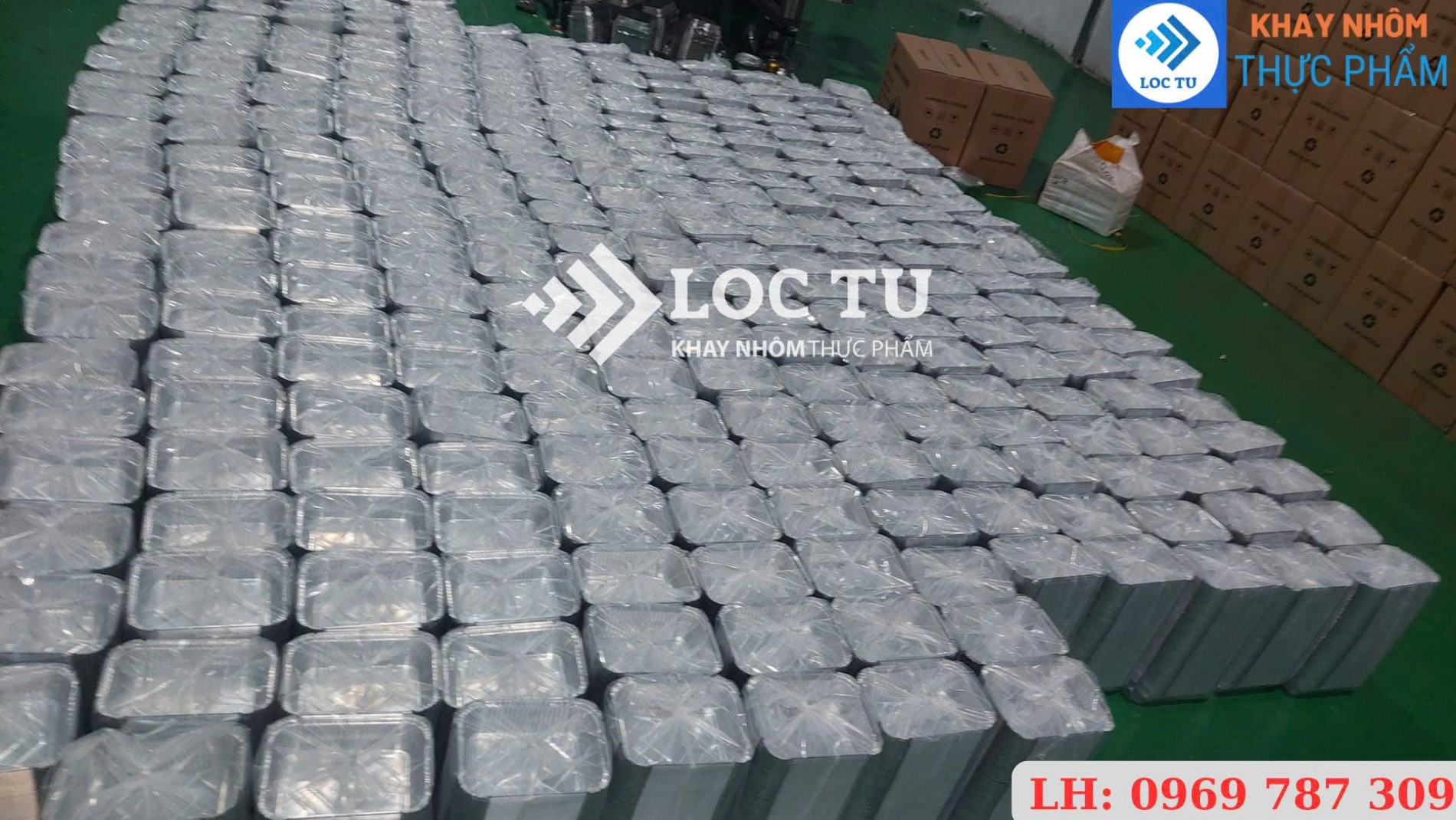
Loc Tu – Trusted Manufacturer of Durable Aluminum Foil Containers and High-Quality, Food-Safe Aluminum Foil Rolls for Your Kitchen
Your Trusted Partner in Food Packaging 📞
📌 LOC TU MANUFACTURING & TRADING CO., LTD
📌 Our Vietnamese Website: Khaynhomthucpham.com
📌 HOTLINE/ZALO: 0969.787.309
📌 Facebook: Aluminum Foil Loc Tu
📌 Youtube: Aluminum Foil Loc Tu
📌 Tik Tok: Aluminum Foil Loc Tu
📌 Instagram: Aluminum Foil Loc Tu
📌 Shopee: Aluminum Foil Loc Tu
📌 Twitter/X: Aluminum Foil Loc Tu
📌 LinkedIn: Aluminum Foil Loc Tu
📌 Pinterest: Aluminum Foil Loc Tu
📌 Tumblr: Aluminum Foil Loc Tu
📌 Threads: Aluminum Foil Loc Tu
📌 Telegram: Aluminum Foil Loc Tu
📌 Whatsapp: 0969.787.309
📌 Branch 1 (Hanoi): No. 1 Pham Tu, Beasky Building, Dai Kim Ward, Hoang Mai District, Hanoi
📌 Branch 2 (Binh Duong): No. 68, DX 051 Street, Group 17, Quarter 4, Phu My Ward, Thu Dau Mot City, Binh Duong Province
📞 Contact us today for expert consultation and the best pricing on premium aluminum trays and foil packaging solutions! 🚀
LOC TU PRODUCTION AND TRADING COMPANY LIMITED
Branch 1 (Binh Duong): No. 68, DX 051 Street, Group 17, Quarter 4, Phu My Ward, Thu Dau Mot City.
Branch 2 (Hanoi): No. 1 Pham Tu, Beasky Building, Dai Kim Ward, Hoang Mai District.
Hotline/Zalo: +84.969787309
Website: Khaynhomthucpham.com
Email: [email protected]

