WRAPPING FOOD WITH ALUMINUM FOIL: A TECHNICAL TO CULINARY EXCELLENCE
WRAPPING FOOD WITH ALUMINUM FOIL: A TECHNICAL GUIDE TO CULINARY EXCELLENCE
(Introduction Title) Beyond a Kitchen Staple: Foil as a High-Performance Culinary Instrument
TABLE OF CONTENTS
Foundational Principles: The Science of Wrapping with Aluminum Foil Material Integrity & Safety: Non-Negotiable Usage Protocols Performance Optimization: The Culinary ROI of Proper Foil Technique Advanced Applications: Integrating Foil into Complex Culinary Workflows Technique Mastery: Selecting the Right Foil for the Mission
1. Foundational Principles: The Science of Wrapping with Aluminum Foil
Deconstructing the thermodynamics of aluminum foil
The "Before" Scenario (Uncovered Roasting): A piece of chicken in an oven is exposed to direct radiant heat from the heating elements and hot air circulating via convection. This can lead to the exterior overcooking and drying out before the interior is fully cooked.The "After" Application (Strategic Foil Tent): By creating a tent of aluminum foil over the chicken, the cook introduces a barrier. This barrier blocks the intense, direct radiant heat. Heat is now transferred more gently to the food primarily through convection (hot air trapped under the tent) and conduction (where the foil might touch the food).The Result: The foil acts as a heat shield, promoting more even cooking. It allows the internal temperature to rise without scorching the surface. The foil can then be removed for the final stage of cooking to allow browning via the Maillard reaction. This demonstrates a transition from a passive cooking process to active heat management.
The key performance attributes of aluminum foil in the kitchen
Attribute - Superior Heat Conduction: Aluminum is an excellent conductor of heat. When used to line a baking sheet, it ensures heat is distributed quickly and evenly across the bottom surface of foods like cookies or roasted vegetables, promoting consistent cooking.Attribute - Impermeable Barrier: Aluminum foil is non-porous. It creates a near-perfect barrier against moisture, air, and aromas. This is critical for retaining moisture in delicate foods (like fish cookeden papillote ) and preventing odor transfer in the refrigerator.Opportunity - Unmatched Formability: Foil's dead-fold characteristic (the ability to be shaped and hold that shape) allows for the creation of custom-sized packets, tents, and seals. This adaptability is unparalleled by other kitchen materials like parchment paper or lids.Opportunity - High-Temperature Tolerance: Unlike plastic wraps or parchment paper (which has a lower smoke point), food-grade aluminum foil is stable at the highest temperatures found in conventional ovens and grills, making it indispensable for high-heat applications.
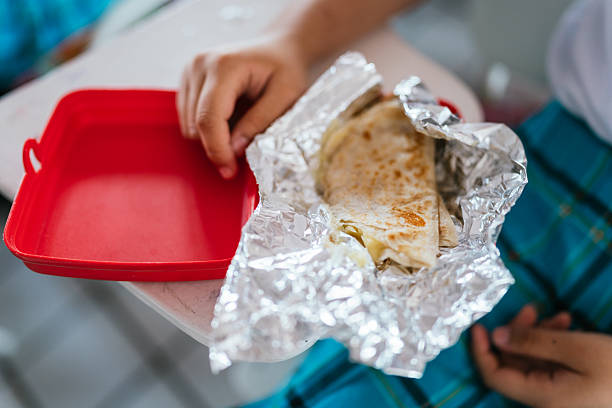
Image Content: A sleek, scientific-style diagram with three icons. Icon 1 shows heat waves (radiation) bouncing off a foil surface. Icon 2 shows arrows depicting hot air flow (convection) being contained by a foil tent. Icon 3 shows a point of contact illustrating heat transfer (conduction).Caption: Mastering aluminum foil is mastering the control of heat in three dimensions.ALT Text: A diagram explaining how aluminum foil controls radiation, convection, and conduction in cooking.
2. Material Integrity & Safety: Non-Negotiable Usage Protocols
Mandatory material and chemical interaction specifications
Material Standard: Always use foil explicitly labeled as "Food Grade" or for "Food Contact." This ensures the aluminum alloy and any coatings used are certified safe for cooking and storage.The Shiny/Dull Myth Debunked: For standard aluminum foil, the difference in shininess is a result of the manufacturing milling process and has no significant impact on cooking performance. However, some specialized non-stick foils have a coating on one side (usually the dull side); in these cases, the manufacturer's instructions are mandatory.Acidic Food Interaction: A CRITICAL PROTOCOL. Do not use aluminum foil for long-term storage or cooking of highly acidic ingredients (e.g., tomato sauce, citrus marinades, rhubarb). The acid can react with the aluminum, causing it to leach small amounts into the food and potentially creating a metallic taste and discoloring the foil. Use glass or ceramic containers for this purpose.
Performance protocol for creating a perfect seal
The Foundation: Use a piece of foil significantly larger than the item being wrapped. For a foil packet, place ingredients in the center of one half of the sheet.The First Fold: Fold the other half of the foil over the ingredients to meet the edges. You now have a semi-circle or rectangle with three open sides.The Crimp: Starting at one end, make a small (approx. ½ inch) fold along the edge. Press down firmly to create a crease.The Double Seal: Fold that same edge over on itself one more time. This creates a double-folded, airtight crimp. Repeat this process for the remaining two sides, pressing out any excess air before making the final seal. The result is a securely locked packet that will trap steam and flavor.
3. Performance Optimization: The Culinary ROI of Proper Foil Technique
Deconstructing the Total Culinary Outcome (TCO)
Branch 1: Positive Outcomes (High ROI from Proper Technique) Flavor: Concentrated, infused flavors from trapped aromatic steam.Texture: Juicy, tender proteins; perfectly steamed vegetables.Efficiency: Faster cleanup (lined pans); less active monitoring needed (stable cooking environment).Consistency: Replicable results every time.
Branch 2: Negative Outcomes (Hidden Costs of Poor Technique) Moisture Loss: Dry, tough results due to a poor seal.Uneven Cooking: Scorched spots and undercooked areas from improper tenting.Flavor Contamination: Metallic taste from a reaction with acidic foods.Wasted Potential: Steaming food (e.g., potatoes) when you intended to roast, resulting in a soggy texture.
How superior foil technique delivers a high culinary ROI
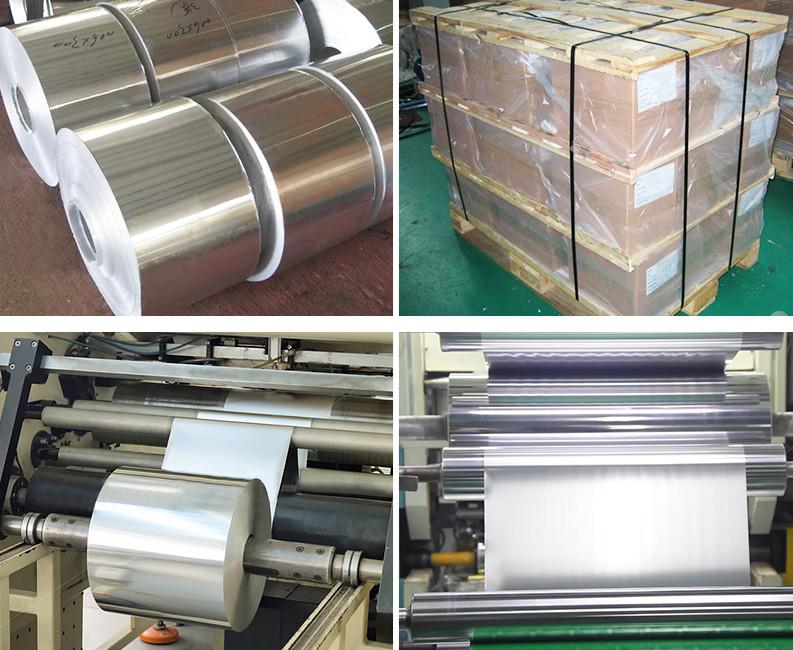
Image Content: A professional side-by-side comparison shot. On the left, a dried-out piece of salmon on an open, discolored piece of foil. On the right, a perfectly moist, flaky piece of salmon being revealed from a cleanly sealed foil packet, with a puff of steam rising.Caption: A visual analysis of Total Culinary Outcome: the difference between amateur wrapping and professional technique.ALT Text: A comparison chart showing the superior culinary ROI of using proper aluminum foil wrapping techniques.
4. Advanced Applications: Integrating Foil into Complex Culinary Workflows
Integrating foil for a 'cook, store, and reheat' seamless workflow
Traditional Model: Involved multiple vessels and steps. A large batch of lasagna would be cooked in a ceramic dish, then portioned into separate plastic containers for storage, and finally transferred to a microwave-safe plate for reheating. This created multiple points of failure (spills, cleaning) and often resulted in poor reheating quality.Integrated Foil Model: The workflow is streamlined into a single vessel. Individual portions of lasagna are assembled directly into oven-safe aluminum foil containers.Cooking: The containers go directly into the oven to be baked.Storing: Once cooled, they are covered with foil lids or wrap and stored in the fridge/freezer.Reheating: The same container can be placed directly back into the oven for superior reheating (compared to a microwave).This creates a highly efficient, single-vessel workflow from assembly to consumption.
Using foil to create modular cooking systems
The "Custom Grill Packet" Module: Components: (1) A sheet of heavy-duty aluminum foil + (2) A protein (e.g., shrimp, cubed chicken) + (3) Quick-cooking vegetables (e.g., bell peppers, zucchini) + (4) A fat/flavoring (e.g., compound butter, olive oil & herbs).Application: Assemble different combinations of the components into tightly sealed packets. This allows multiple, distinct "dishes" to be cooked simultaneously on the same grill, each in its own self-contained sauce and steam environment. It provides massive customization with minimal cleanup.
The "Resting Tent" Module: Components: (1) A freshly roasted large cut of meat (e.g., prime rib, turkey) + (2) A loose tent of aluminum foil.Application: After removing a roast from the oven, it must rest to allow the juices to redistribute. Covering it tightly will cause it to continue cooking and steam the crust. By creating a loose tent with foil, you trap just enough residual heat to keep the meat warm while allowing steam to escape, thus preserving the perfectly developed crust.
5. Technique Mastery: Selecting the Right Foil for the Mission
Vetting the application: standard-duty vs. heavy-duty foil
Argument A (The Generalist): "Foil is foil. I'll just buy the standard one for everything. It's cheaper and I can just use two layers if I need it to be stronger."Argument B (The Specialist/Strategist): "False economy. Using two layers is inefficient and can create air gaps that compromise the seal. Standard-duty is perfect for covering dishes or wrapping a sandwich, but it will tear when wrapping a bone-in roast or making a large, heavy grill packet. Heavy-duty foil provides the necessary tensile strength and puncture resistance for high-stress applications, ensuring a single, perfect seal and preventing disastrous leaks over hot coals. The right foil for the mission is not a cost; it's insurance against failure."
The foil selection & application matrix
Mission: Covering a Casserole/Pie Challenge: Prevent over-browning while allowing some steam to escape.Recommended Tool: Standard-Duty Foil. Application: Lay a sheet loosely over the top. No tight seal needed.
Mission: Wrapping Sandwiches/Leftovers Challenge: Basic protection, odor barrier.Recommended Tool: Standard-Duty Foil. Application: A simple, direct wrap.
Mission: Making Individual Grill/Oven Packets Challenge: Must be puncture-resistant, hold a tight seal under steam pressure.Recommended Tool: Heavy-Duty Foil. Application: Use the double-crimp sealing protocol.
Mission: Lining a Grill Grate or Roasting Pan for Heavy Items Challenge: High heat, direct flame contact, potential punctures from bones or grates.Recommended Tool: Heavy-Duty Foil. Application: Press firmly into the contours of the pan or lay flat on the grill.
Mission: Delicate Steaming (e.g., Fish en Papillote )Challenge: Requires a perfect seal but needs to be handled gently.Recommended Tool: Standard-Duty or Non-Stick Foil. Application: Focus on a flawless double-crimp seal. Non-stick variety is ideal if the fish has skin.
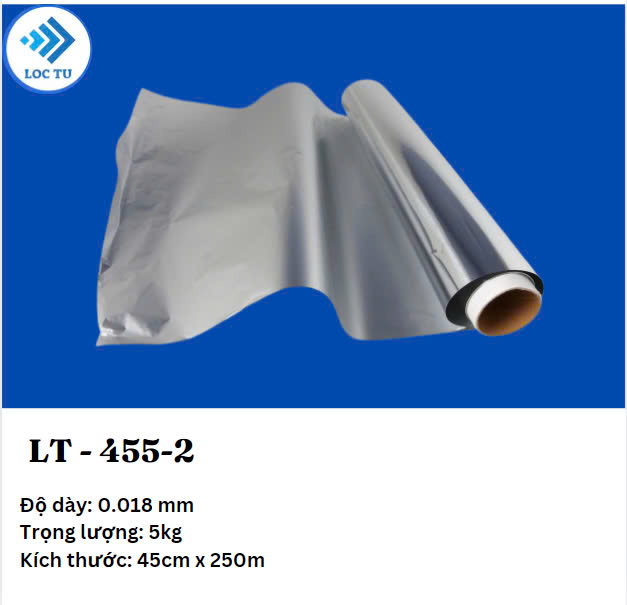
Image Content: A professional, split-image shot. The left side shows a roll of standard-duty foil next to a neatly wrapped sandwich. The right side shows a thick roll of heavy-duty foil next to a robust, fully-loaded foil packet ready for the grill.Caption: Strategic tool selection: matching the foil's specification to the culinary mission is a hallmark of an expert.ALT Text: A depiction of the selection matrix, comparing standard and heavy-duty aluminum foil for different culinary tasks.
(Conclusion Title) Aluminum Foil: From Kitchen Drawer to Strategic Culinary Asset
Loc Tu: Pioneering Excellence in Premium Aluminum Packaging Solutions
Why You Must Choose Loc Tu?
✅ Assured Quality & Safety: Crafted from premium, food-grade aluminum, free from harmful impurities, meeting international safety benchmarks.
🔥 Optimal Thermal Properties: Ensures even cooking and excellent heat retention, preserving food temperature and taste effectively.
💪 Durable & Convenient Design: Engineered to resist leaks and dents, providing reliable performance for baking, storage, and transport.
🔄 Versatile Solutions: Our extensive range caters to various applications – from baking and steaming to storing fresh food and takeaway meals.
🌱 Eco-Conscious Packaging: Made from 100% recyclable aluminum, supporting sustainability and reducing plastic waste.
🎯 Brand Enhancement: Optional custom printing available to personalize products and boost your brand visibility.
🚚 Reliable Supply & Delivery: Capable of handling large orders with dependable, on-schedule nationwide shipping.
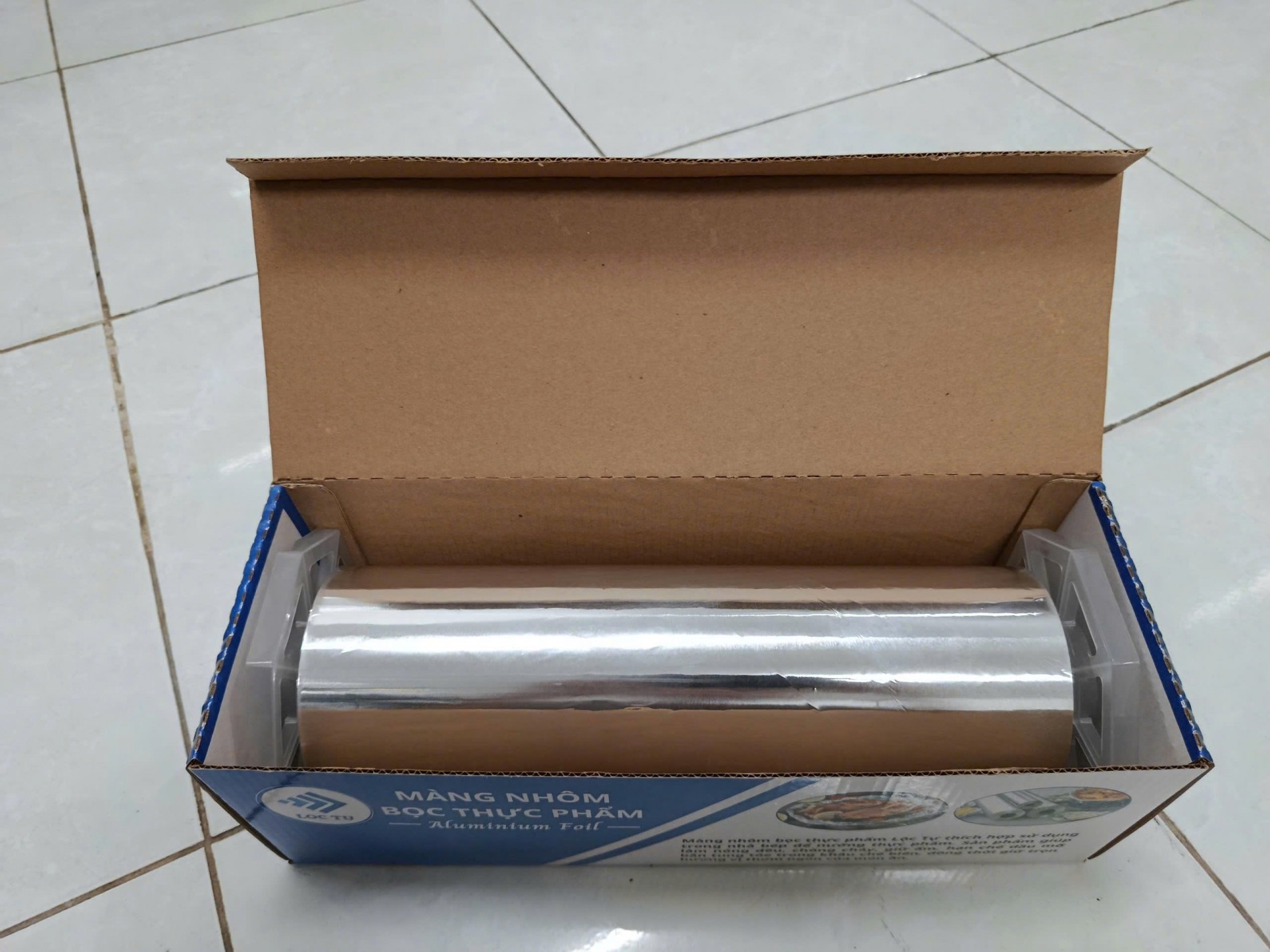
Loc Tu – Trusted Manufacturer of Durable Aluminum Foil Containers and High-Quality, Food-Safe Aluminum Foil Rolls for Your Kitchen
Your Trusted Partner in Food Packaging 📞
📌 LOC TU MANUFACTURING & TRADING CO., LTD
📌 Our Vietnamese Website: Khaynhomthucpham.com
📌 HOTLINE/ZALO: 0969.787.309
📌 Facebook: Aluminum Foil Loc Tu
📌 Youtube: Aluminum Foil Loc Tu
📌 Tik Tok: Aluminum Foil Loc Tu
📌 Instagram: Aluminum Foil Loc Tu
📌 Shopee: Aluminum Foil Loc Tu
📌 Twitter/X: Aluminum Foil Loc Tu
📌 LinkedIn: Aluminum Foil Loc Tu
📌 Pinterest: Aluminum Foil Loc Tu
📌 Tumblr: Aluminum Foil Loc Tu
📌 Threads: Aluminum Foil Loc Tu
📌 Telegram: Aluminum Foil Loc Tu
📌 Whatsapp: 0969.787.309
📌 Branch 1 (Hanoi): No. 1 Pham Tu, Beasky Building, Dai Kim Ward, Hoang Mai District, Hanoi
📌 Branch 2 (Binh Duong): No. 68, DX 051 Street, Group 17, Quarter 4, Phu My Ward, Thu Dau Mot City, Binh Duong Province
📞 Contact us today for expert consultation and the best pricing on premium aluminum trays and foil packaging solutions! 🚀
LOC TU PRODUCTION AND TRADING COMPANY LIMITED
Branch 1 (Binh Duong): No. 68, DX 051 Street, Group 17, Quarter 4, Phu My Ward, Thu Dau Mot City.
Branch 2 (Hanoi): No. 1 Pham Tu, Beasky Building, Dai Kim Ward, Hoang Mai District.
Hotline/Zalo: +84.969787309
Website: Khaynhomthucpham.com
Email: [email protected]

